The World AeroPress Championship Recipe (And Why It Works)
World-champion recipes look weird. Here's one that produces an incredible cup and the science behind each strange step.
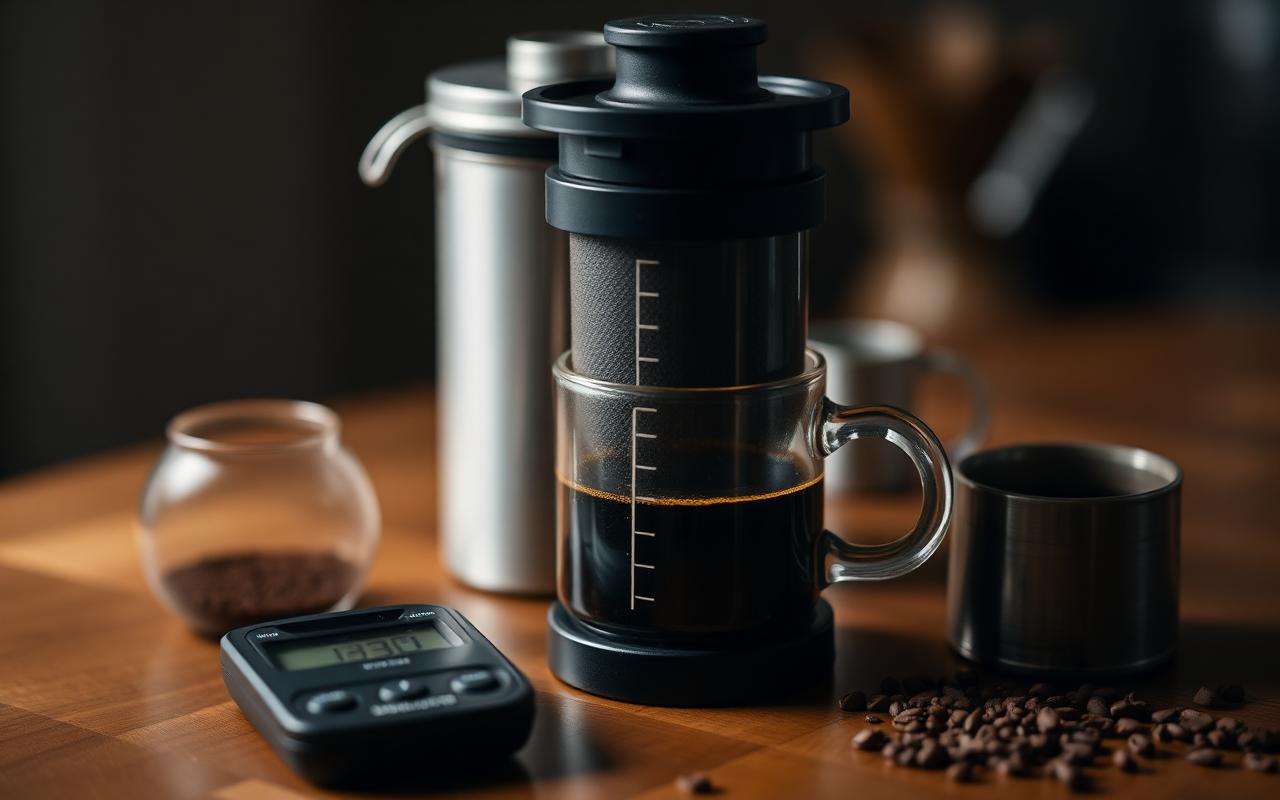
18 grams of medium-fine coffee, 200 grams of water at 185 degrees Fahrenheit. Invert, pour, stir at 15 seconds. Cap and steep until 1:30, then flip and press slowly over 30 seconds.
Why 185°F
Low temperature protects delicate florals and prevents any harsh bitterness. AeroPress's pressure and immersion make up for the lower extraction rate you'd expect.
The takeaway
Championship recipes work because they treat AeroPress as its own method, not a shrunken pour over. Cooler water plus finer grind plus longer steep equals a distinctive, sweet, complex cup.
Going deeper
The recipe alone won't get you there. What matters is understanding which variable to move when the cup isn't tasting like it should, and this guide walks through exactly that.
Grind and steep timing
For a bright, tea-like cup, grind medium-fine and steep 1:30 to 2:00. For a heavier, syrupy cup closer to espresso concentrate, go finer and steep 45 seconds to 1:15. Then dilute the concentrate with hot water to your preferred strength.
Why it travels so well
The AeroPress weighs almost nothing, requires no glass, and cleans in ten seconds by popping the puck into the trash. Pair it with a hand grinder and a small kettle and you have a full brewing setup that fits in a backpack. It's the reason it dominates hotel rooms and campsites for people who care about their coffee.
Standard versus inverted
Standard method is faster and less messy. Inverted (upside-down) method gives you full immersion control and is preferred by most competition recipes. Neither is objectively better — inverted just gives you more variables to play with.
Pressing pressure
Press slowly and steadily — 30 seconds is a good target. If you feel resistance, stop and let it settle, then continue. Jamming the plunger forces water through channels and makes the cup harsh. When you hear the hiss at the bottom, stop pressing; anything past that is just bitter finish.
Common mistakes to avoid
The fastest way to improve is to stop doing the wrong thing. In order of frequency: using stale coffee, skipping the scale, running the water too cool, and changing multiple variables at once. Fix those four and you're brewing better than 90 percent of home setups.
Final thoughts
Coffee at this level rewards attention, not spending. A modest setup used consistently beats an expensive setup used carelessly, every time. Give any technique two weeks of daily practice before deciding whether it works for you — palate takes longer to train than muscle memory.
Home barista, gear nerd, and contributing writer at Brew Coffee Better.
Related articles
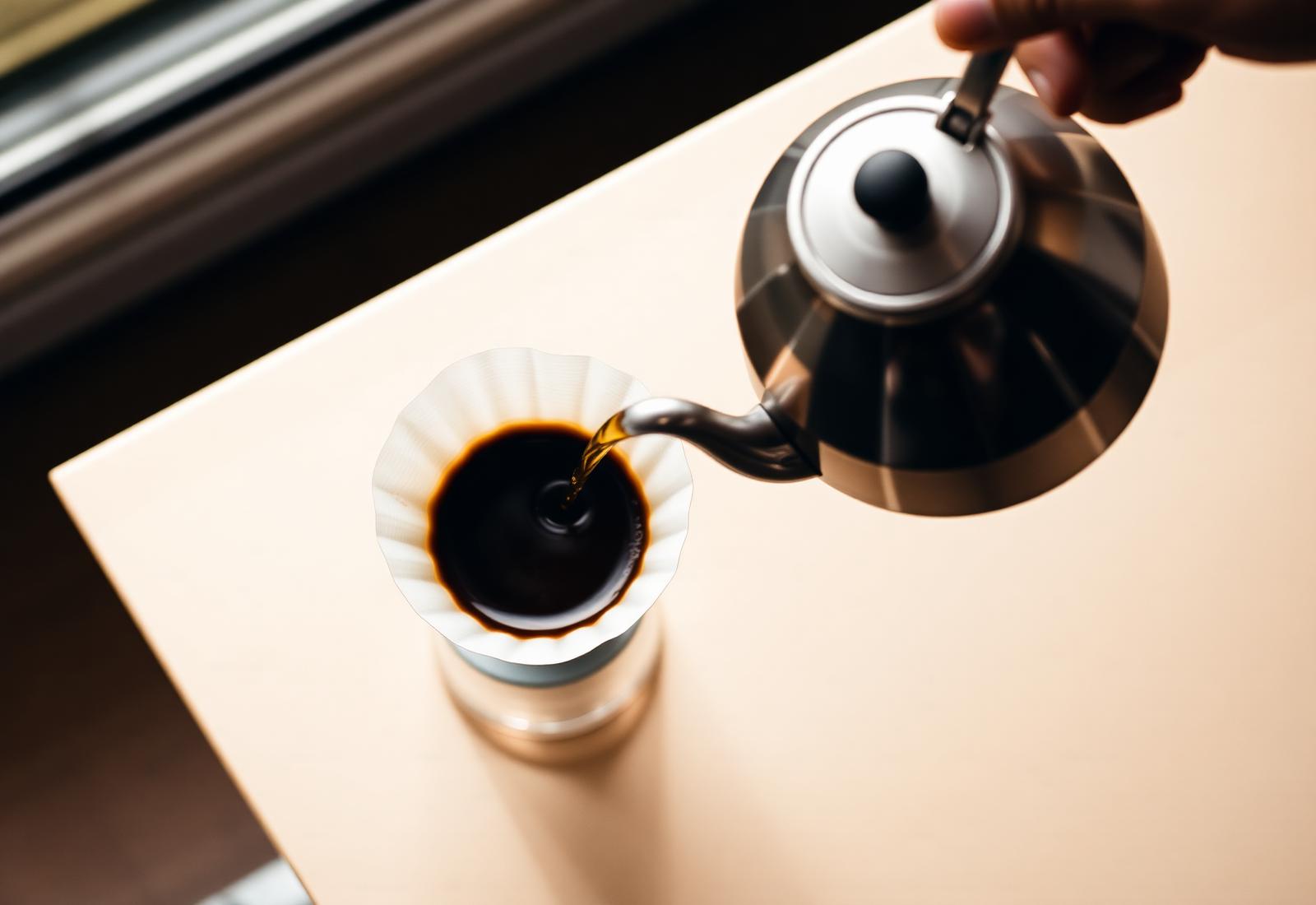
How to Brew the Perfect Pour Over Coffee
A step-by-step guide to nailing a clean, sweet pour over — from bloom to final pour.
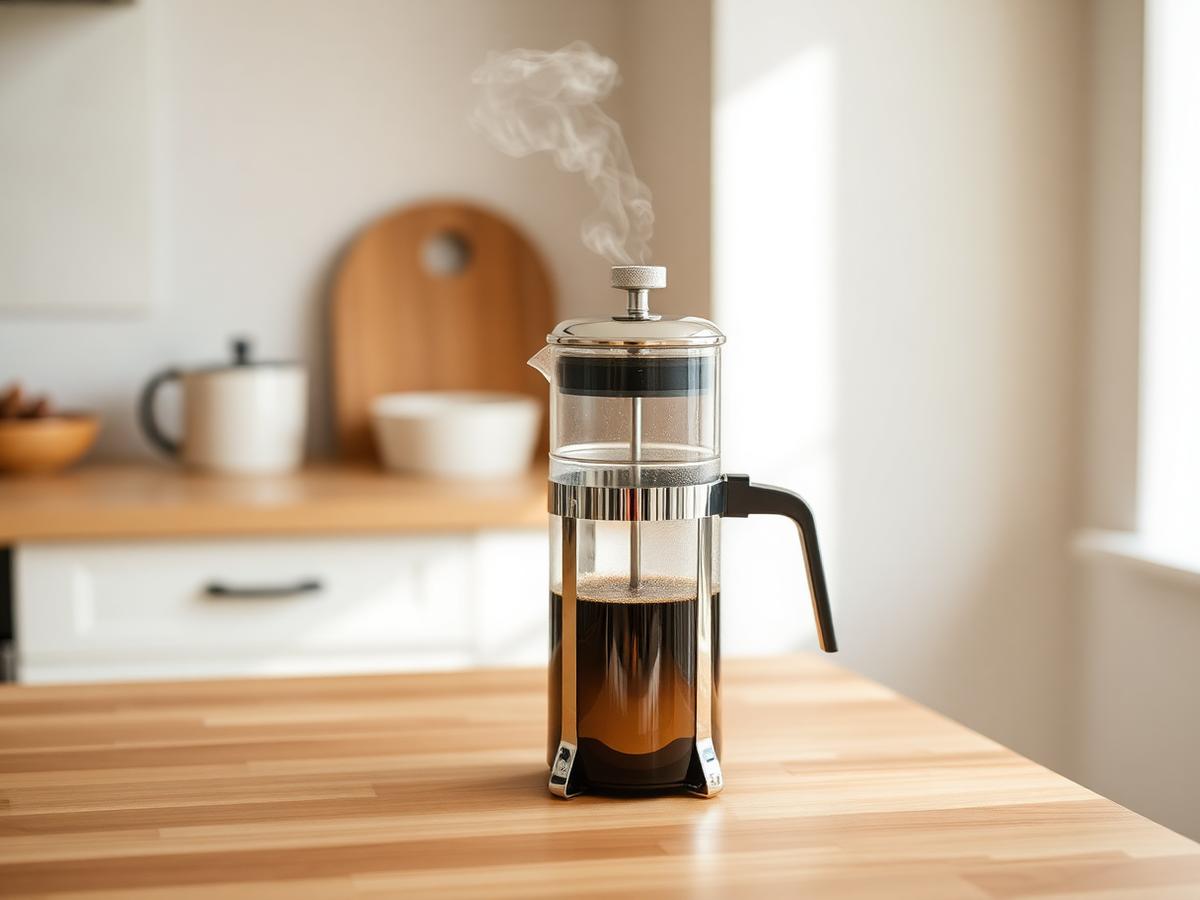
French Press vs AeroPress: Which Should You Buy?
Two icons of home brewing, two very different cups. Here's how to choose.
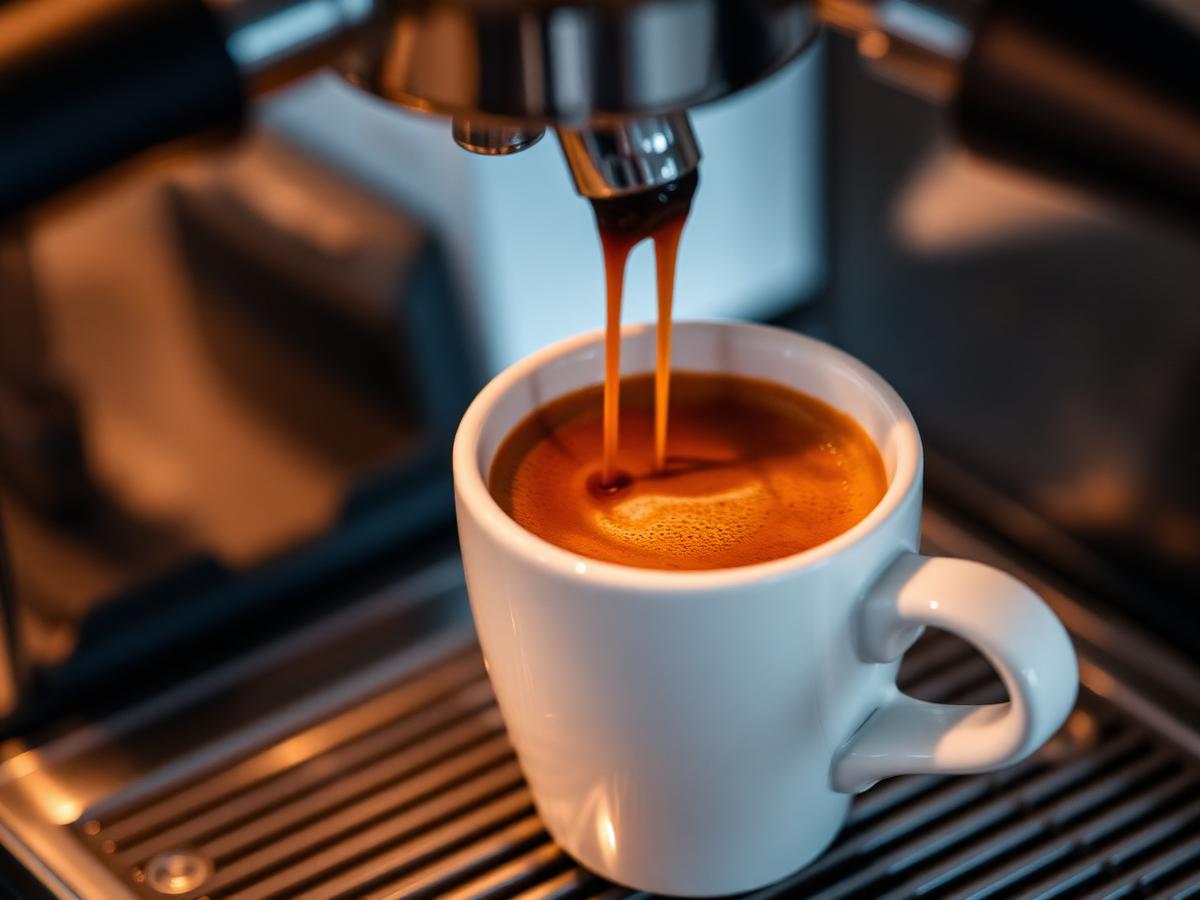
Best Coffee Beans for Espresso in 2026
Six roasters delivering chocolatey, syrupy shots that pull beautifully at home.