Best Coffee Beans for Espresso in 2026
Six roasters delivering chocolatey, syrupy shots that pull beautifully at home.
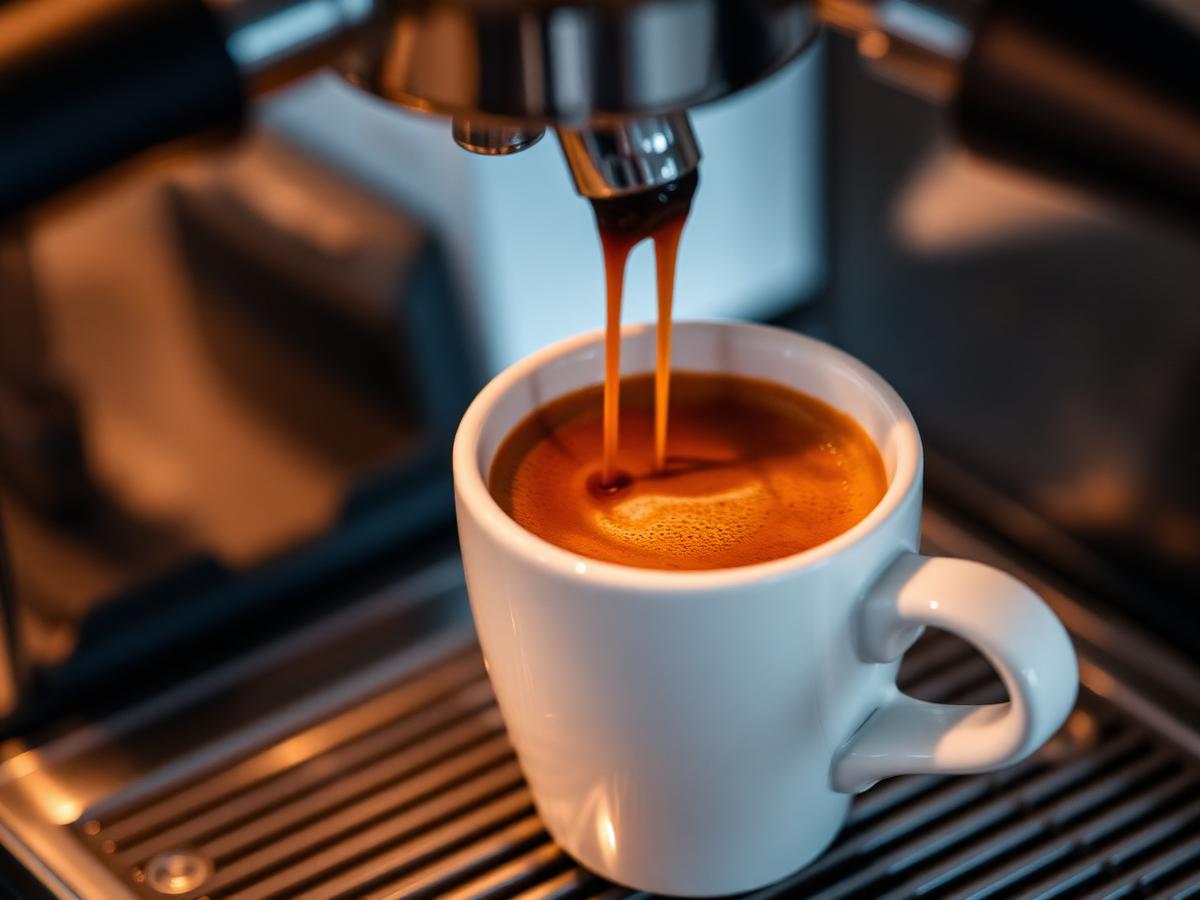
Espresso amplifies every nuance — and every flaw — in a bean. Picking the right roast for your machine is as important as dialing in your grinder. After pulling several hundred shots across six roasters this spring, these are the bags I keep coming back to.
What makes a great espresso bean
Espresso rewards specific bean traits:
- Roast level between medium and medium-dark. Very light roasts pull sour and thin; very dark roasts pull ashy.
- Rested at least 10 days off roast, ideally 14 to 21. Fresh beans off-gas CO2 and channel wildly.
- Some development in the body. Naturals and honey processes tend to bring the syrupy sweetness espresso is famous for.
Skip anything labeled "espresso roast" with no roast date. Freshness matters more than the word on the bag.
Our top picks
### 1. Onyx Coffee Lab — Southern Weather
A perennial favorite. Chocolate, orange zest, brown sugar. Pulls forgivingly across a wide grind range and holds up in milk drinks without turning muddy.
### 2. Sey Coffee — Ethiopia Chelbesa Natural
For light-roast espresso drinkers. Vibrant, floral, jammy — the kind of shot that reminds you espresso can be more than "strong coffee." Requires a good grinder to shine.
### 3. Prodigal Coffee — House Blend
Deeply developed without being burnt. Dark chocolate, hazelnut, caramel. This is the bag I hand to anyone learning espresso — it forgives grind errors that would ruin a lighter roast.
### 4. Passenger Coffee — Panama Elida Natural
A splurge, but worth it once a month. Blueberry, red wine, cocoa. Best drunk straight as a shot, no milk.
### 5. Black & White Coffee Roasters — Classic Espresso
Consistent bag to bag, batch to batch. Reliable, sweet, syrupy. My default when I run out of favorites.
### 6. Heart Coffee — Stereo Blend
Balanced, versatile, holds up in a latte. Great value at the price point.
How to store espresso beans at home
- Keep beans in the original valve bag, sealed with a clip, in a dark cabinet.
- Do not refrigerate. Do not freeze open bags.
- Buy in quantities you can drink within four weeks of the roast date.
Grind fresh, weigh every shot, and taste critically. The best bean in the world can't survive stale storage or an inconsistent grinder.
Going deeper
The recipe alone won't get you there. What matters is understanding which variable to move when the cup isn't tasting like it should, and this guide walks through exactly that.
Storage that actually works
Airtight, opaque, room temperature. That's it. Do not freeze your daily beans — condensation is worse than air exposure. If you're storing long-term (over a month), portion into single-brew bags, vacuum seal, and freeze whole. Thaw the whole bag before opening to avoid moisture.
Roast date beats roast level
A bag with no roast date isn't fresh — full stop. Coffee peaks between 7 and 21 days off roast. Before day 7, it's still degassing and tastes flat and gassy. After 30 days, aromatics fade and the cup goes stale. Buy 12-ounce bags you'll finish inside three weeks.
Origin, process, and what they mean
Origin tells you where the coffee grew — country, region, and often the specific farm. Process is how the fruit was removed from the seed: washed (clean, bright), natural (fruity, wine-like), honey (somewhere in between). Both matter more than roast level in shaping what you taste.
Blends versus single origins
Single origins showcase a specific place and process — great for exploration. Blends are engineered for consistency and a target flavor profile, usually across the year as crops change. Neither is better; they just serve different jobs. For espresso especially, a good blend often outperforms a single origin because it can carry milk more forgivingly.
Common mistakes to avoid
The fastest way to improve is to stop doing the wrong thing. In order of frequency: using stale coffee, skipping the scale, running the water too cool, and changing multiple variables at once. Fix those four and you're brewing better than 90 percent of home setups.
Final thoughts
Coffee at this level rewards attention, not spending. A modest setup used consistently beats an expensive setup used carelessly, every time. Give any technique two weeks of daily practice before deciding whether it works for you — palate takes longer to train than muscle memory.
Home barista, gear nerd, and contributing writer at Brew Coffee Better.
Related articles
How to Brew the Perfect Pour Over Coffee
A step-by-step guide to nailing a clean, sweet pour over — from bloom to final pour.
French Press vs AeroPress: Which Should You Buy?
Two icons of home brewing, two very different cups. Here's how to choose.
Cold Brew Recipe for Beginners
Smooth, low-acid, ridiculously easy. The only cold brew recipe you'll ever need.