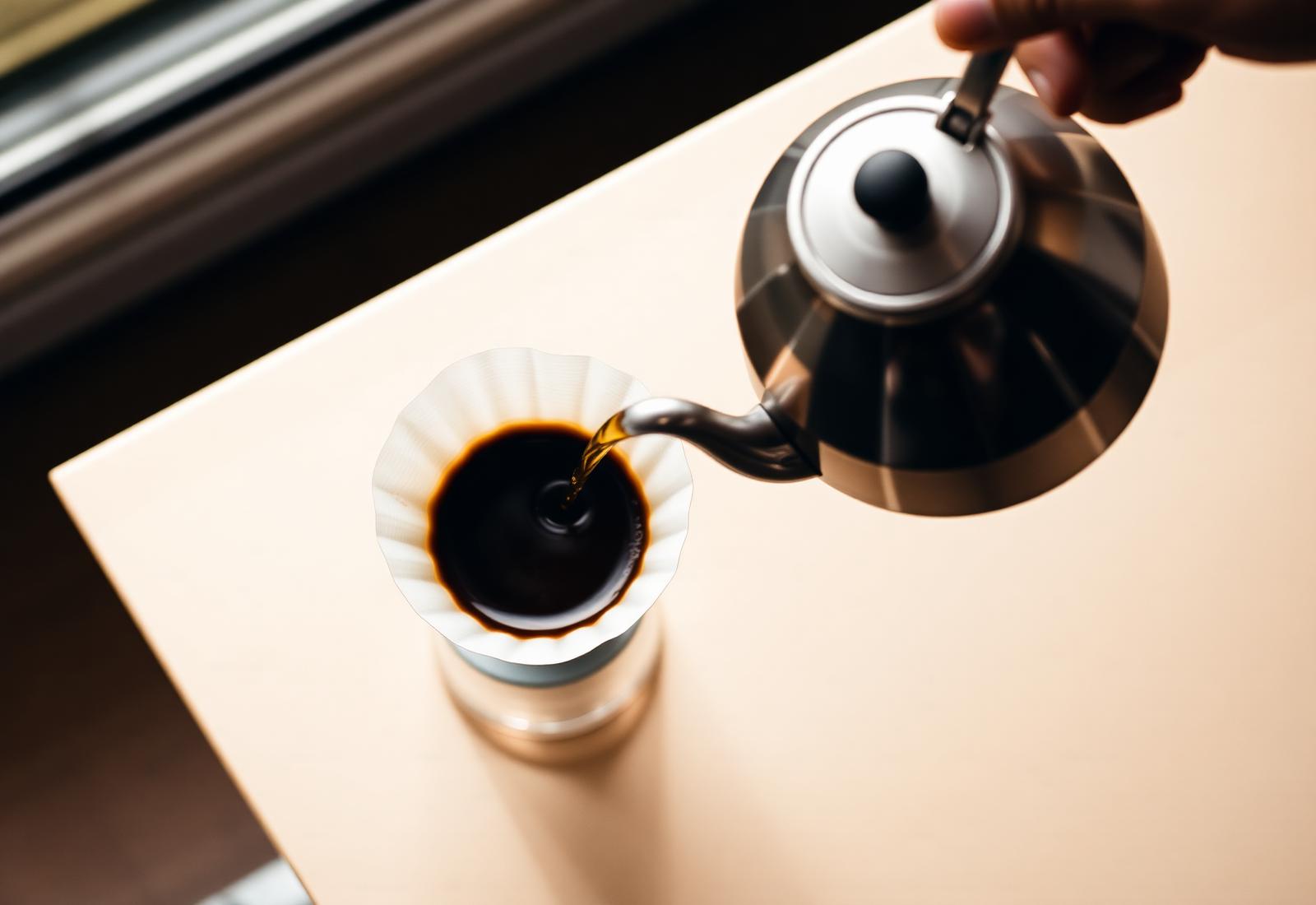
Pour Over
How to Brew the Perfect Pour Over Coffee
A step-by-step guide to nailing a clean, sweet pour over — from bloom to final pour.
By Maya ChenRead more →
Step-by-step recipes and techniques to dial in every brew method, from your first pour-over to perfectly extracted espresso.
A step-by-step guide to nailing a clean, sweet pour over — from bloom to final pour.
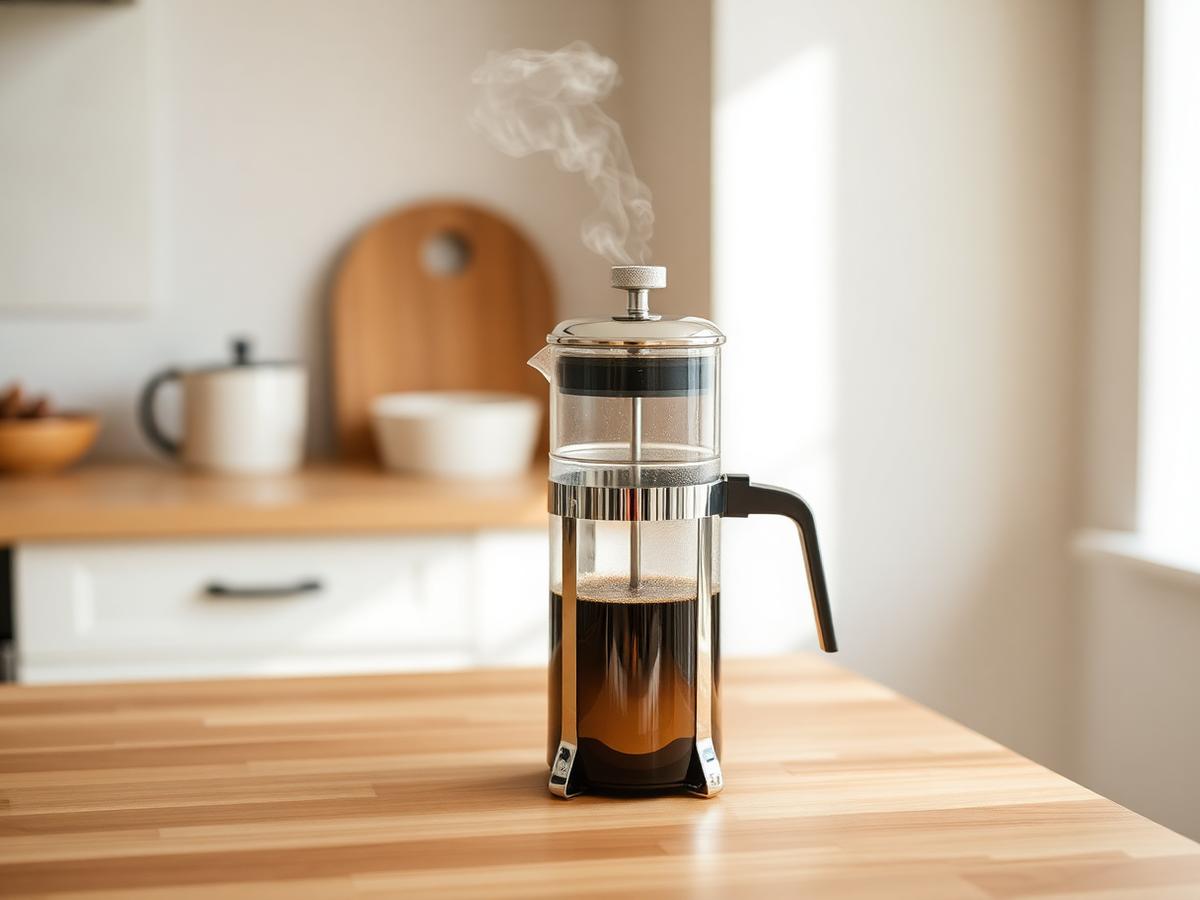
Two icons of home brewing, two very different cups. Here's how to choose.
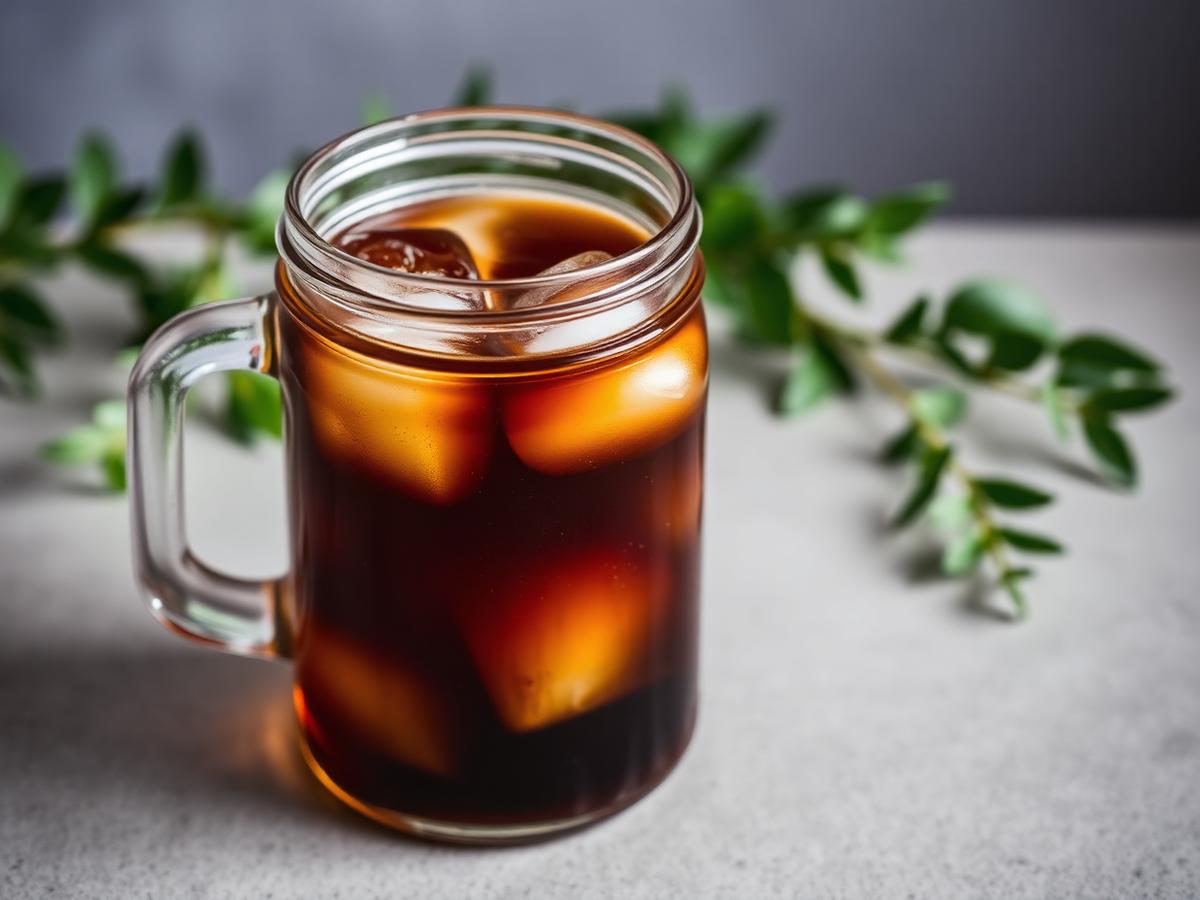
Smooth, low-acid, ridiculously easy. The only cold brew recipe you'll ever need.
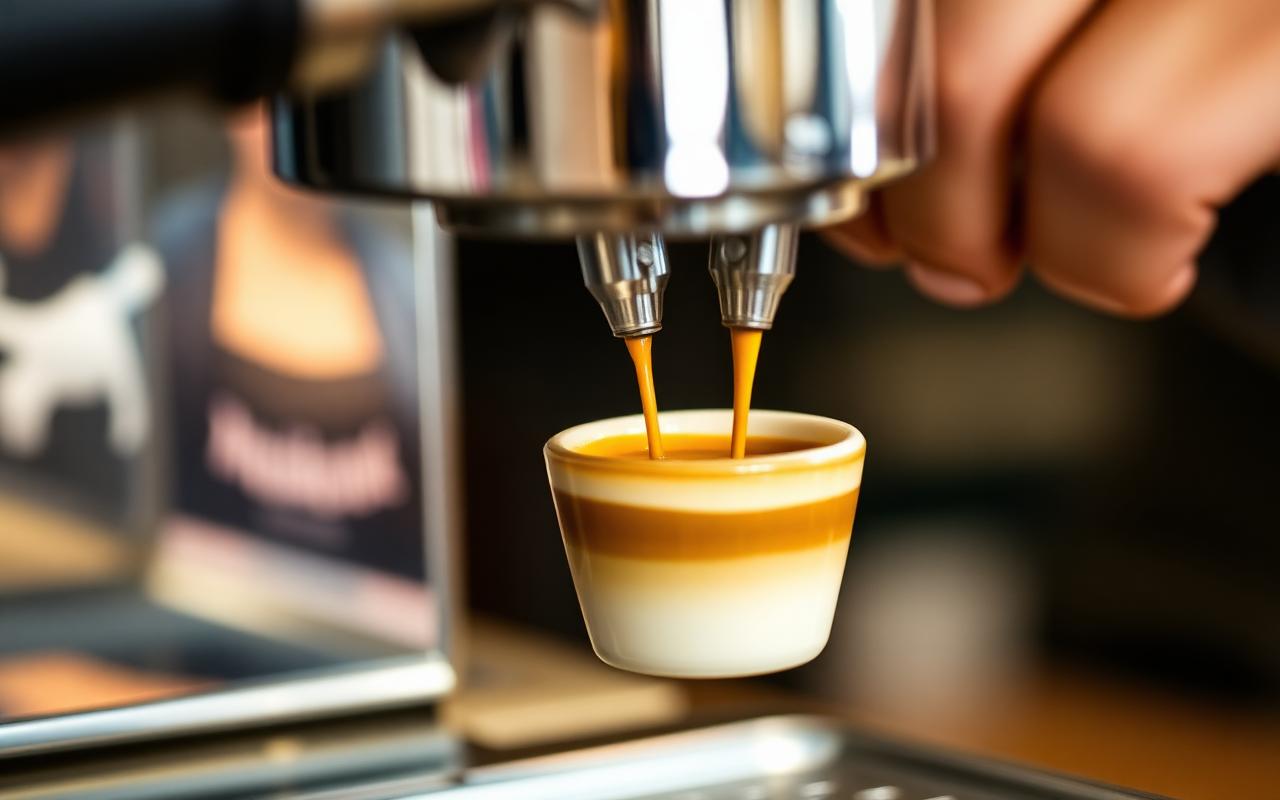
Channeling, gushing, sour, bitter — every espresso problem and how to fix it.
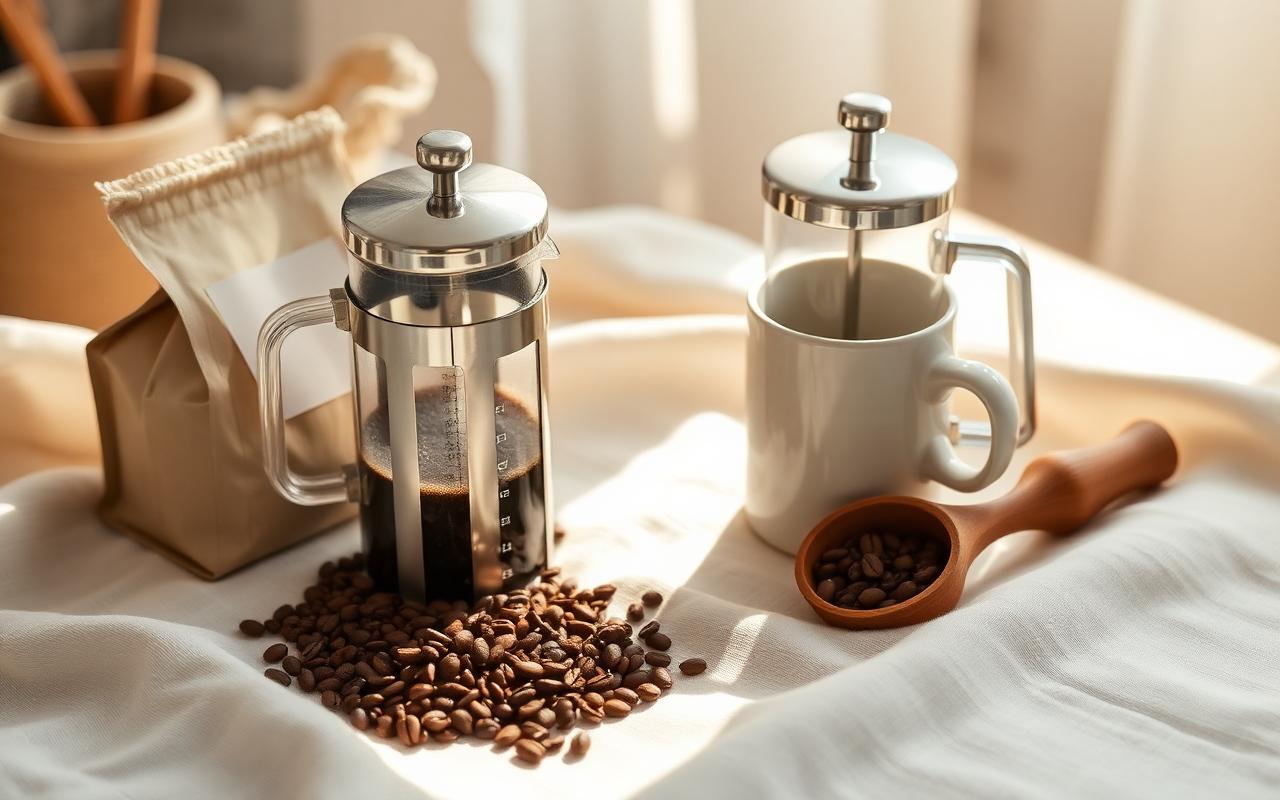
Start here. Everything you need to make great coffee at home, with no jargon.
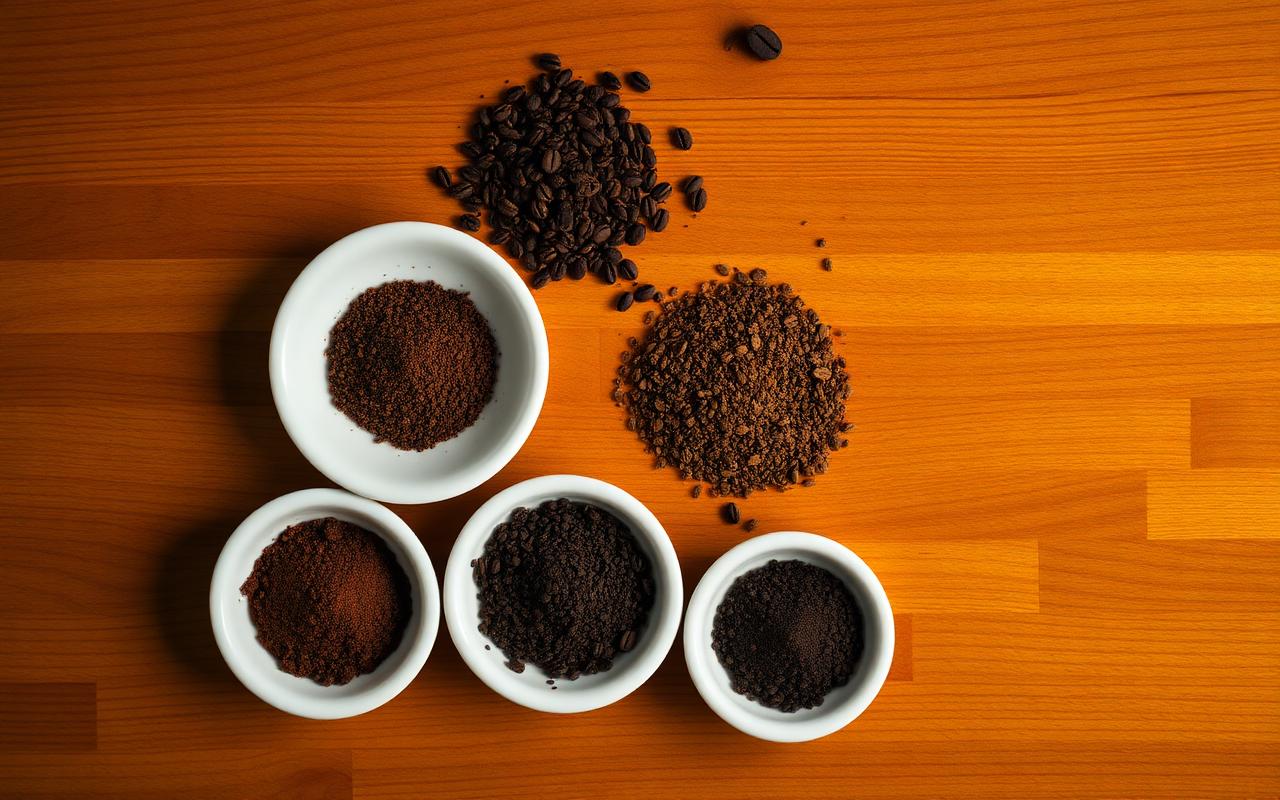
From Turkish dust to French press boulders — the visual chart bookmarked by every barista.
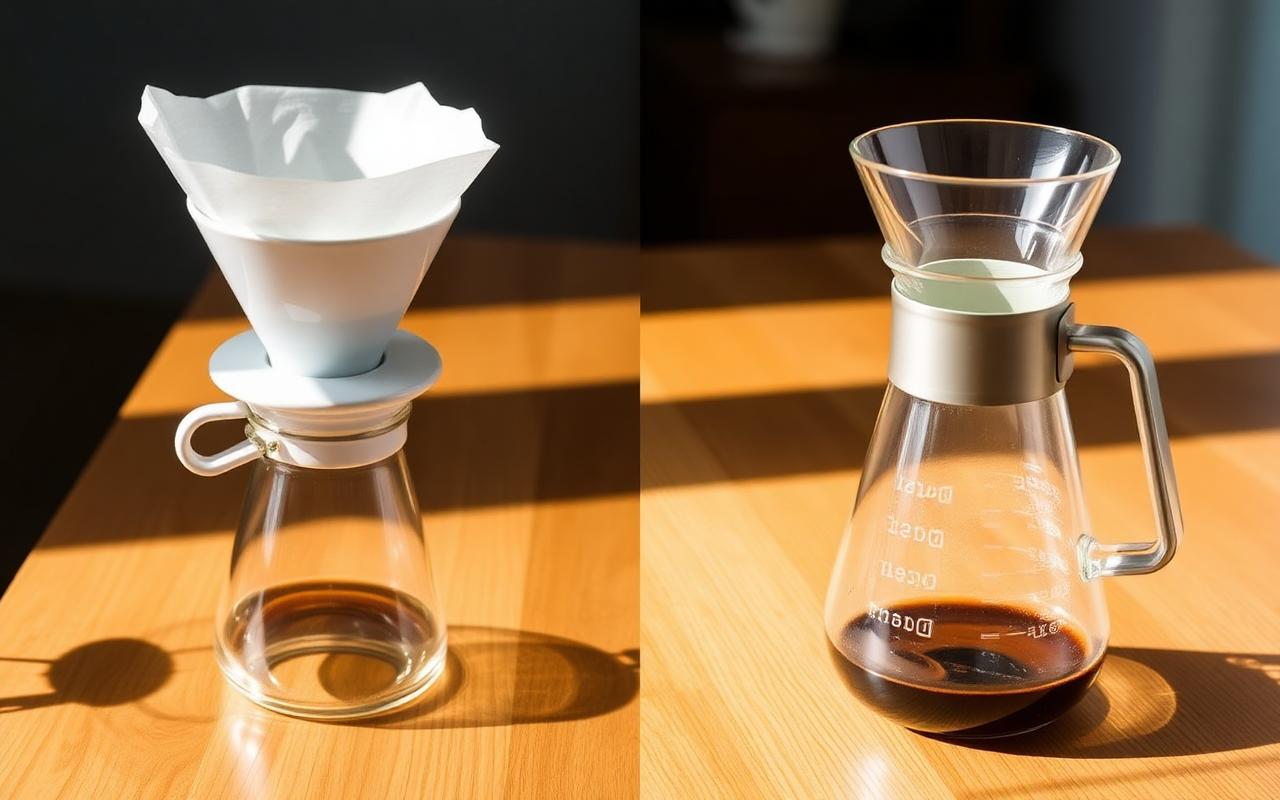
Two icons, two very different cups. Here's how to choose between the V60 and the Chemex based on how you actually drink coffee.
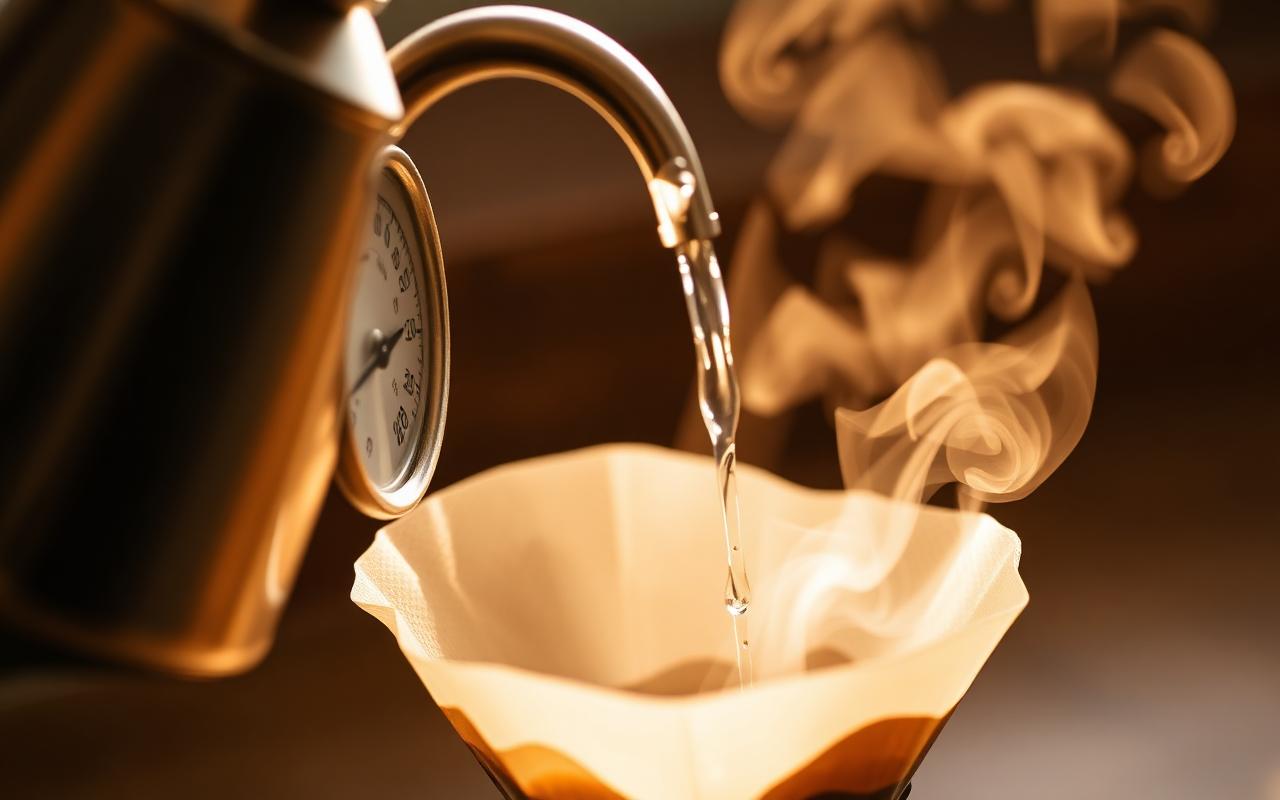
Why brewing temperature is the fastest way to fix a sour or bitter pour over — and the exact range to aim for.
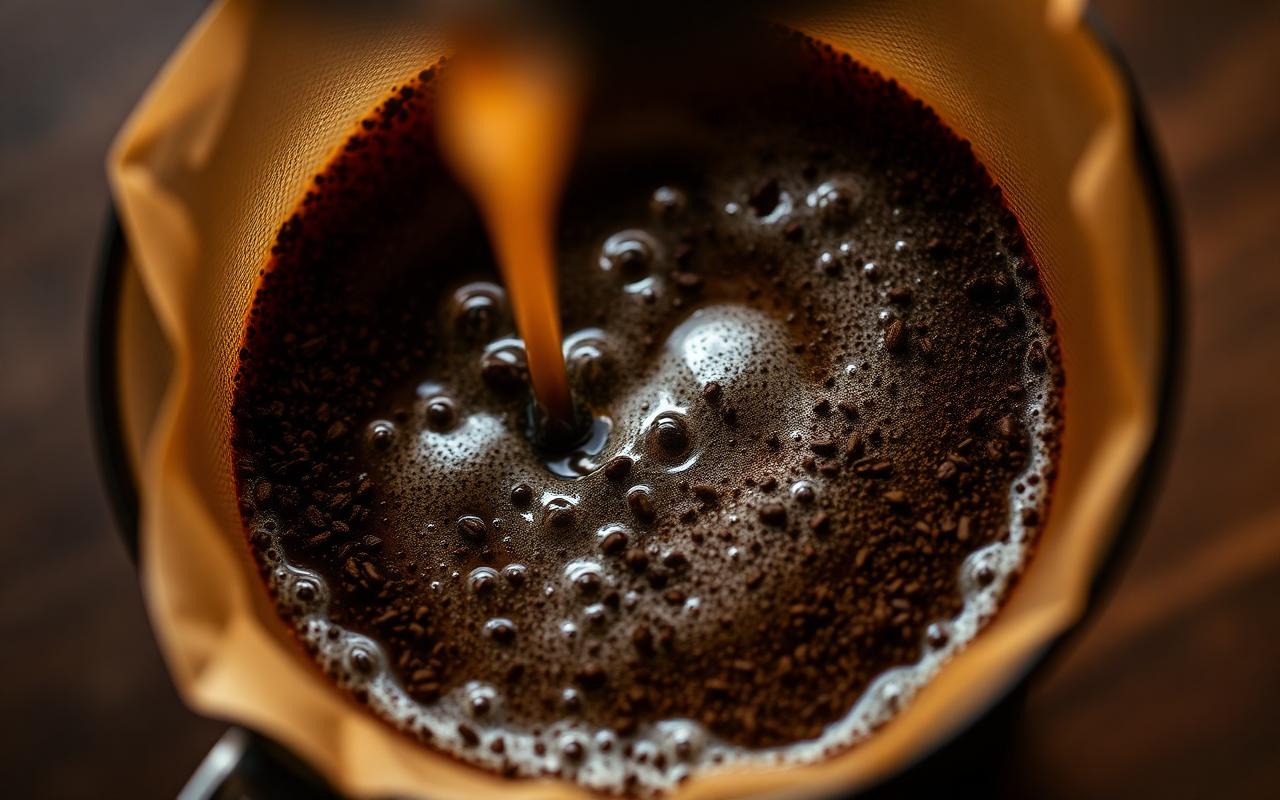
The bloom is the most overlooked step in pour over. Get it right and the rest of the brew almost takes care of itself.
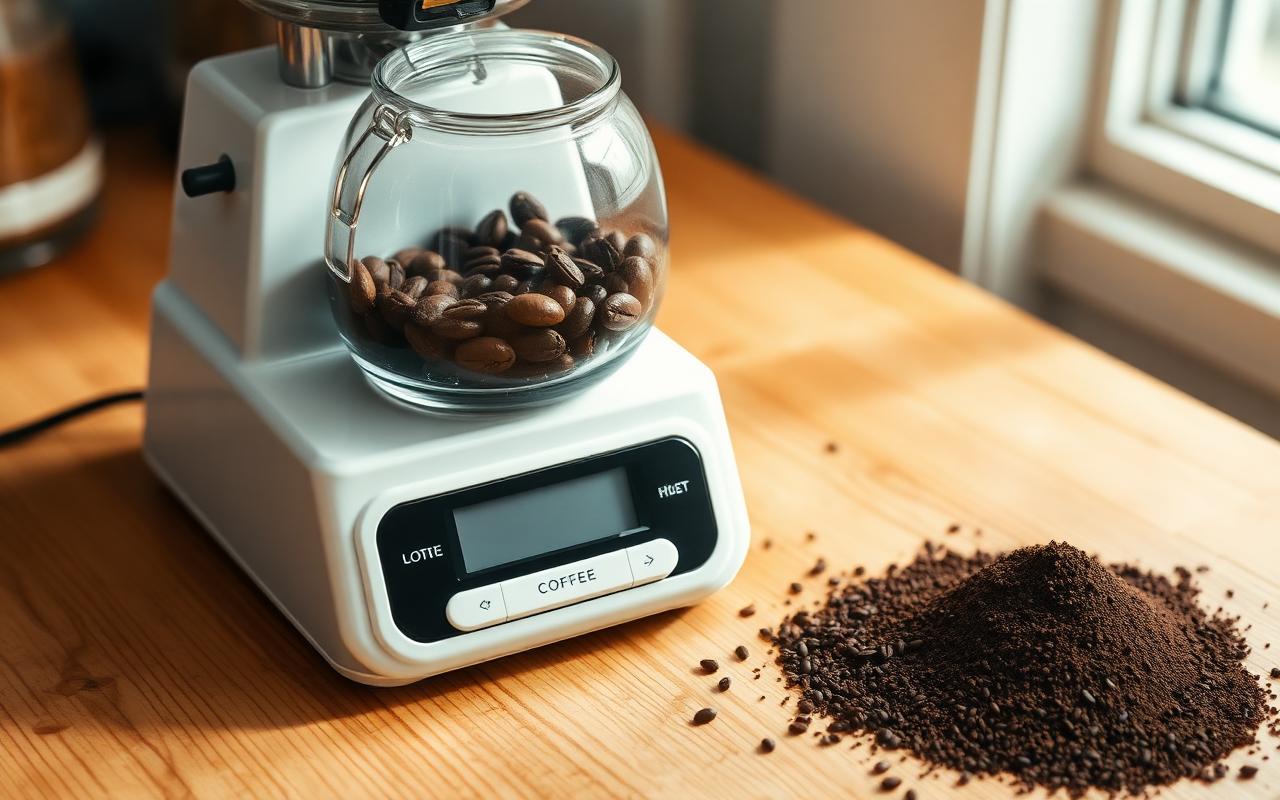
Ratios sound like math homework, but they're just the dial you turn to make your coffee weaker or stronger. Here's the honest guide.
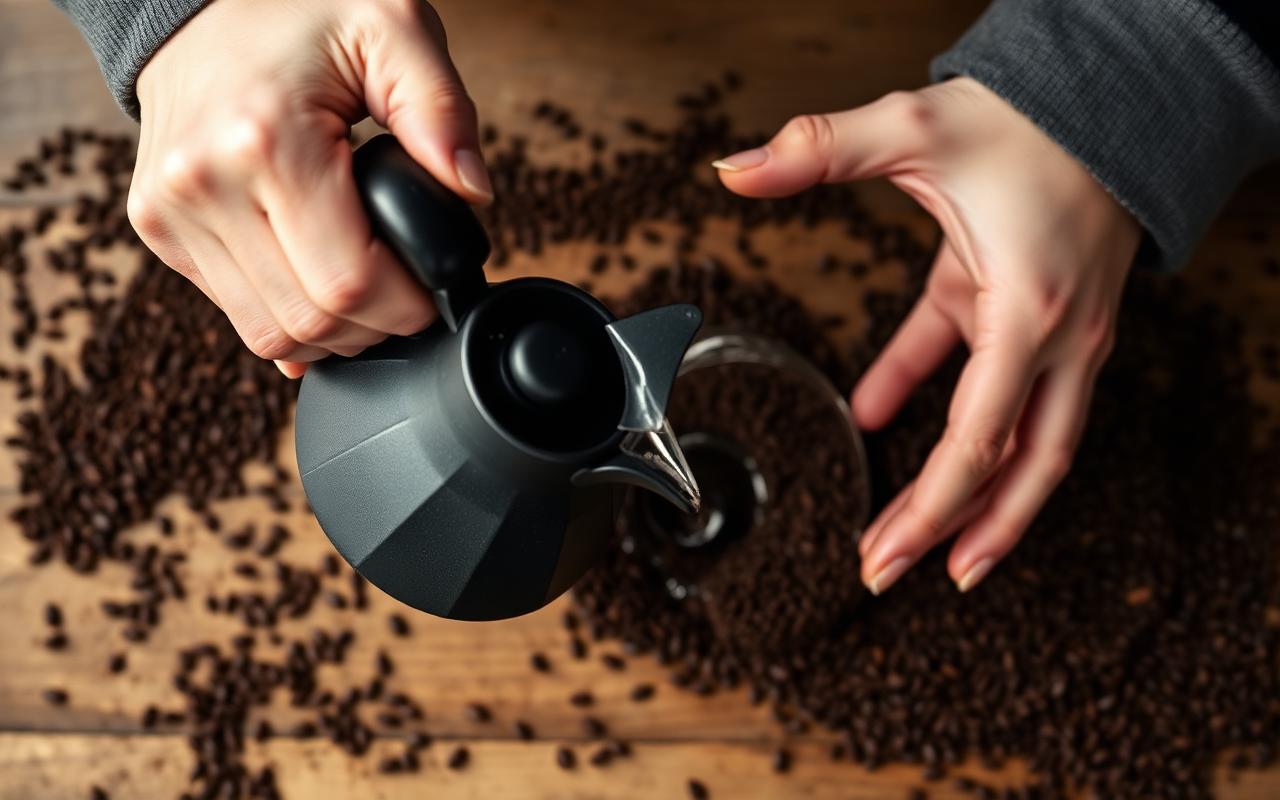
Pouring is a skill. Here's how to control flow rate, height, and direction to brew coffee that tastes intentional.
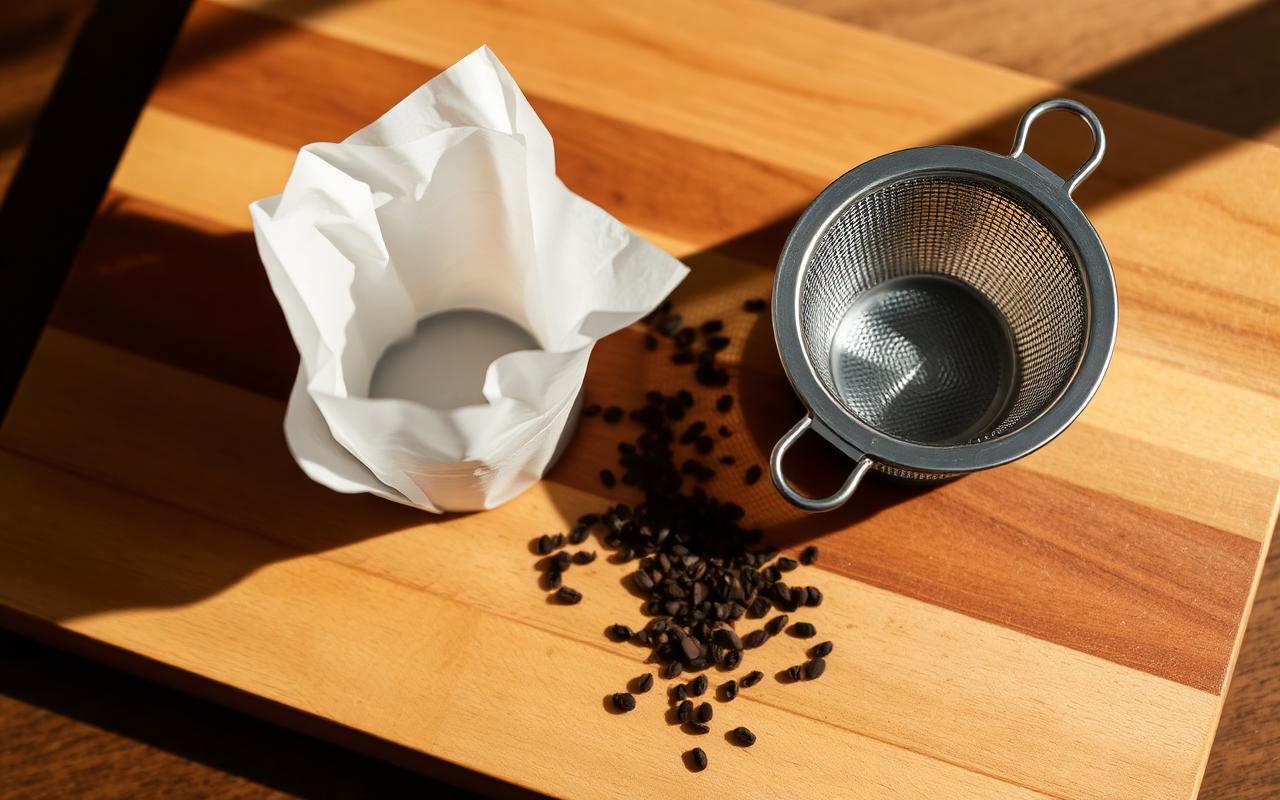
The filter you use changes your coffee more than the water or the beans. Here's what each does to the cup.
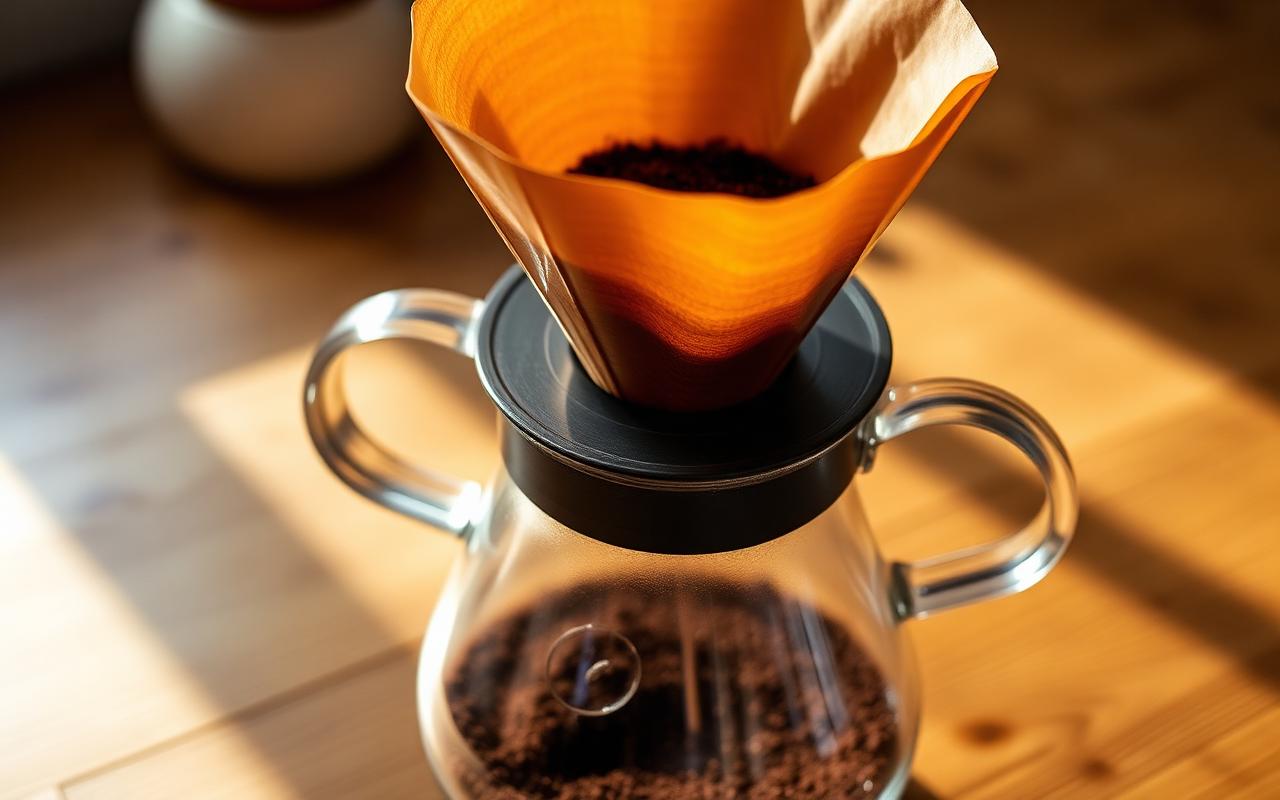
If the V60 punishes bad technique, the Wave forgives it. Here's why the flat-bottom dripper is a beginner's best friend.
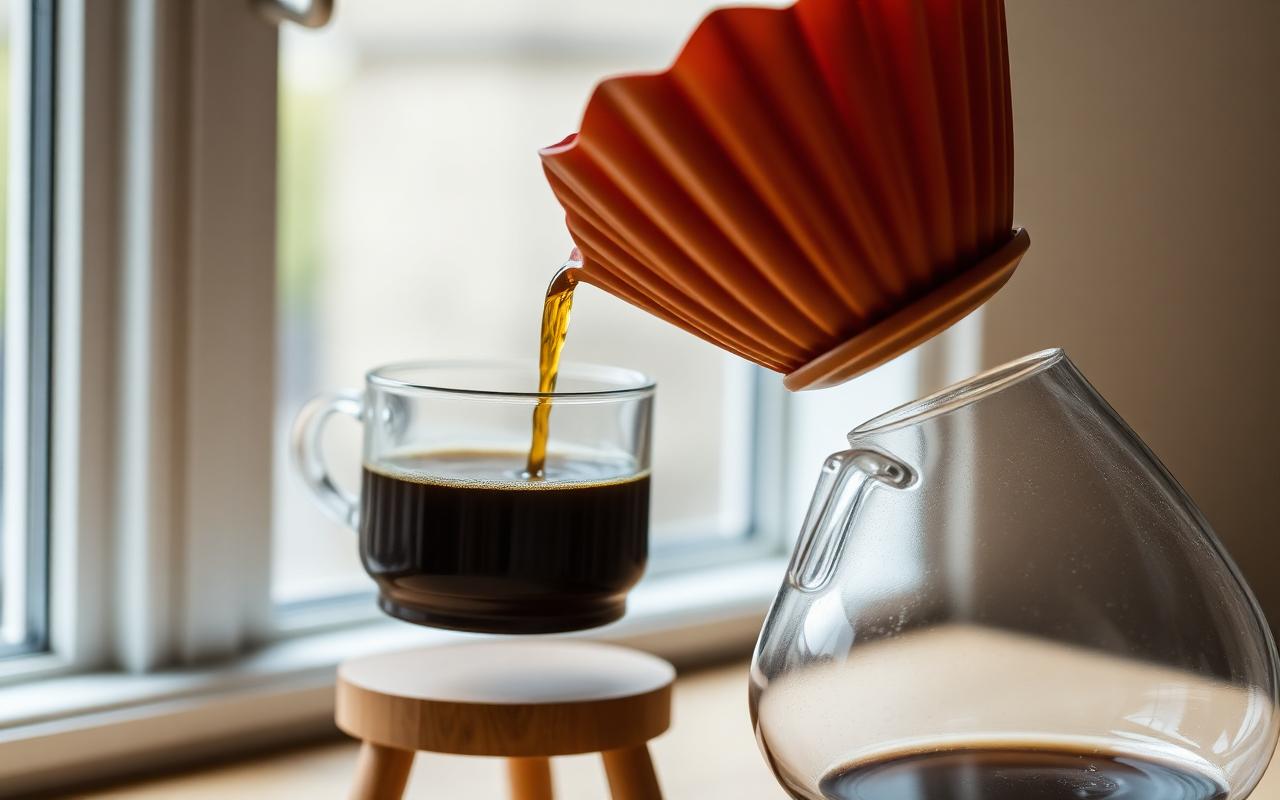
The pleated ceramic dripper isn't just Instagram bait — the ridges do real work. Here's what I found after 100 brews.
Sour, bitter, weak, muddy — every pour over problem has a diagnosis. Here's the quick reference.
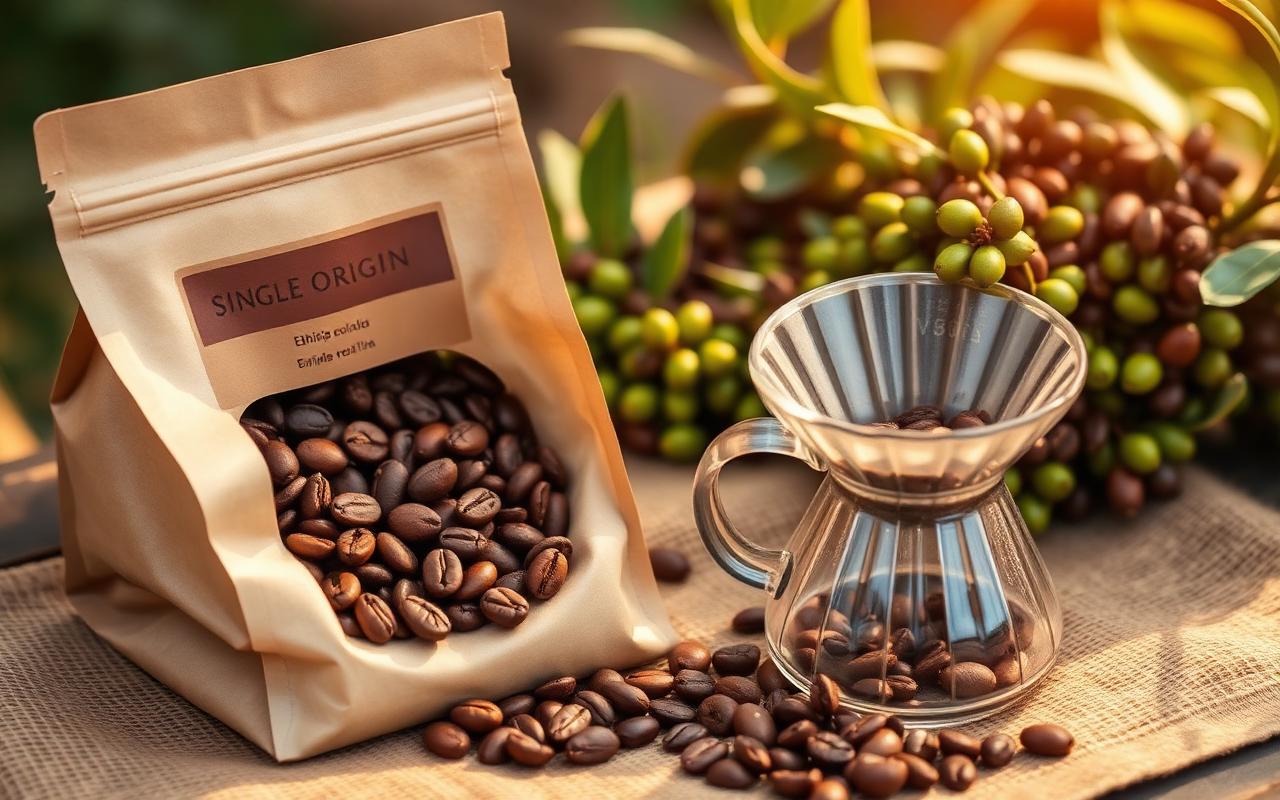
Roasters spend months developing single origin lots. Pour over is the method that respects the work.
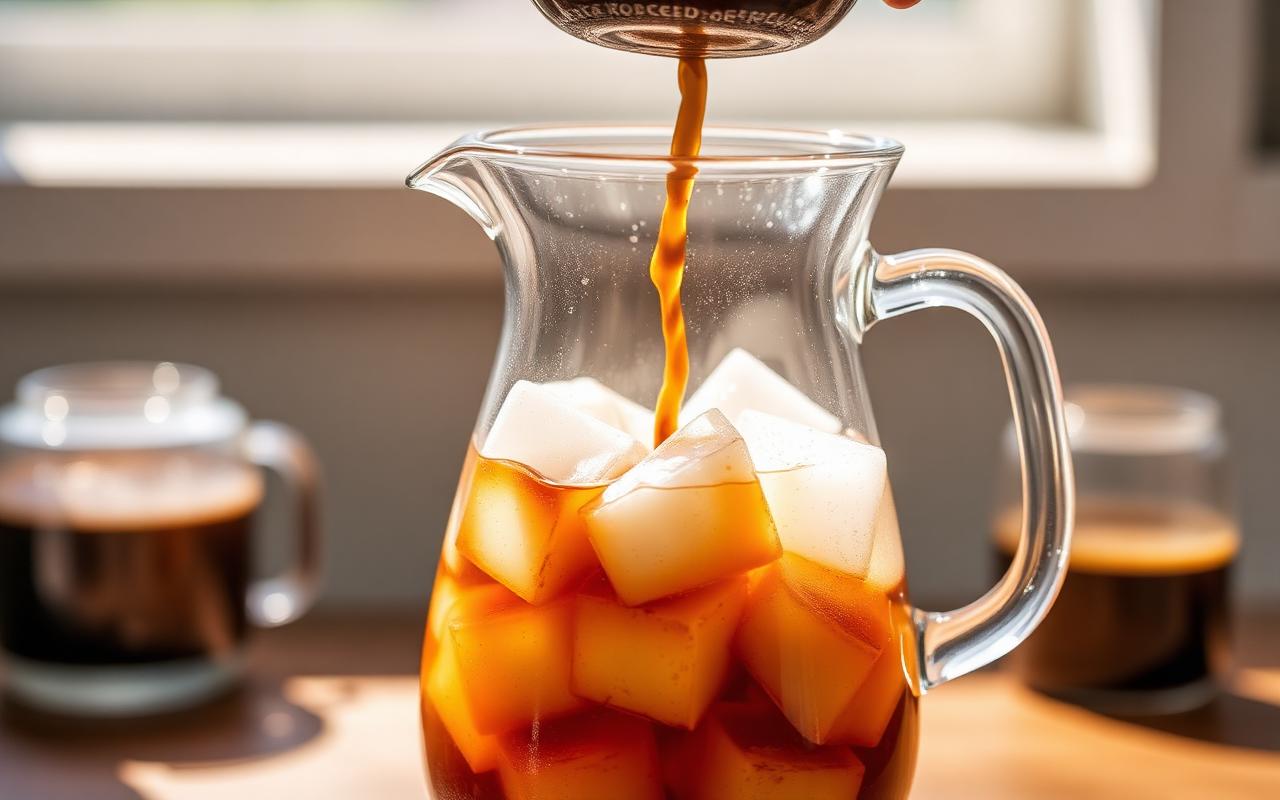
Skip the concentrate. Brew directly onto ice for a cold coffee that tastes like the bean, not like water.
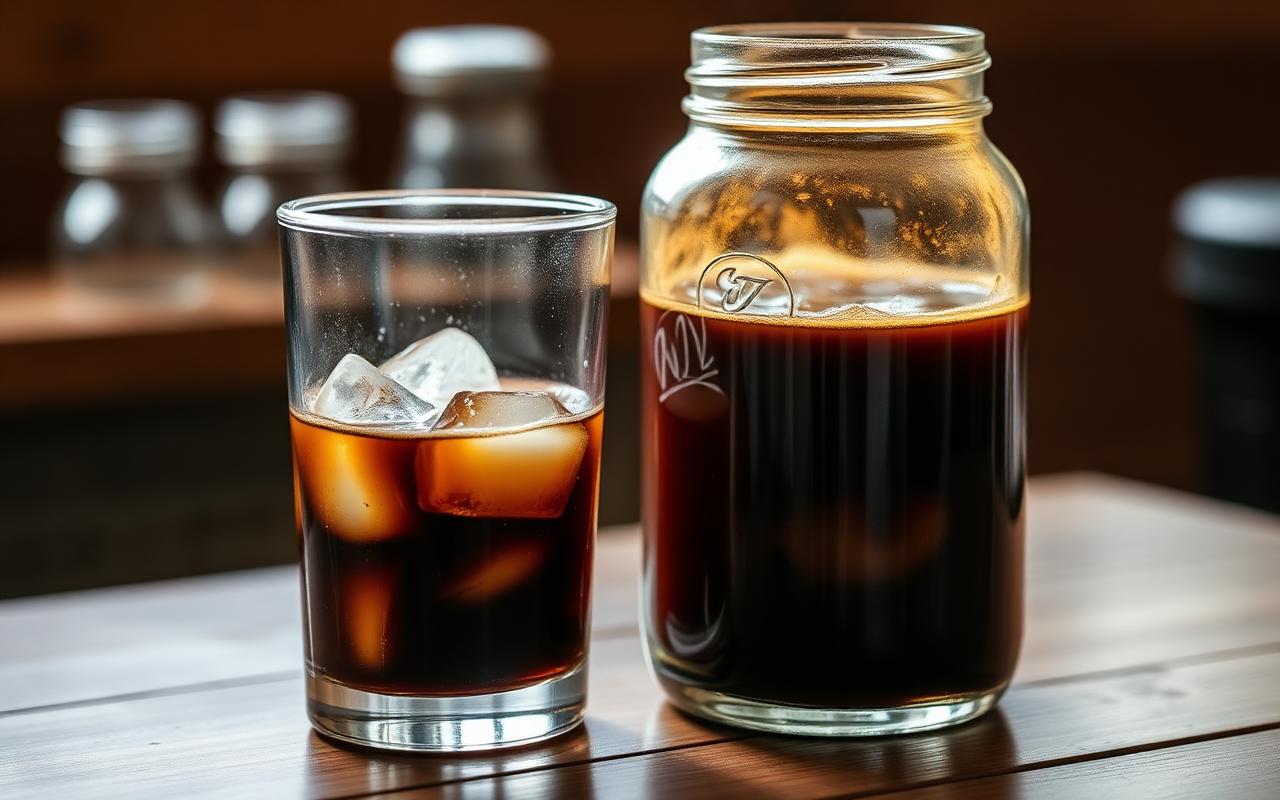
Every recipe tells you a different ratio. Here's what each one actually gives you and how to pick.
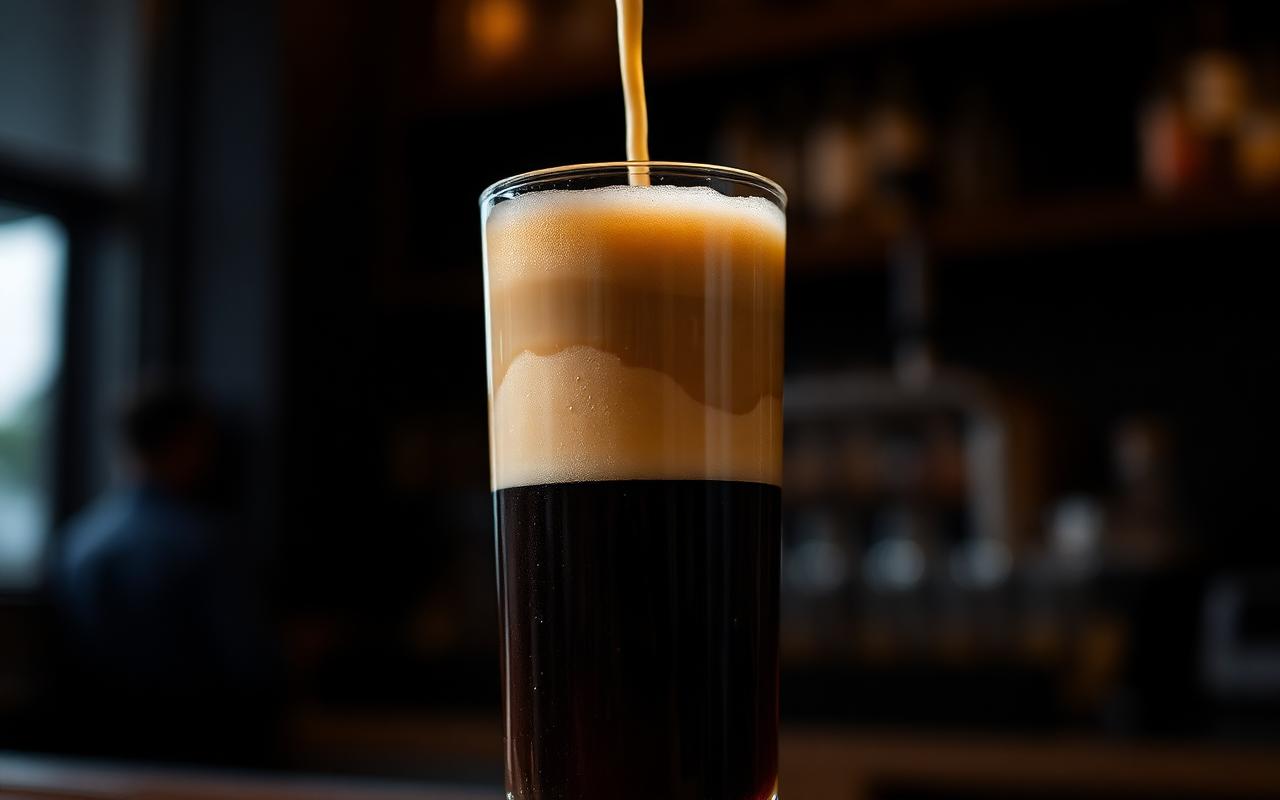
Café nitro is magic. Home nitro can be too — if you skip the toys and use the one system that delivers.
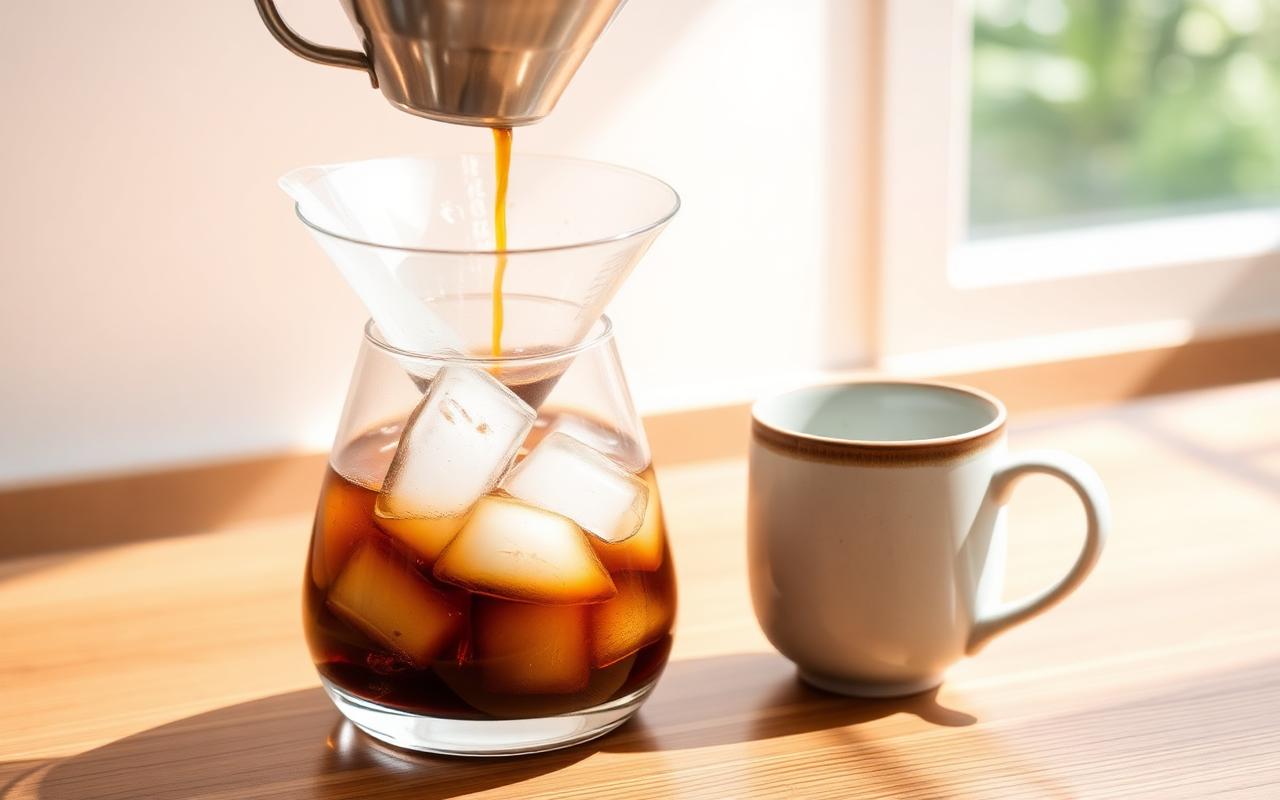
Cold brew takes 12 hours. Japanese iced coffee takes 3 minutes and tastes brighter and more complex.
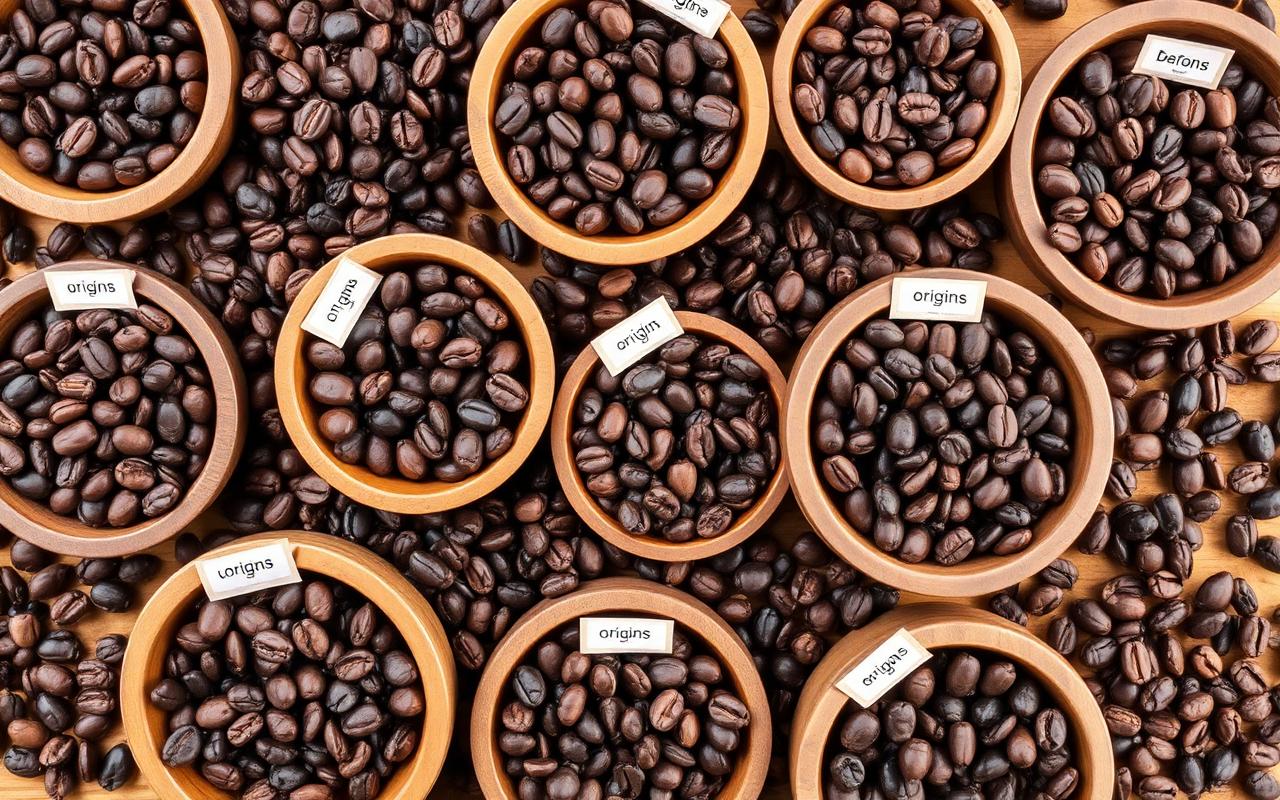
Cold brew hides certain flavors and amplifies others. Here's how to pick beans that will shine.
Uneven tamping is the reason your shots gush or choke. Here's the technique that levels every puck.
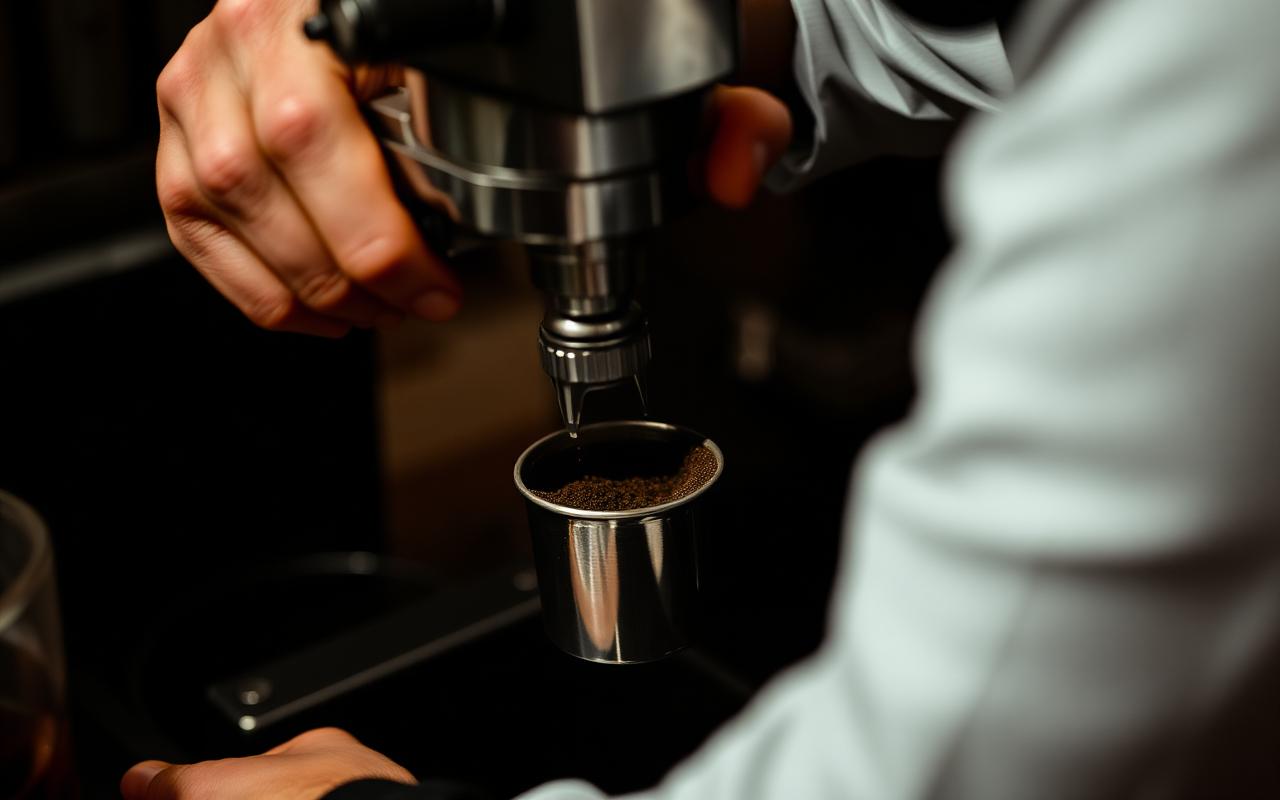
The 30 seconds between grinding and pulling a shot determines 90% of the flavor. Here's the sequence.
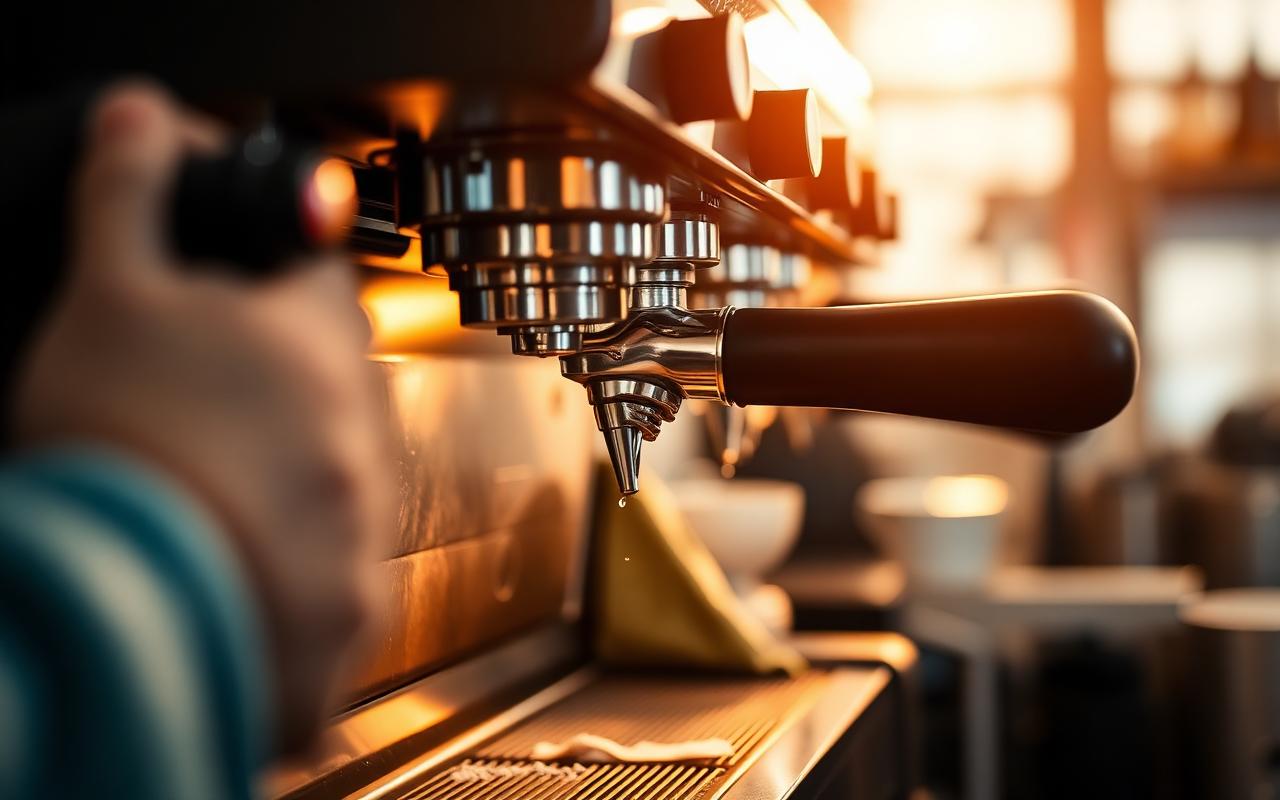
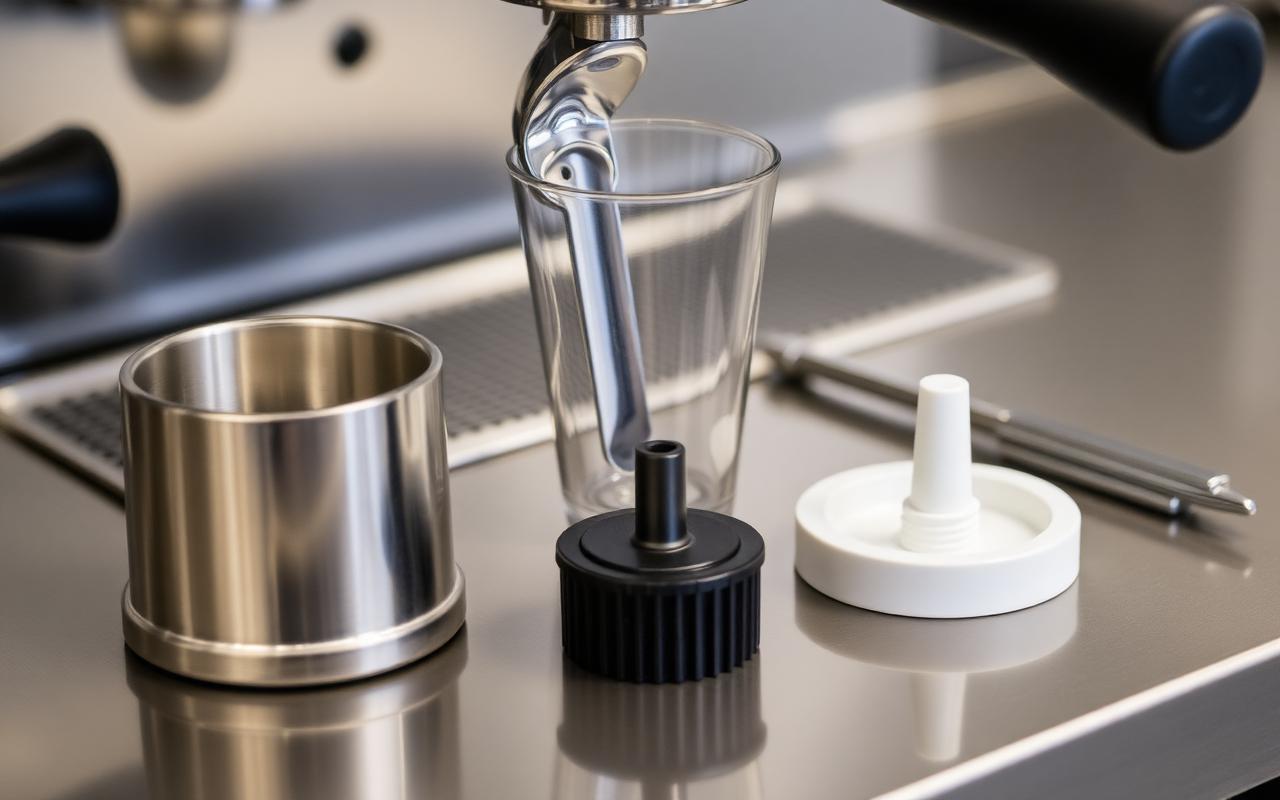
Your machine drinks water full of minerals and coffee full of oils. Here's the 10-minute weekly cleaning that keeps it alive.
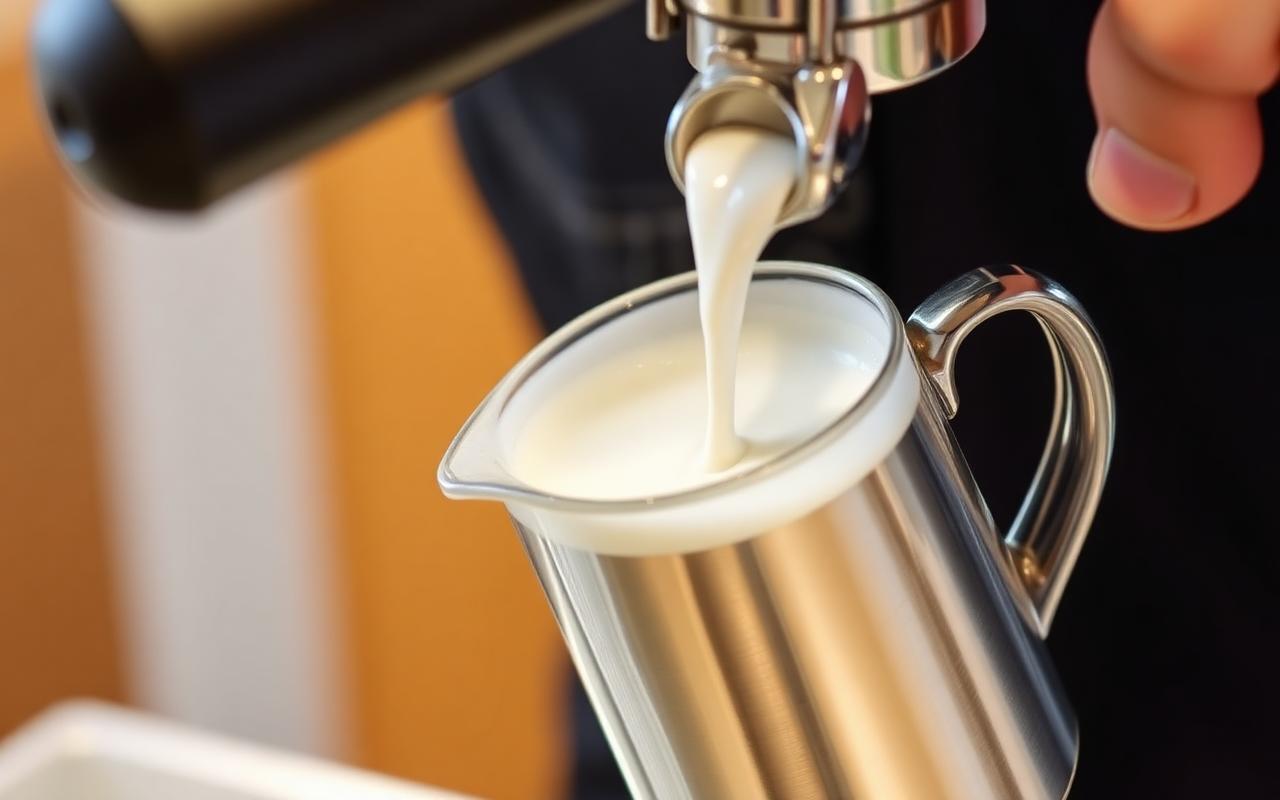
Perfect microfoam sounds like a tearing paper, not a screaming baby. Here's how to get there.
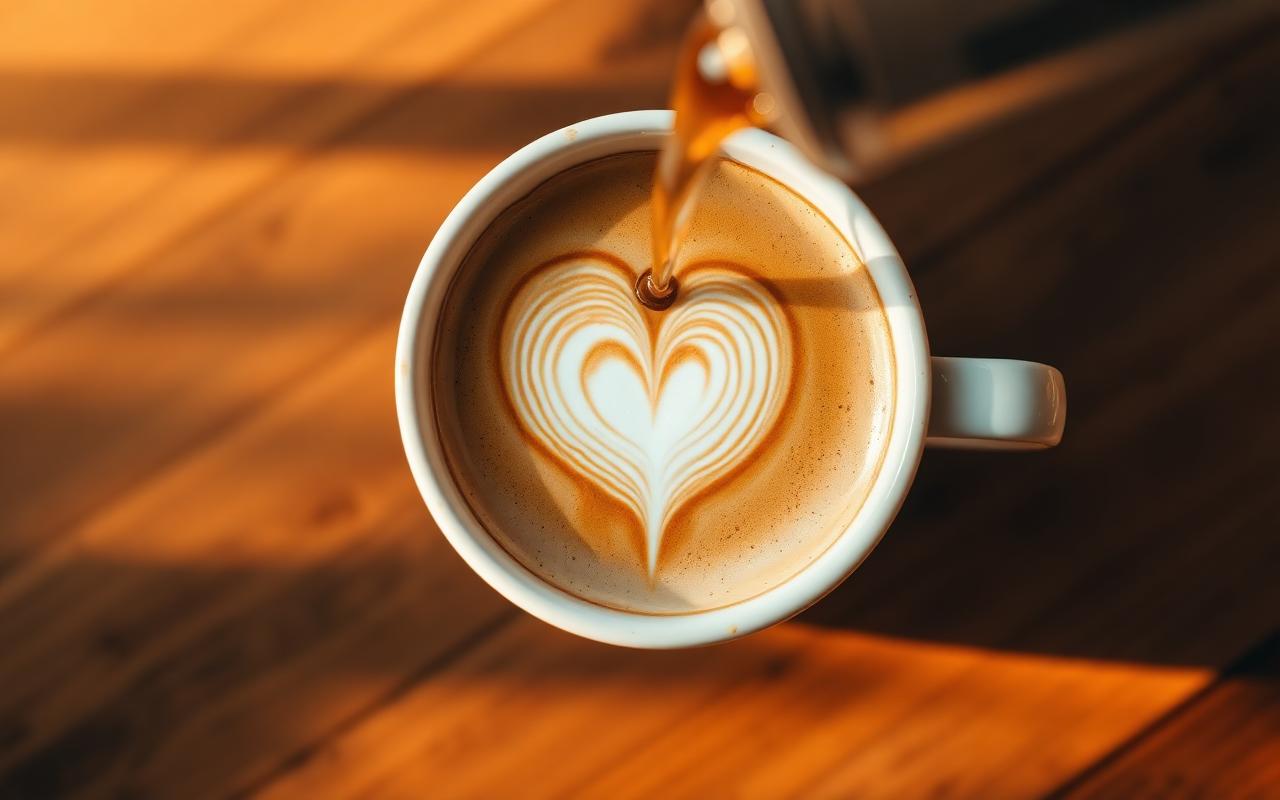
You don't need talent. You need microfoam and a slow pour. Here's the simplest pattern that actually works.
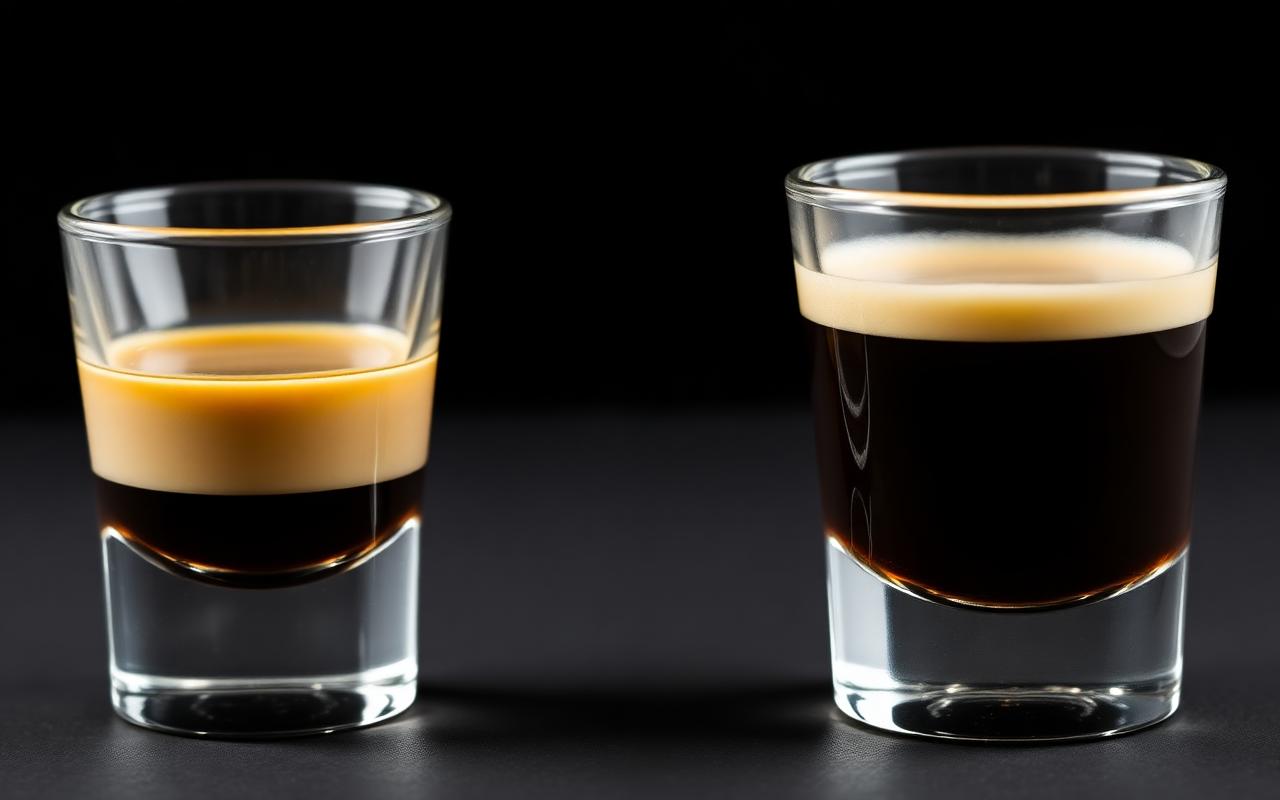
Change how much water passes through the puck and you get completely different flavors. Here's the science.
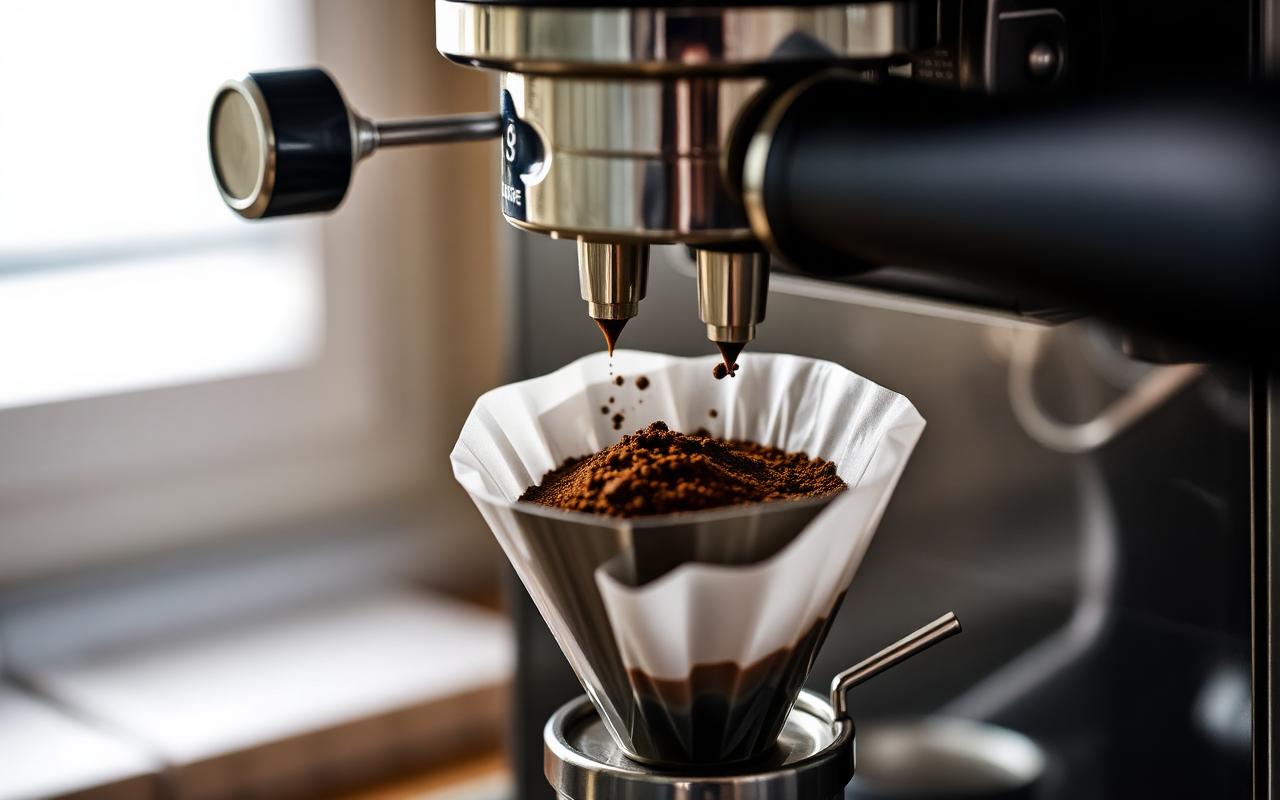
A $500 machine with a bad grinder makes bad coffee. A $200 machine with a great grinder makes great coffee.
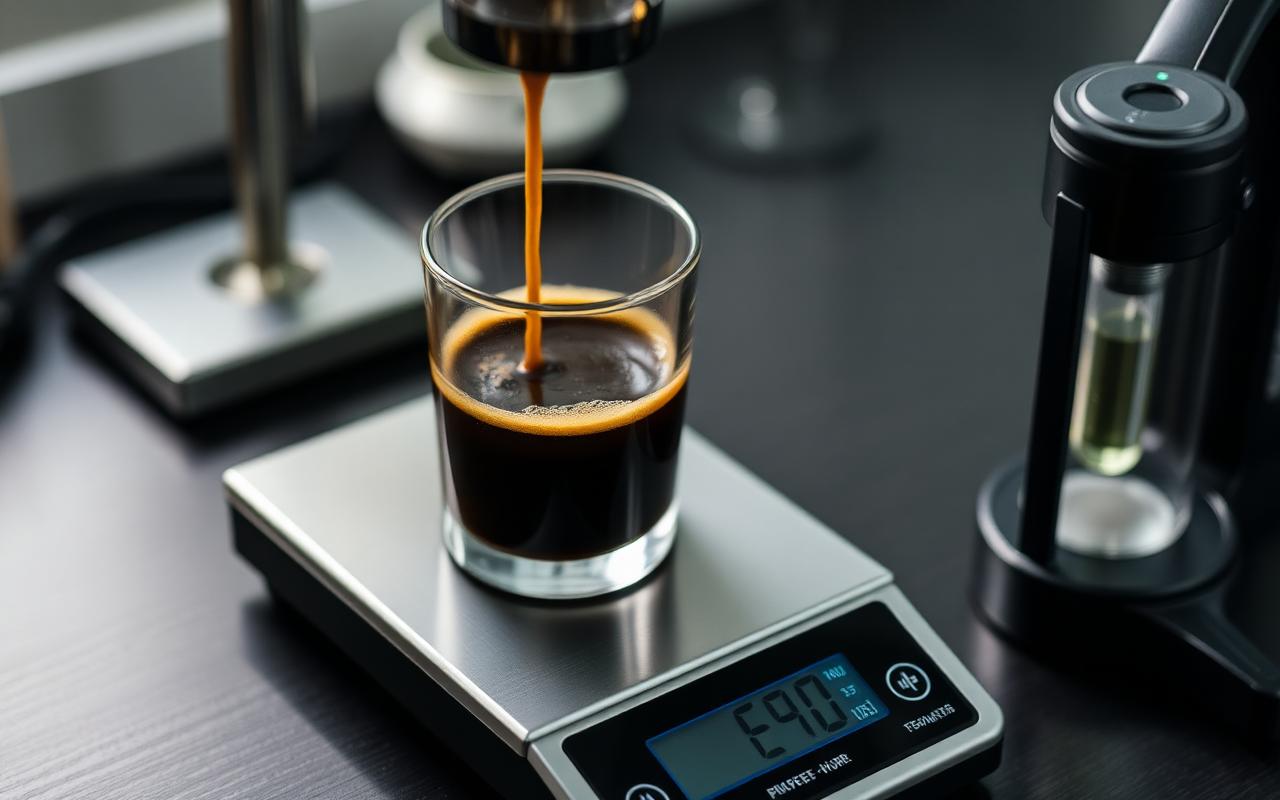
Extraction yield is the difference between a sour shot and a sweet one. Here's how to measure and adjust it.
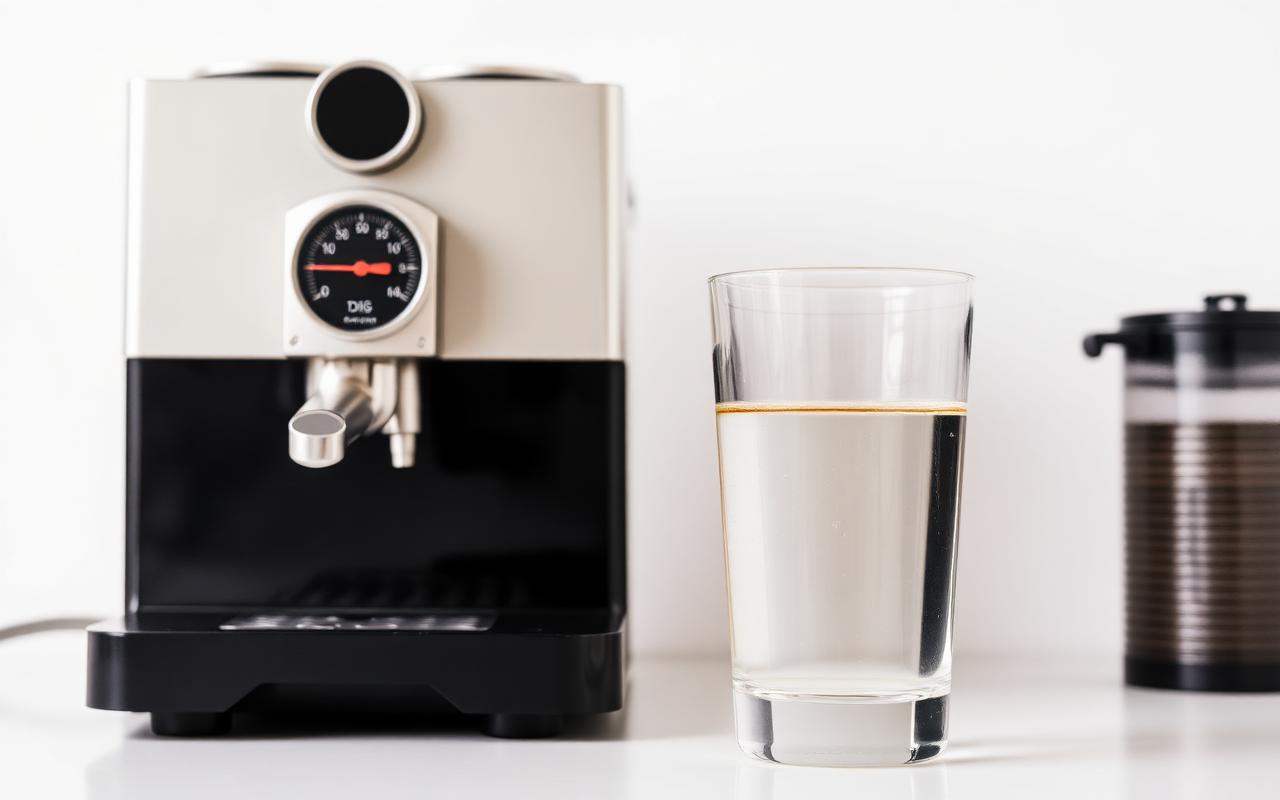
Water is 98% of your shot. Getting it right transforms every bean and protects your machine.
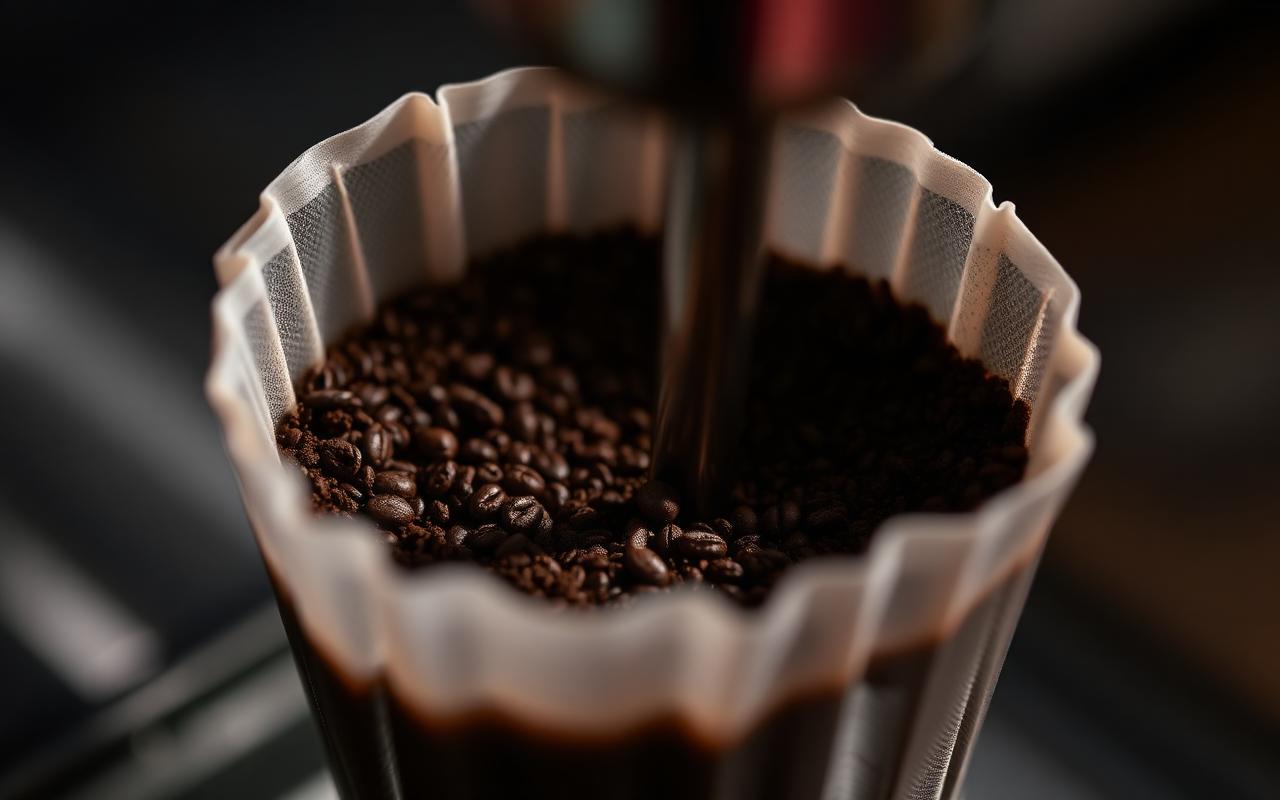
Weiss Distribution Technique sounds fancy. It's just stirring your grounds with tiny needles. It works instantly.
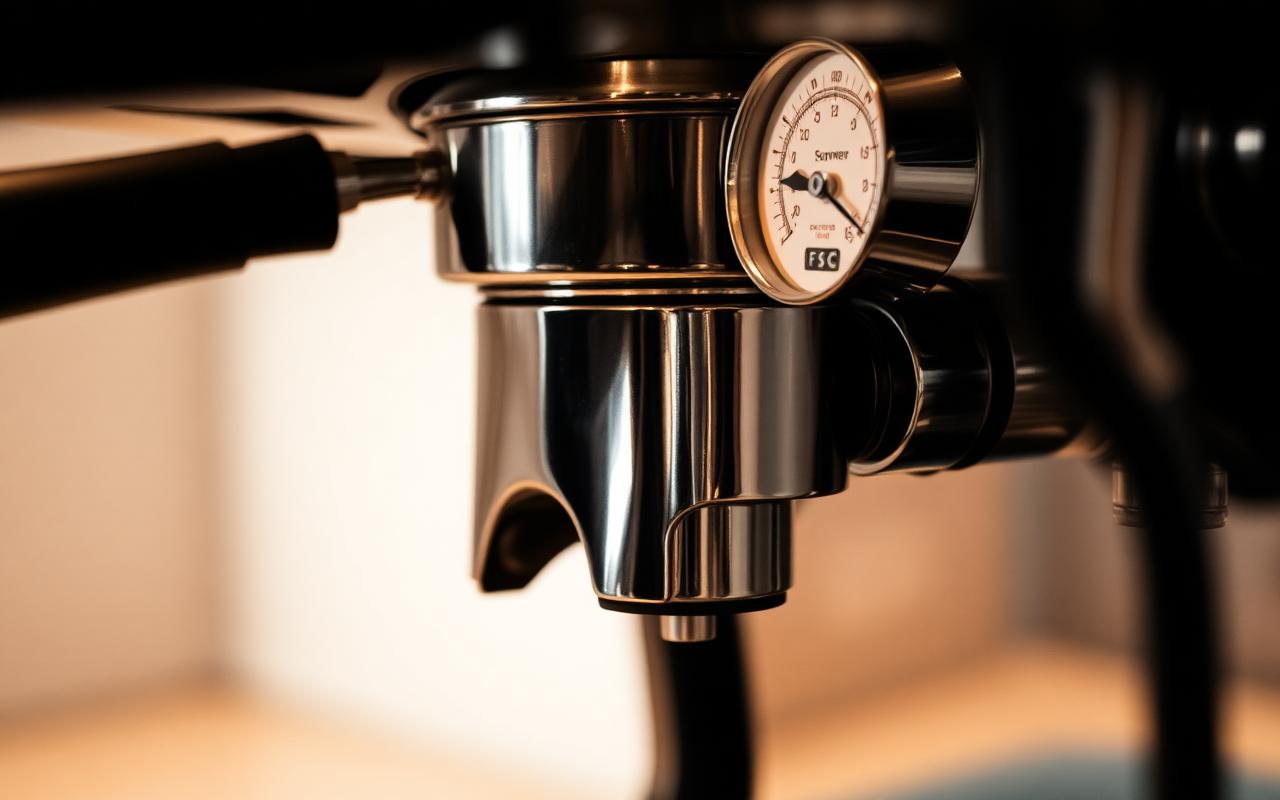
Modern machines let you play with pressure over the shot. Here's what actually changes when you do.
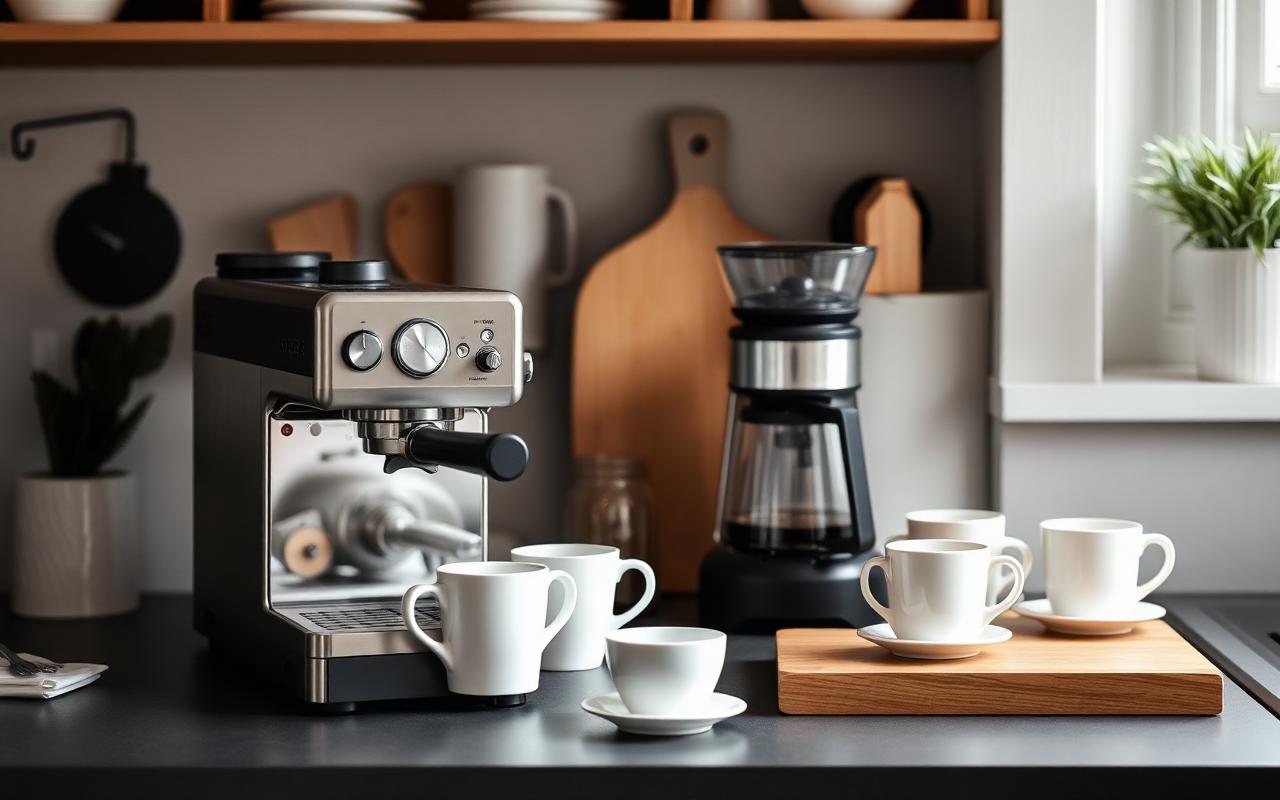
A fast, repeatable order of operations means you'll actually pull shots on weekdays. Here's mine.
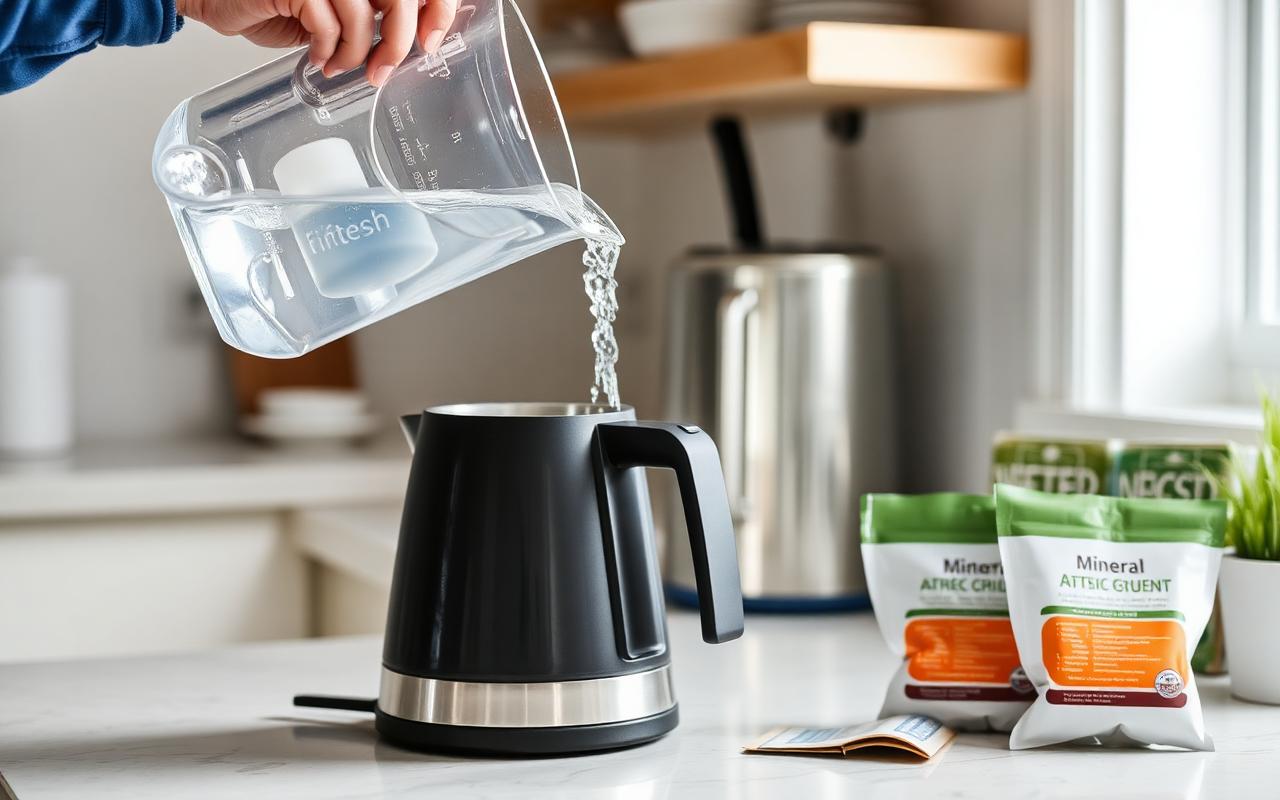
Coffee is 98% water. If your water tastes bad, your coffee will too. Here's what matters.
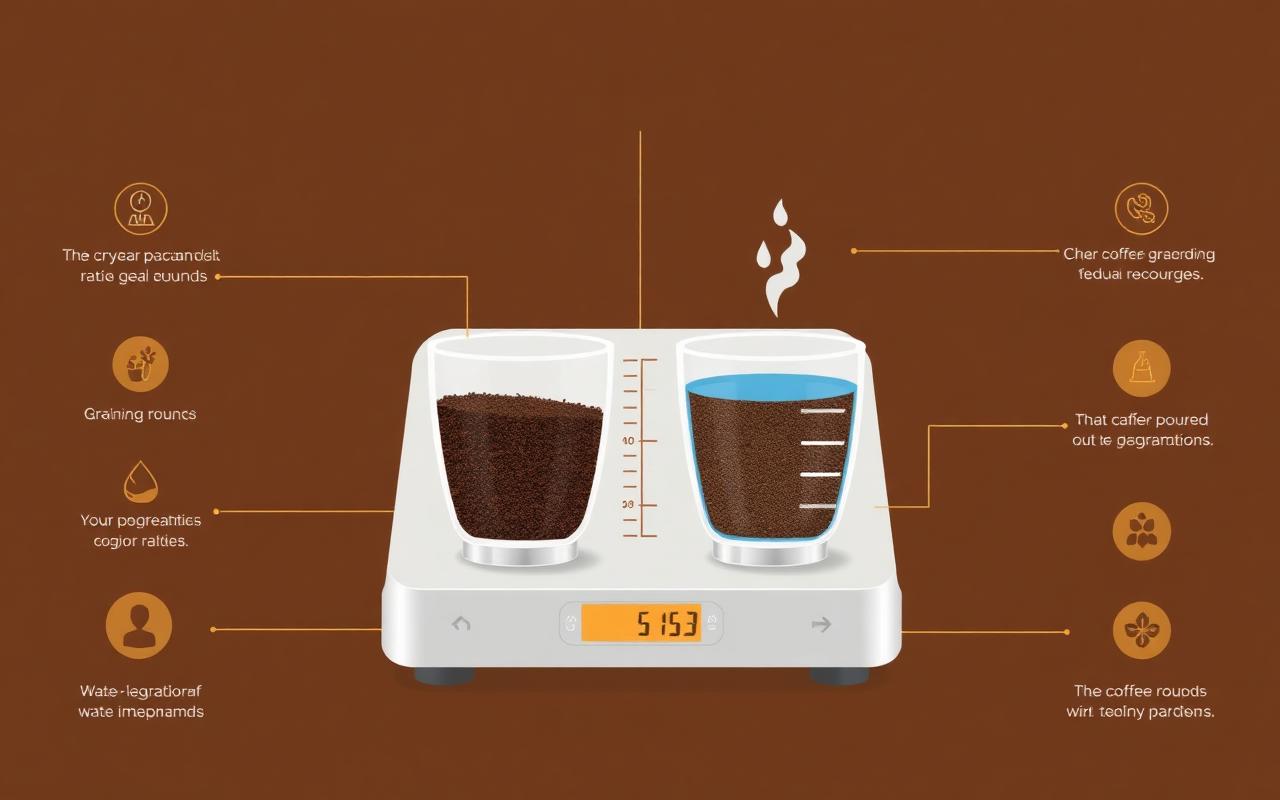
If your coffee tastes thin, you probably don't need better beans. You need more of them.
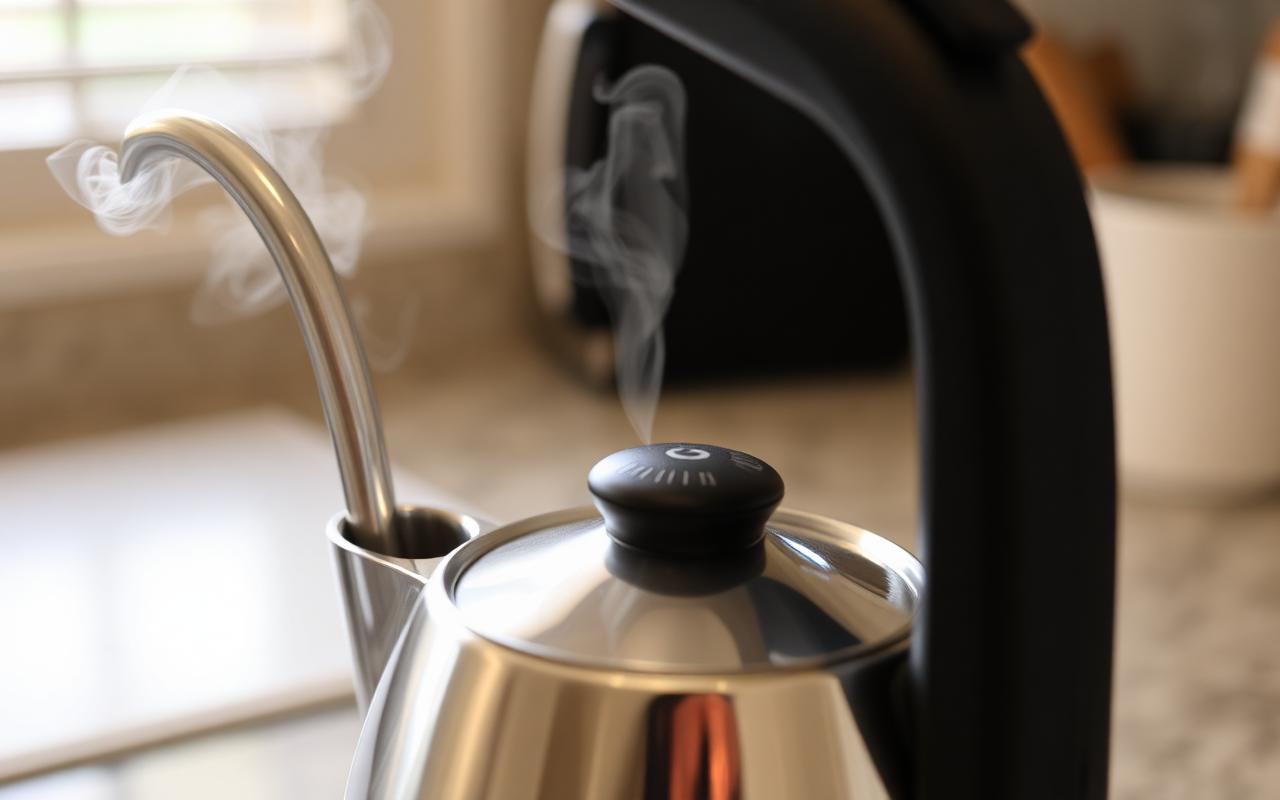
Different brewers want different temperatures. Here's the cheat sheet.
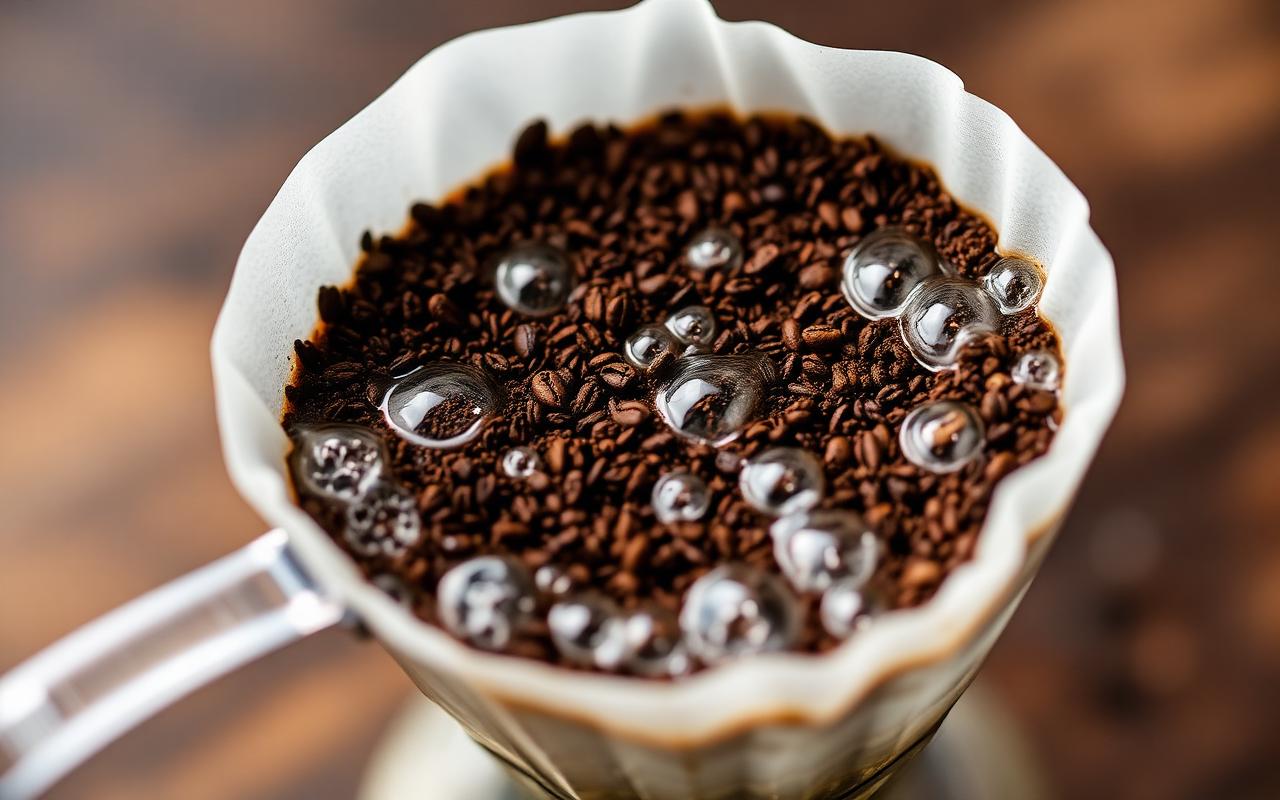
The bloom isn't decoration. It's the difference between an even brew and an uneven one. Here's why.
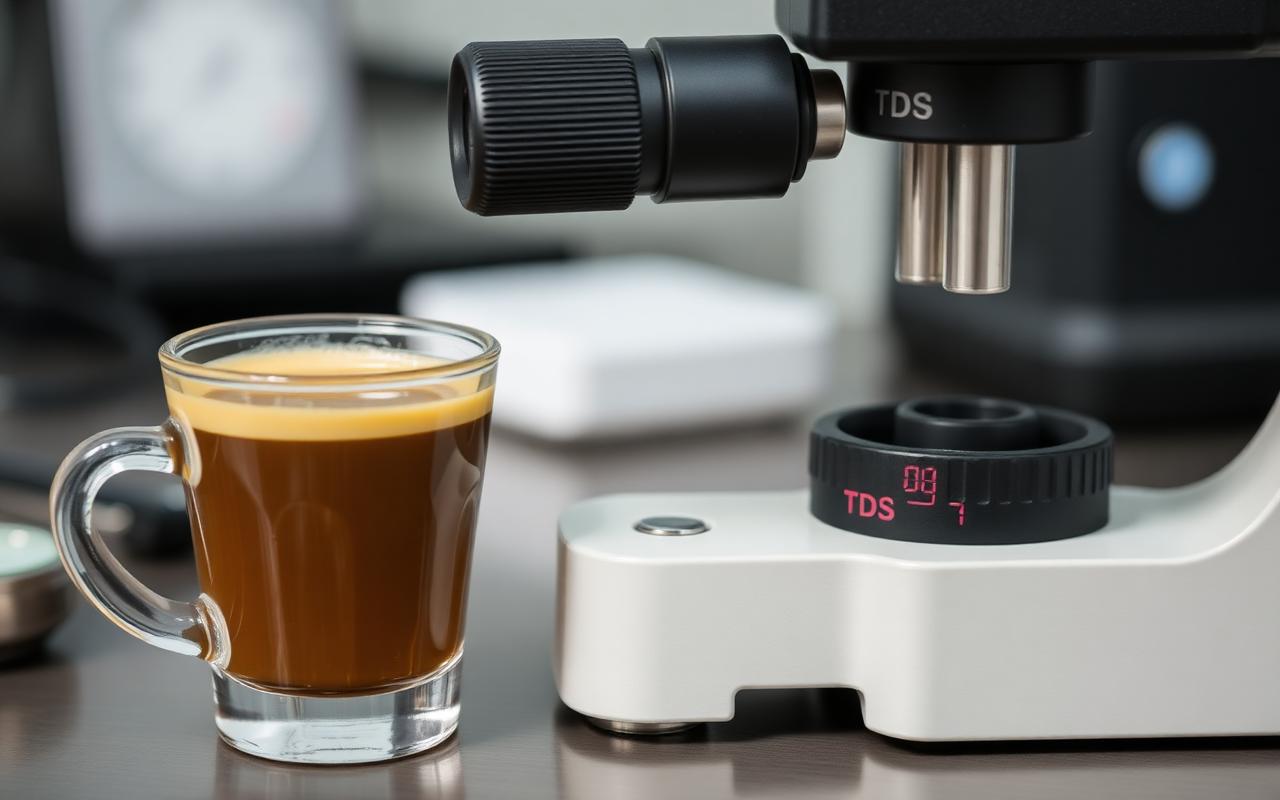
Total Dissolved Solids and Extraction Yield are the North Stars of specialty coffee. Here's what they mean.
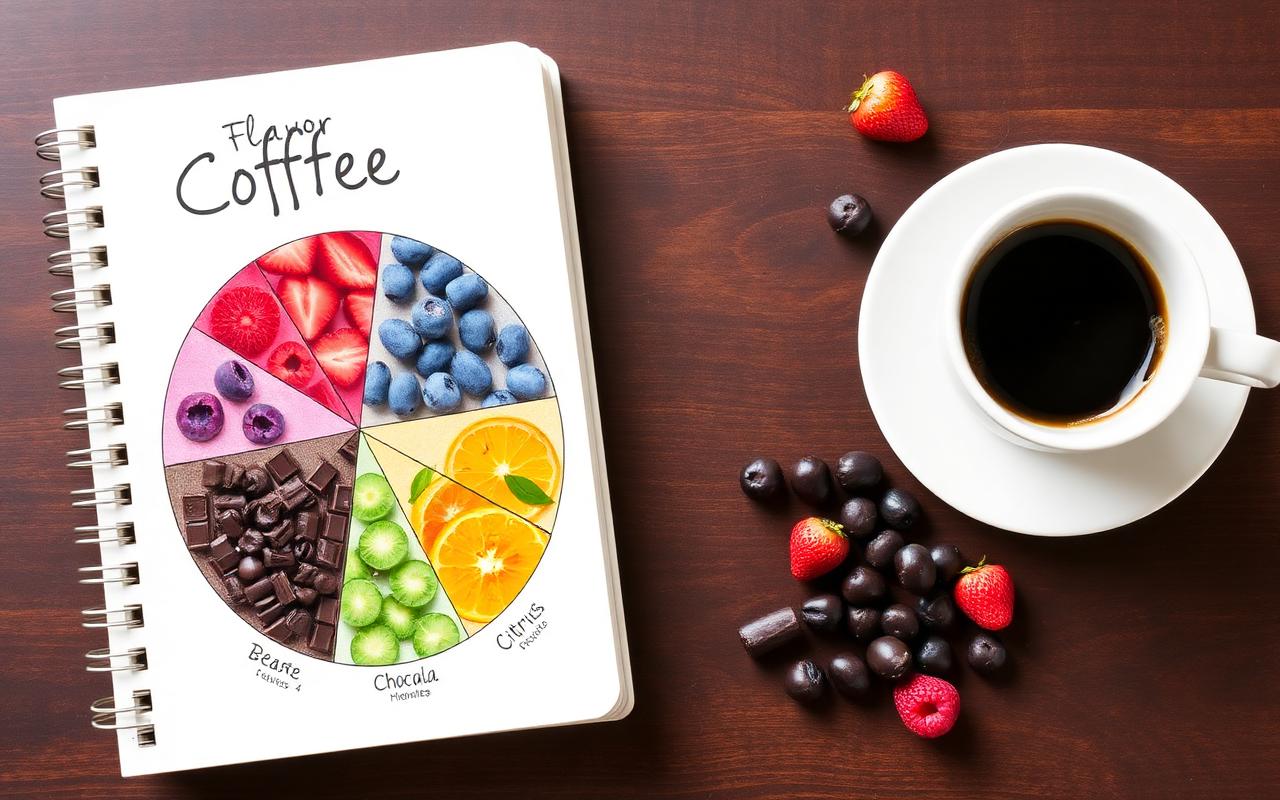
Roasters put weird words on bags. Here's how to translate them into flavors you'll recognize.
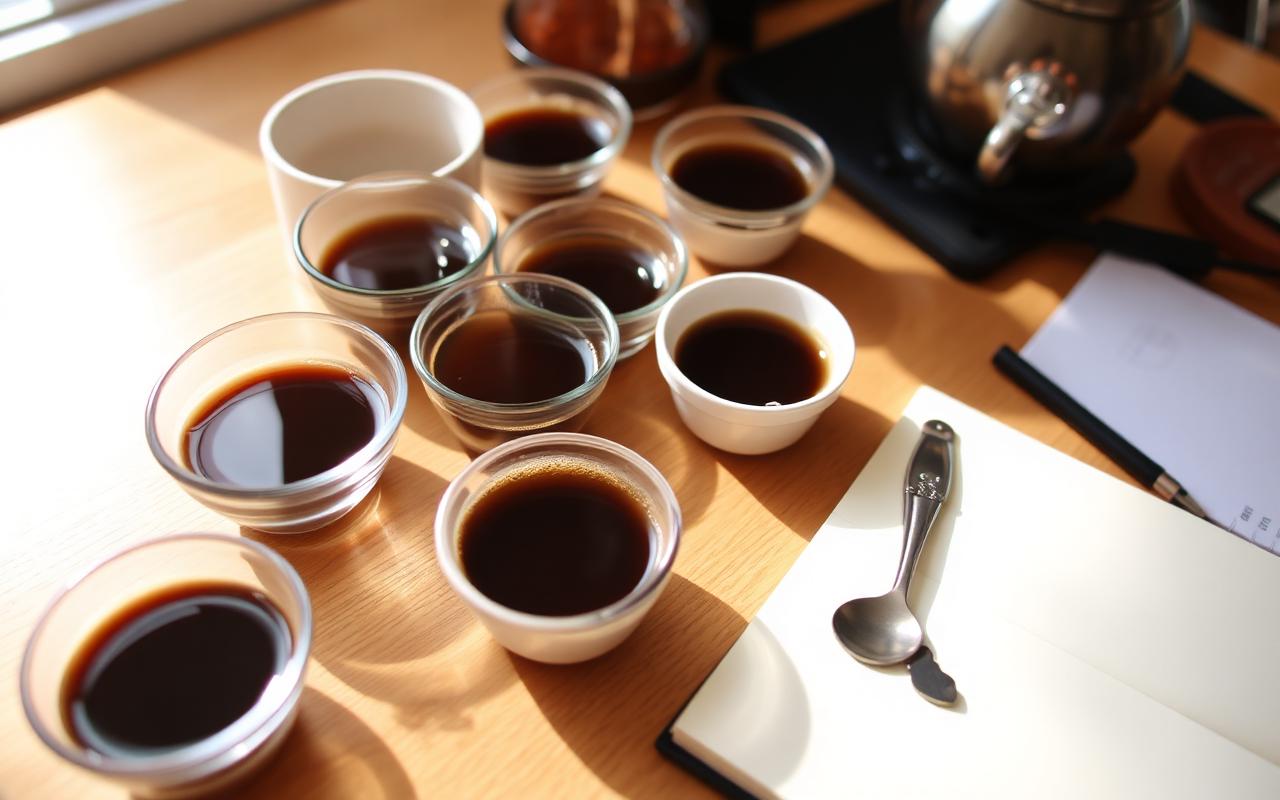
Cupping is how professionals taste coffee. It's also the best way to learn what you actually like.
Great coffee doesn't require an hour. Here's the routine I've refined over five years.
Making a whole carafe for guests is different from brewing one cup. Here's what to change.
Microwaved coffee tastes burnt. Here's the trick to reheating without destroying flavor.
The quickest wins in home coffee come from cutting the small mistakes. Here are the ten worst.
The same beans behave differently in July than in January. Here's what to adjust.
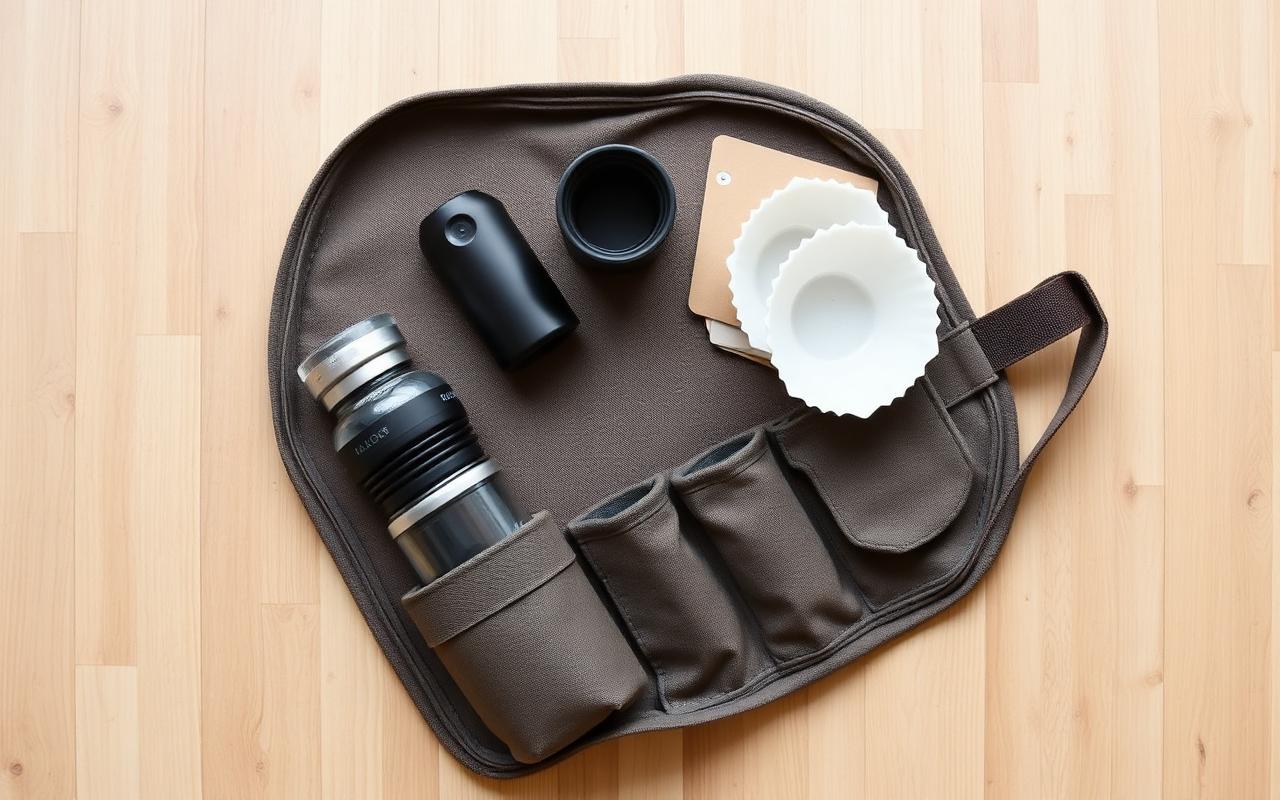
You don't have to drink hotel coffee. Here's a kit that fits in a backpack and brews world-class cups.
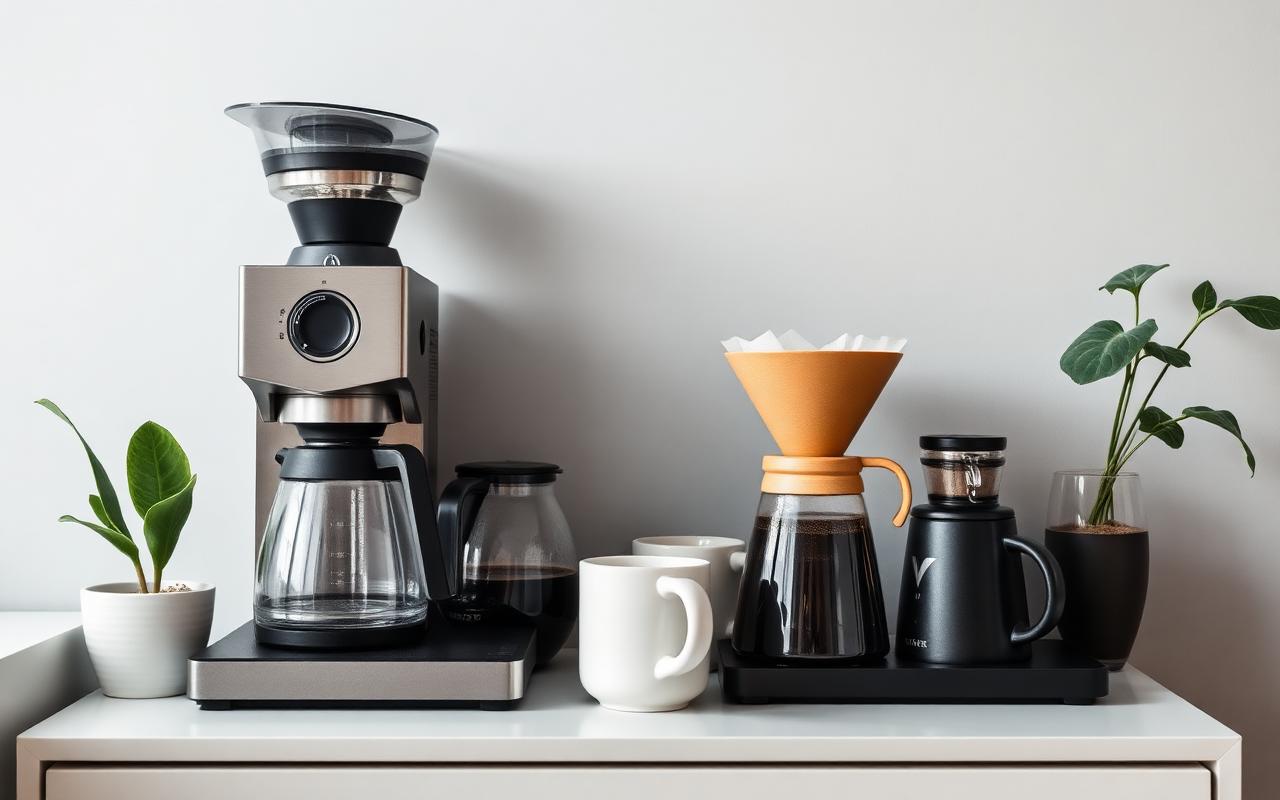
You can't fix the office pot, but you can bypass it. Here's the desk-drawer kit.
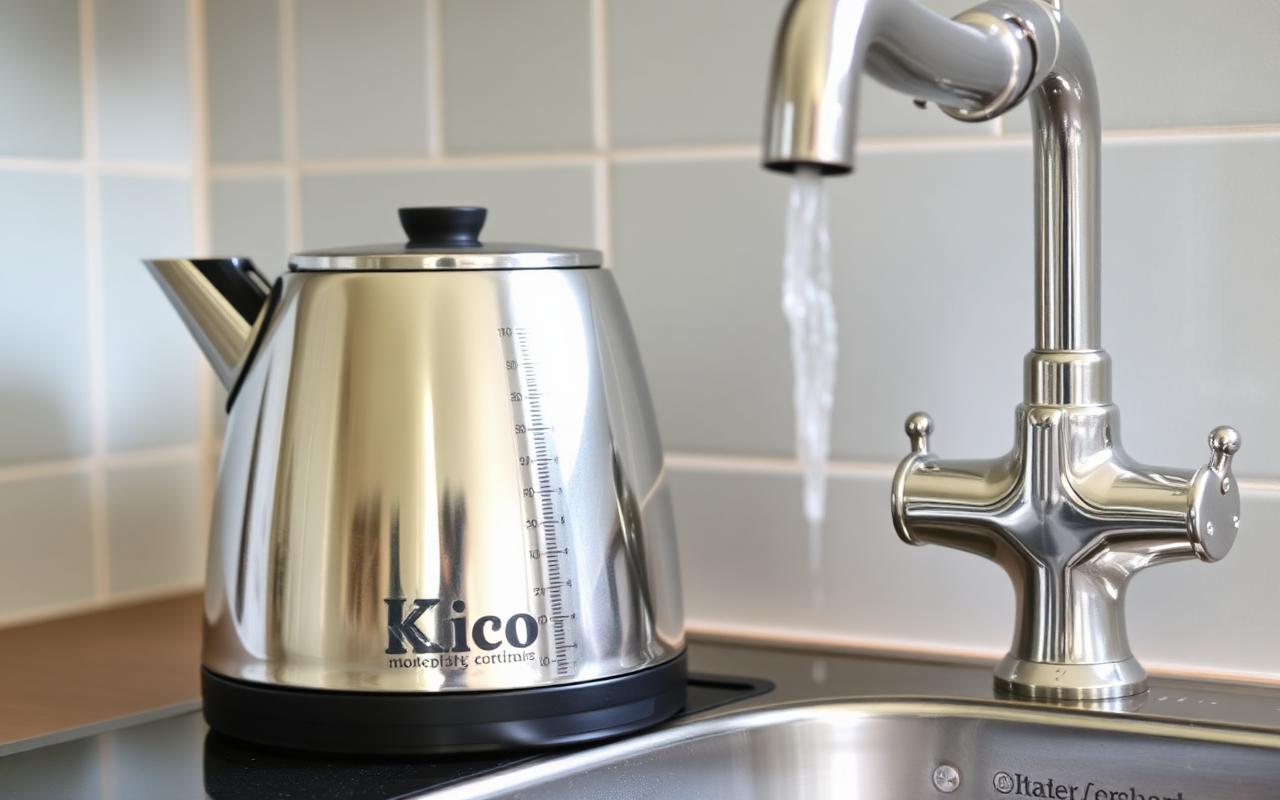
Hard water dulls coffee and destroys machines. Here's what to do without buying a filtration system.
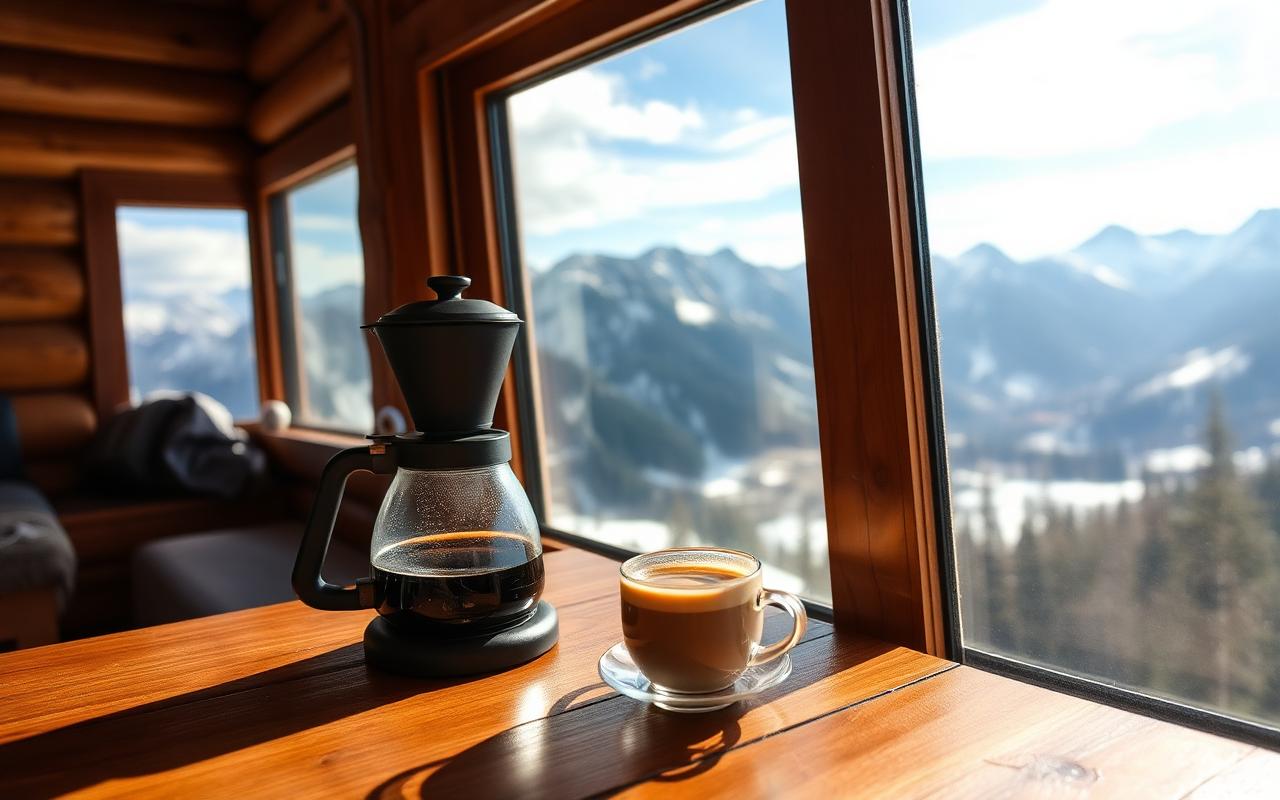
Water boils cooler at altitude. That changes everything about brewing. Here's how to compensate.