Blooming Coffee: The Half-Minute That Changes Everything
The bloom isn't decoration. It's the difference between an even brew and an uneven one. Here's why.
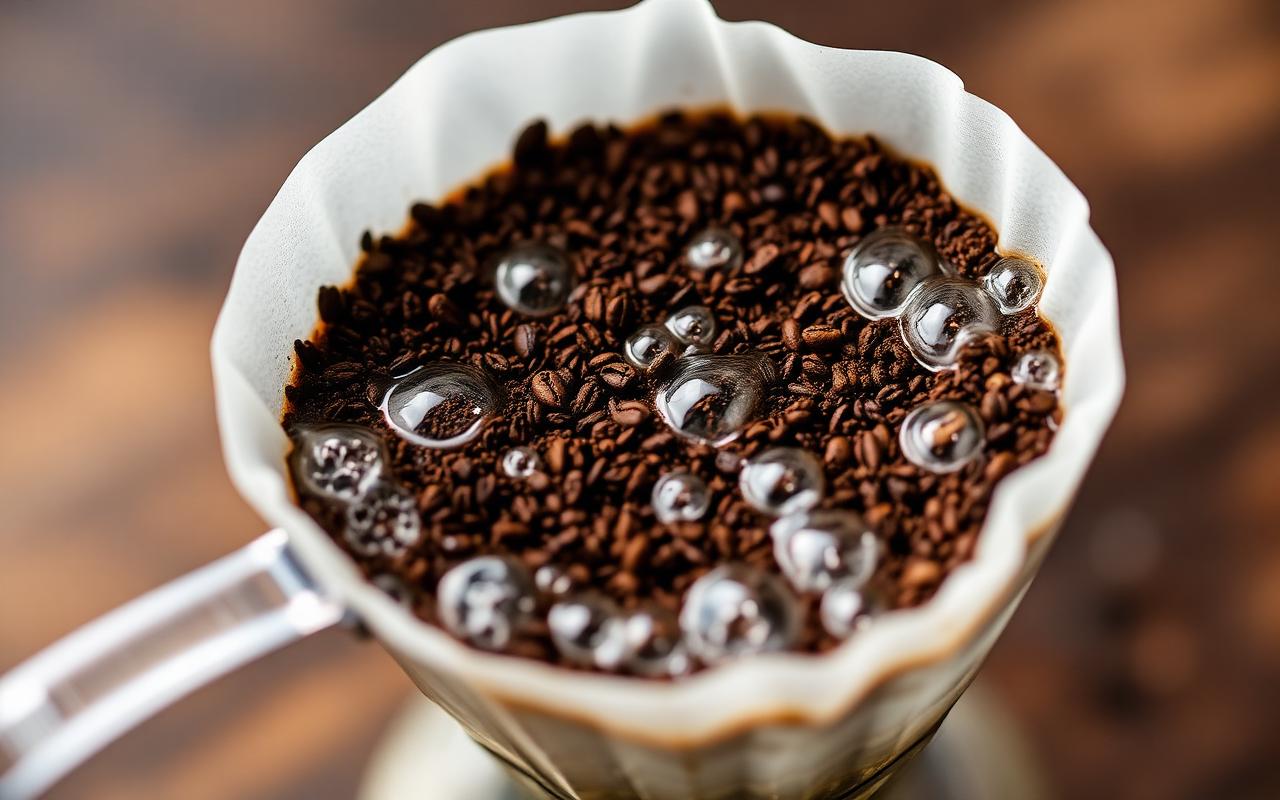
Pouring 2 to 3 times the coffee weight in water and waiting 30 to 45 seconds. Trapped CO2 escapes, wetting all grounds evenly and preparing them for full extraction.
What happens without it
Uneven wetting. Water finds channels through dry pockets and skips others entirely. You get a mix of over- and under-extracted flavors in the same cup.
The rules
Fresh coffee needs a longer bloom (45 seconds). Older coffee needs less (30 seconds). If your coffee doesn't bloom visibly, it's stale — buy fresher beans.
Going deeper
There's the version of this you can learn in five minutes, and there's the version that makes every cup better for the next ten years. This is the second one.
Small upgrades, big returns
The order of return on investment: scale, burr grinder, filtered water, kettle with temperature control, better beans, better brewer. Most beginners buy in reverse. A $30 hand grinder and a $15 scale will improve your coffee more than any $300 machine ever will.
Trust your palate
Recipes are starting points. If the cup you make tastes better to you than the one the barista recommends, that's the correct cup. Learn the shorthand — sour means under-extracted, bitter means over-extracted, weak means low ratio — and adjust one variable at a time until the cup lands where you want it.
Freshness rules everything
Grind immediately before brewing — coffee loses 60 percent of its aromatics within 15 minutes of grinding. Store beans in an airtight container away from heat and light. Buy smaller bags more often instead of one big bag that goes stale.
Consistency comes from measurement
The single biggest change you can make is buying a scale. Volume measurement (scoops, tablespoons) is wildly inconsistent because coffee density varies with roast and bean. Every serious brew recipe is expressed as a weight ratio for a reason.
Common mistakes to avoid
The fastest way to improve is to stop doing the wrong thing. In order of frequency: using stale coffee, skipping the scale, running the water too cool, and changing multiple variables at once. Fix those four and you're brewing better than 90 percent of home setups.
Final thoughts
Coffee at this level rewards attention, not spending. A modest setup used consistently beats an expensive setup used carelessly, every time. Give any technique two weeks of daily practice before deciding whether it works for you — palate takes longer to train than muscle memory.
Home barista, gear nerd, and contributing writer at Brew Coffee Better.
Related articles
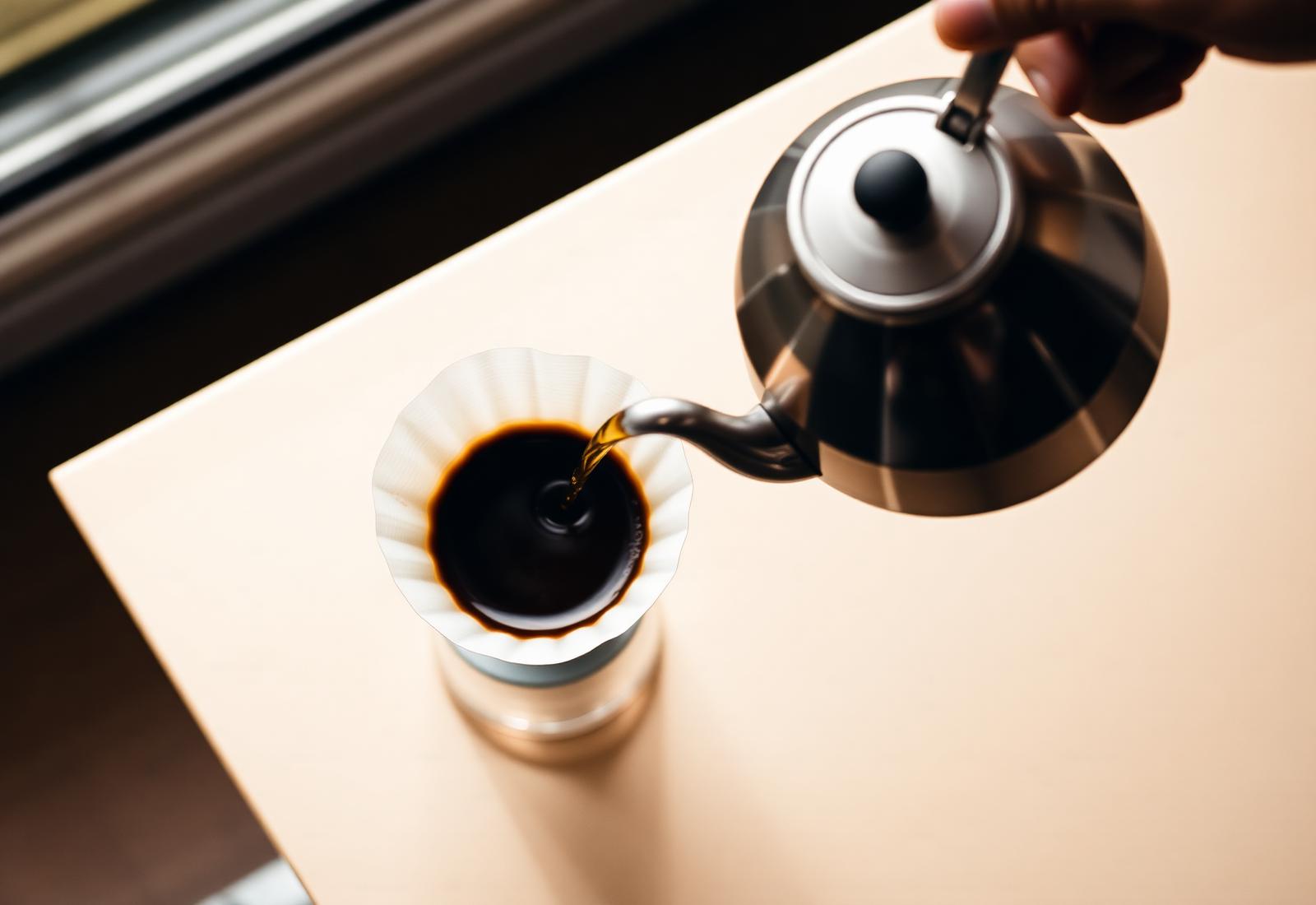
How to Brew the Perfect Pour Over Coffee
A step-by-step guide to nailing a clean, sweet pour over — from bloom to final pour.
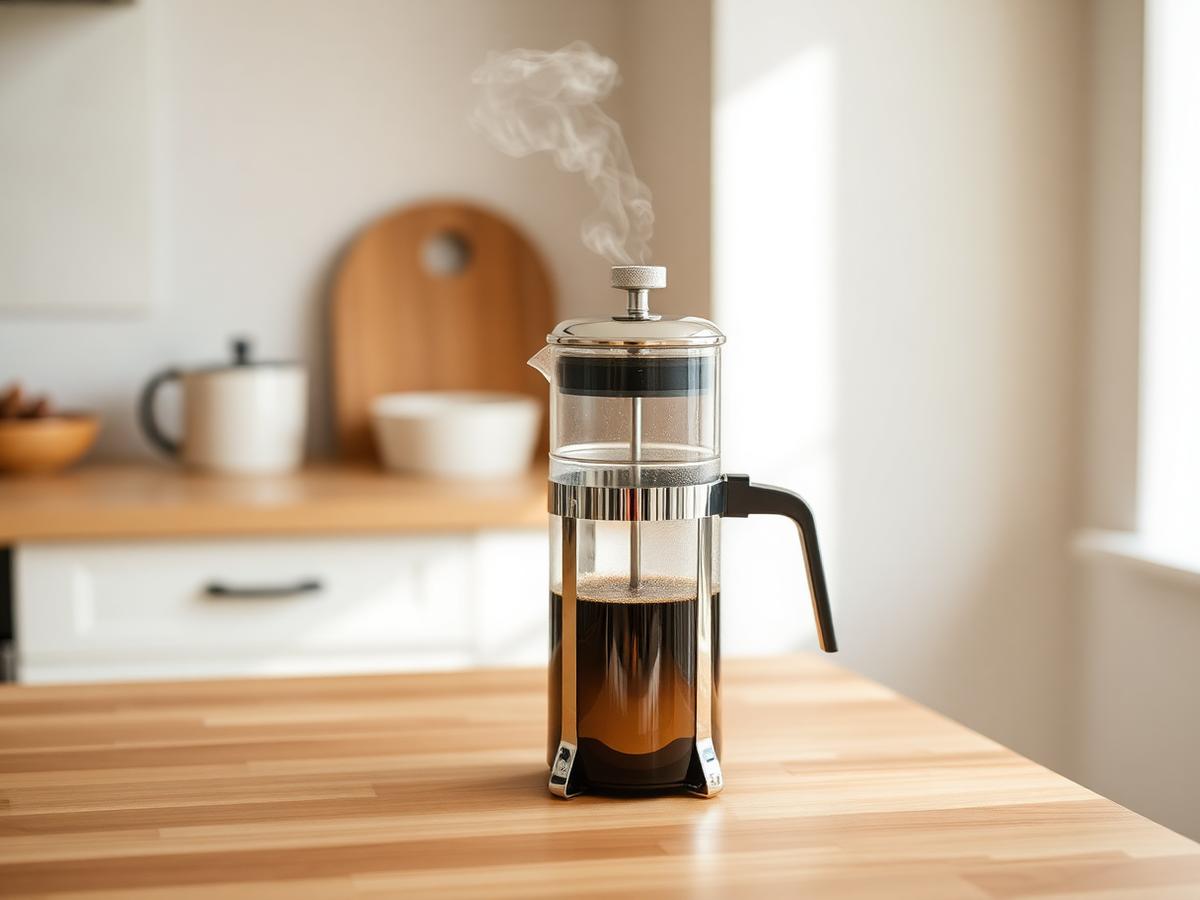
French Press vs AeroPress: Which Should You Buy?
Two icons of home brewing, two very different cups. Here's how to choose.
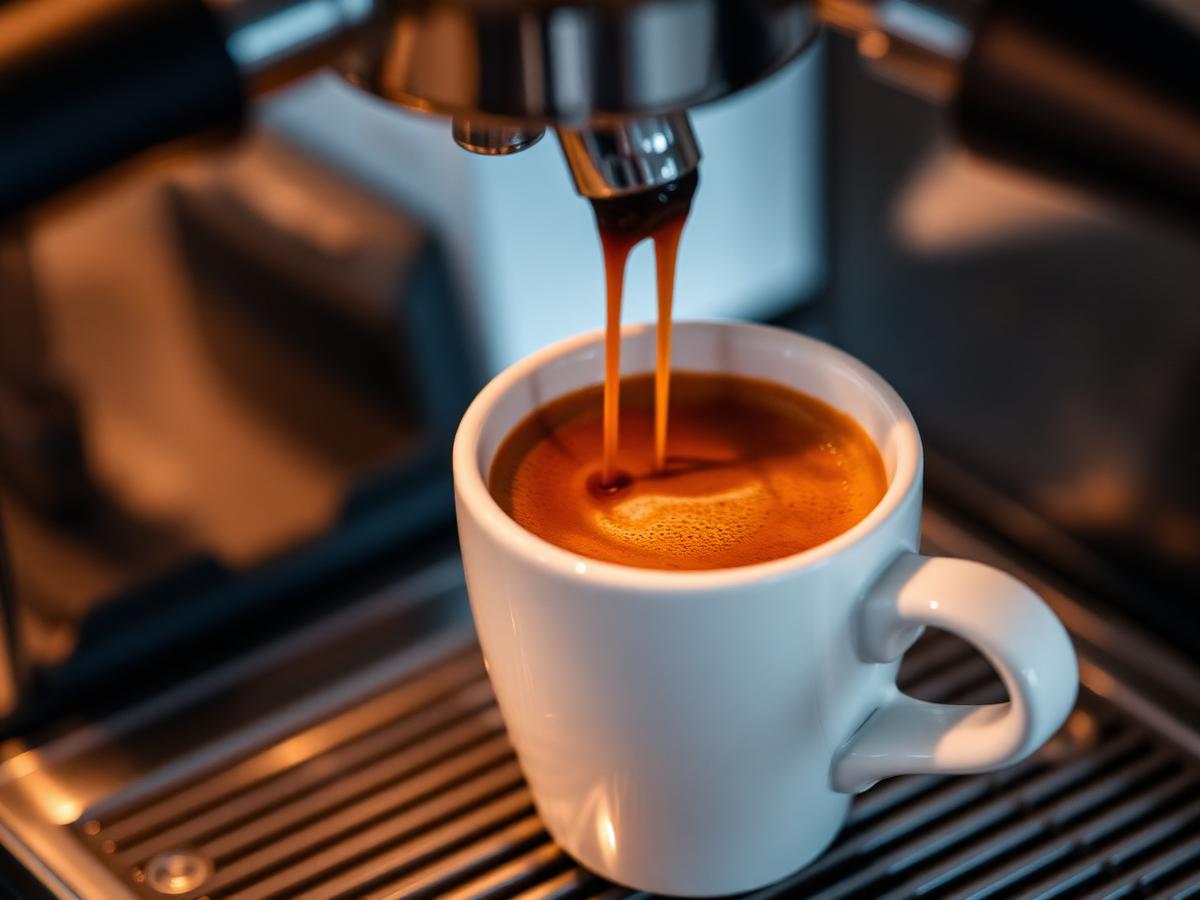
Best Coffee Beans for Espresso in 2026
Six roasters delivering chocolatey, syrupy shots that pull beautifully at home.