Cold Brew Concentrate Ratios: 1:4, 1:8, or 1:12?
Every recipe tells you a different ratio. Here's what each one actually gives you and how to pick.
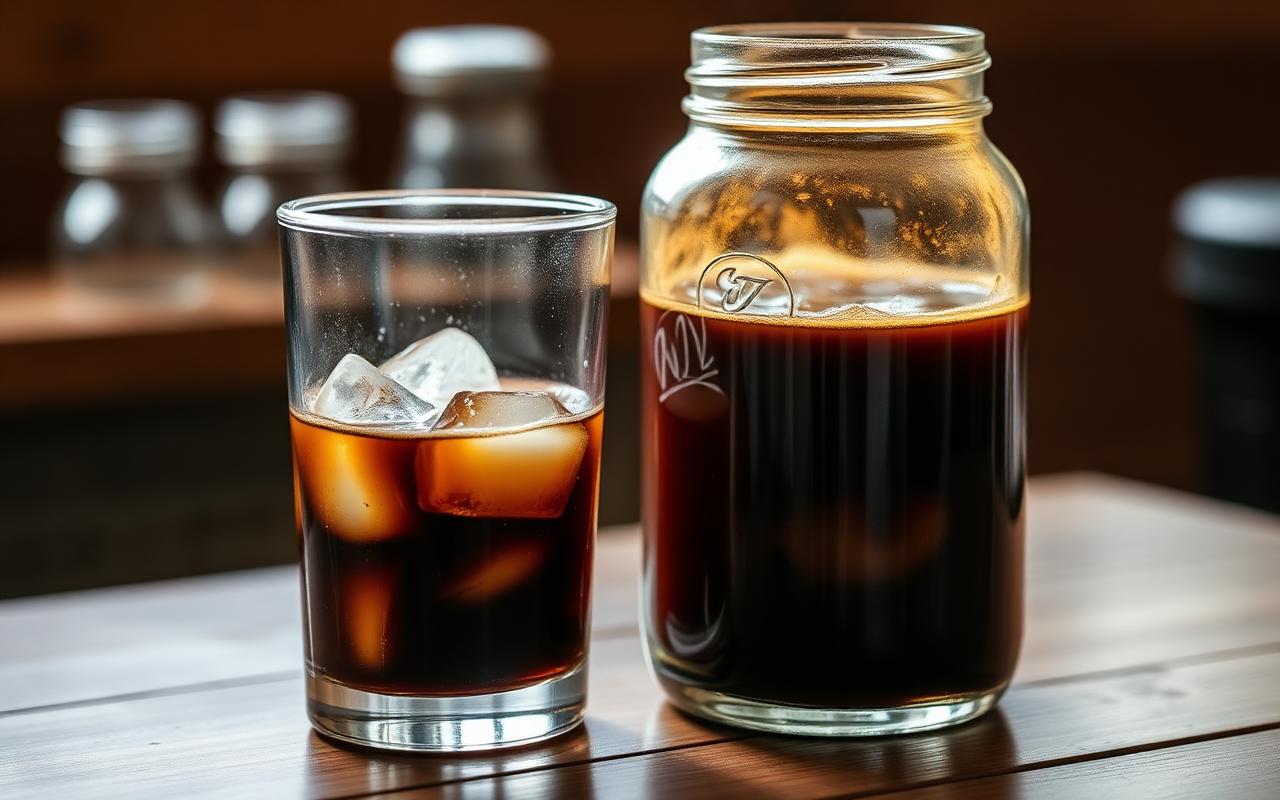
Very thick, syrupy, meant to be diluted 1:1 with water or milk. Great for pre-batching a week's worth of cold brew in a small jar. Extract for 12 hours.
1:8 concentrate
The sweet spot. Rich enough to dilute, drinkable on its own over ice with a splash of milk. This is the recipe I use every summer weekend.
1:12 ready-to-drink
Not concentrate at all — brew and drink. Lower yield, but no measuring required. Perfect for a large batch you'll finish in three days.
Going deeper
Let's go beyond the recipe. Every technique in this guide has a reason behind it — understand the why and you can adapt the how to any bean, any day, any brewer.
Serving beyond the tall glass
Cold brew concentrate is the base for tonic drinks (add citrus and a splash of tonic water), espresso-style shots (undiluted over ice), and cocktails (try a coffee old fashioned). Because it's low in acid, it plays well with almost any mixer that would clash with hot coffee.
Ratio and steep time
Start at 1:8 coffee to water for a concentrate you dilute 1:1 with water or milk. Steep 16 to 20 hours at room temperature, or 24 hours in the fridge. Longer isn't better past 24 hours — you start extracting the same bitter compounds hot brewing gives you, minus the aromatic upside.
Grind size matters more than you think
Cold water extracts slowly and unevenly, so uniform grind size is critical. Aim for coarse — the texture of raw sugar. Fine grinds turn cold brew silty and bitter, and no amount of filtering fully saves it.
Filtering for clarity
After steeping, filter through a fine mesh, then again through a paper filter or a nut milk bag. Two-stage filtration is the difference between a hazy, sedimented cold brew and one that looks like iced tea. Store the concentrate in a sealed jar in the fridge; it keeps for two weeks without losing much.
Common mistakes to avoid
The fastest way to improve is to stop doing the wrong thing. In order of frequency: using stale coffee, skipping the scale, running the water too cool, and changing multiple variables at once. Fix those four and you're brewing better than 90 percent of home setups.
Final thoughts
Coffee at this level rewards attention, not spending. A modest setup used consistently beats an expensive setup used carelessly, every time. Give any technique two weeks of daily practice before deciding whether it works for you — palate takes longer to train than muscle memory.
Home barista, gear nerd, and contributing writer at Brew Coffee Better.
Related articles
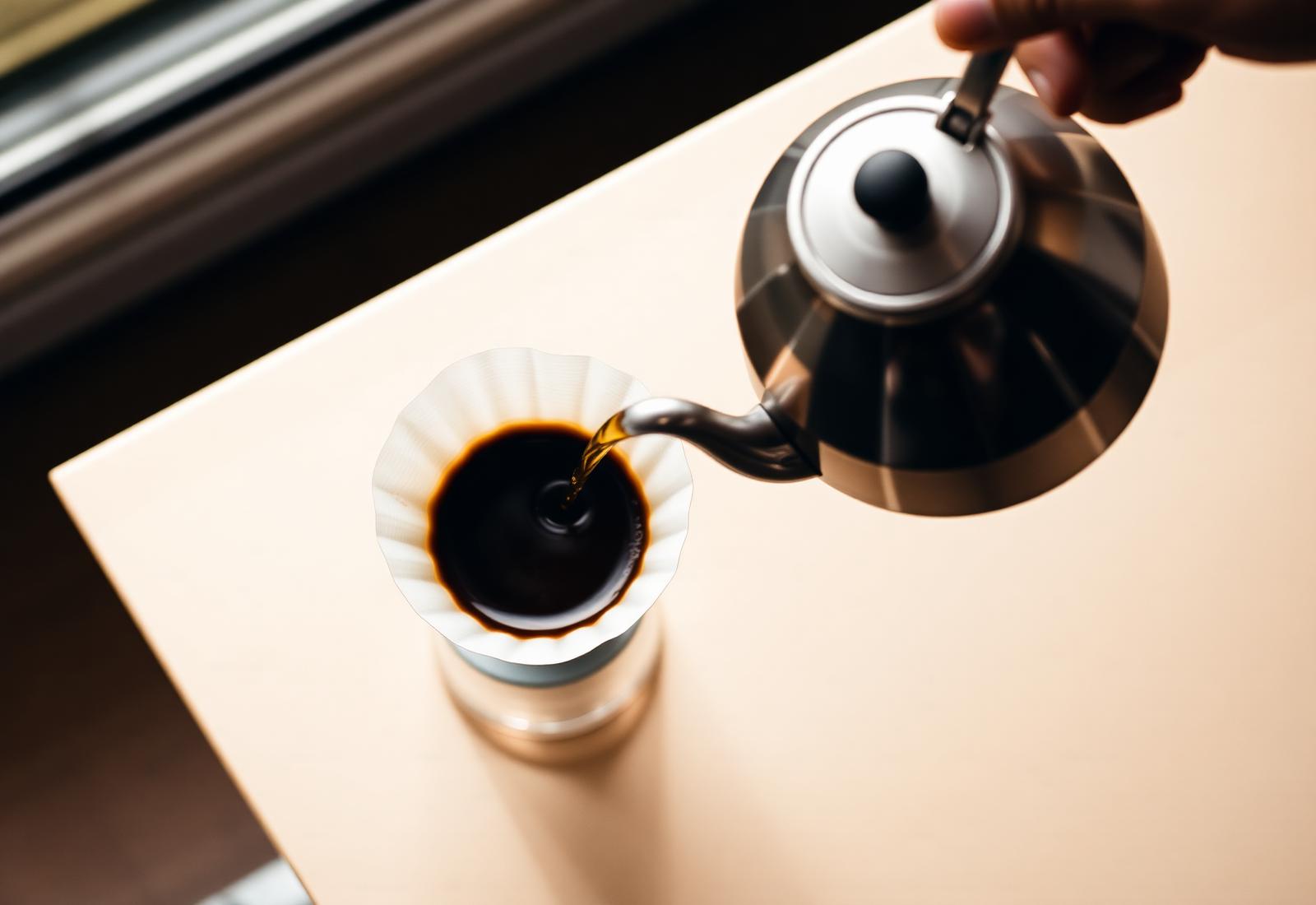
How to Brew the Perfect Pour Over Coffee
A step-by-step guide to nailing a clean, sweet pour over — from bloom to final pour.
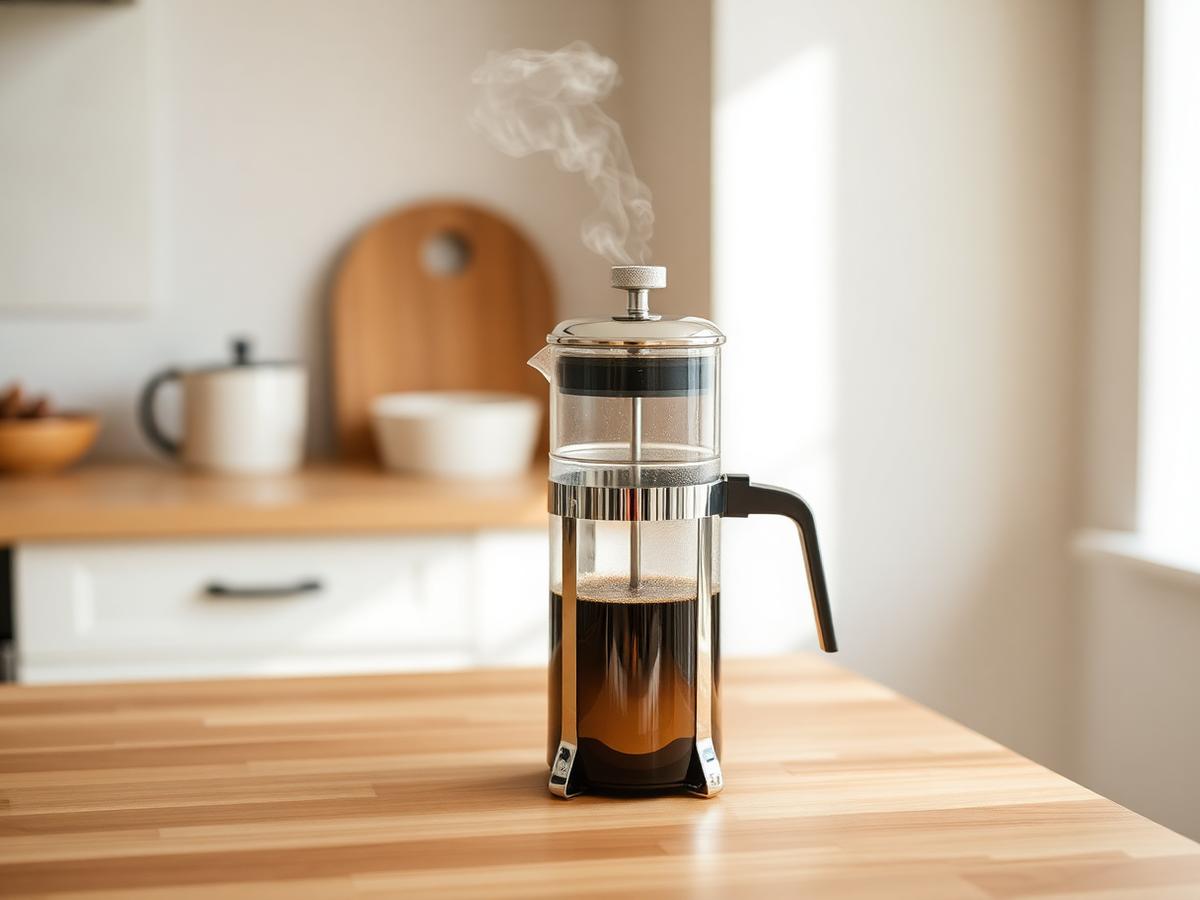
French Press vs AeroPress: Which Should You Buy?
Two icons of home brewing, two very different cups. Here's how to choose.
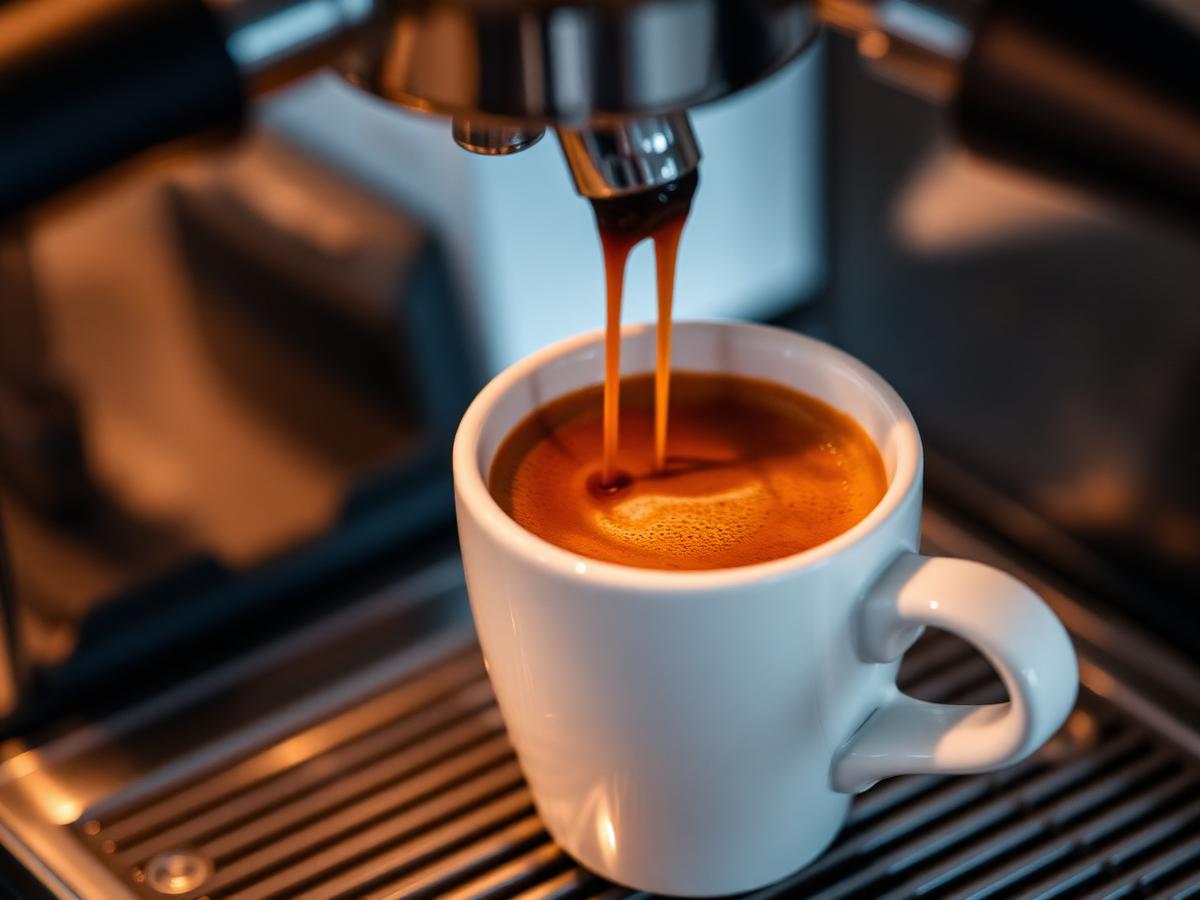
Best Coffee Beans for Espresso in 2026
Six roasters delivering chocolatey, syrupy shots that pull beautifully at home.