The Beginner's Guide to Coffee Brewing
Start here. Everything you need to make great coffee at home, with no jargon.
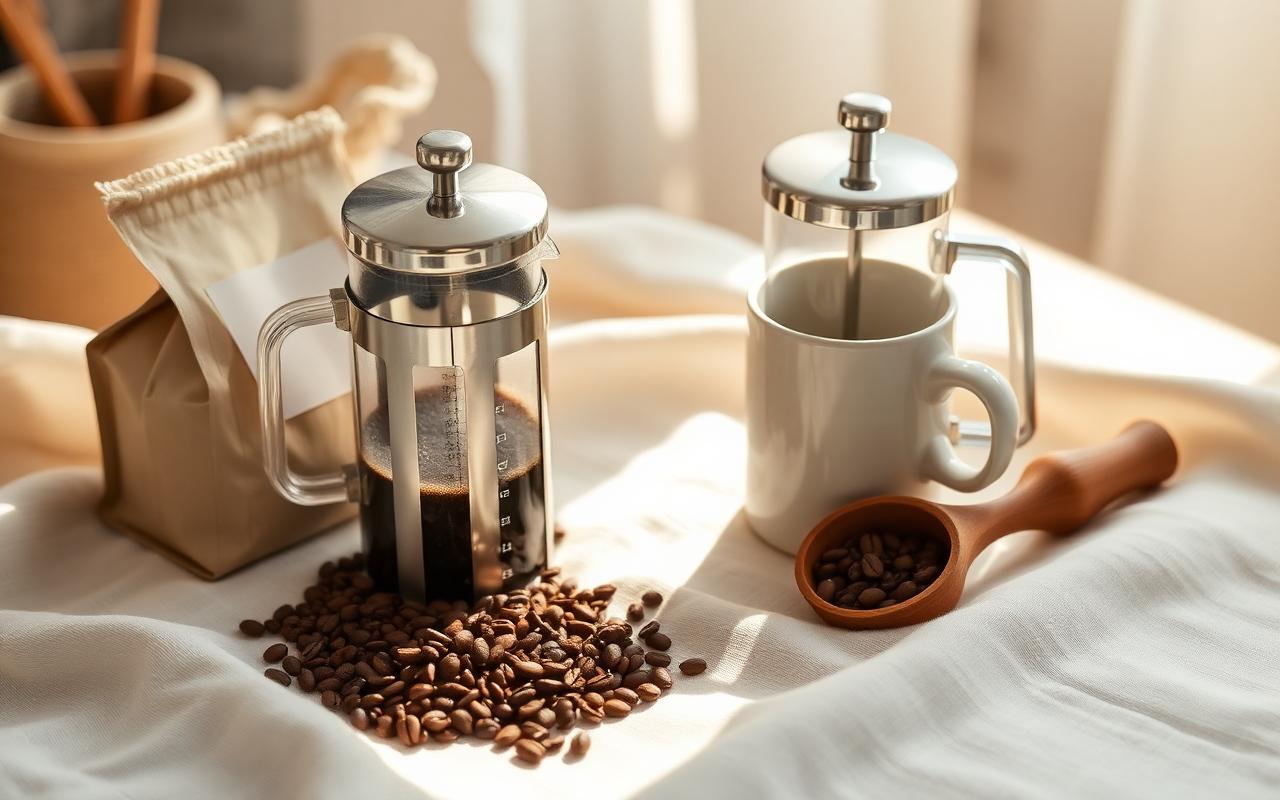
If you've ever wondered why your home coffee doesn't taste like the café around the corner, the answer is almost always the same: small details, done consistently. This guide is the version of that answer I wish I'd had when I started.
The five variables that make or break coffee
Every brewing method — pour over, French press, espresso, cold brew — depends on the same five variables:
- Bean freshness. Coffee is a fresh food. Aim to drink within 4 weeks of the roast date.
- Grind size. Different for every brewer. Consistency matters more than the specific setting.
- Water temperature. 195 to 205°F for most brewers. Below 190 and you get sour, weak coffee.
- Ratio. Coffee to water. 1:16 is a great starting point for filter methods.
- Time. How long grounds and water are in contact. Too short = sour. Too long = bitter.
Dial in those five and almost any brewer will make you a great cup. Ignore them and no gear can save you.
The starter kit
You don't need a $2,000 espresso machine. You need:
- A burr grinder ($65 and up). This is the most important purchase. Skip the blade grinder.
- A gram scale ($15). Weighing beats scooping every time.
- One good brewer. French press for full-body coffee, AeroPress for versatility, Hario V60 for cleaner cups.
- A gooseneck kettle if you go pour over.
- Filtered water. A Brita pitcher works.
Total damage: about $150 for a setup that will make coffee better than most cafés.
Your first great cup
Try the AeroPress standard recipe:
- Boil water. Let it sit 30 seconds.
- Weigh 15 g of coffee. Grind medium-fine.
- Insert the AeroPress on a mug with a rinsed paper filter, inverted method.
- Add coffee, then pour 220 g water. Stir gently. Wait 60 seconds.
- Flip onto the mug and press slowly, 30 seconds down.
Taste. Adjust. Repeat tomorrow.
The mistakes to avoid
- Buying pre-ground coffee. It loses aromatics within 30 minutes.
- Storing beans in the fridge or freezer (open bags). Condensation destroys them.
- Using boiling water on delicate light roasts.
- Trusting the scoop that came with your brewer. Weigh.
- Chasing more gear before you've mastered what you own.
Where to go next
Once your morning cup is consistently good, pick one variable and explore. Try three grind sizes side by side. Try the same bean brewed three ways. Try one new roaster a month. Your palate sharpens through repetition, not reading.
Coffee is a lifetime hobby that pays off from day one. Welcome in.
Going deeper
Most guides stop at the recipe. This one goes further — into the choices behind the numbers, the small adjustments that separate a decent cup from a great one.
Consistency comes from measurement
The single biggest change you can make is buying a scale. Volume measurement (scoops, tablespoons) is wildly inconsistent because coffee density varies with roast and bean. Every serious brew recipe is expressed as a weight ratio for a reason.
Trust your palate
Recipes are starting points. If the cup you make tastes better to you than the one the barista recommends, that's the correct cup. Learn the shorthand — sour means under-extracted, bitter means over-extracted, weak means low ratio — and adjust one variable at a time until the cup lands where you want it.
Small upgrades, big returns
The order of return on investment: scale, burr grinder, filtered water, kettle with temperature control, better beans, better brewer. Most beginners buy in reverse. A $30 hand grinder and a $15 scale will improve your coffee more than any $300 machine ever will.
Freshness rules everything
Grind immediately before brewing — coffee loses 60 percent of its aromatics within 15 minutes of grinding. Store beans in an airtight container away from heat and light. Buy smaller bags more often instead of one big bag that goes stale.
Common mistakes to avoid
The fastest way to improve is to stop doing the wrong thing. In order of frequency: using stale coffee, skipping the scale, running the water too cool, and changing multiple variables at once. Fix those four and you're brewing better than 90 percent of home setups.
Final thoughts
Coffee at this level rewards attention, not spending. A modest setup used consistently beats an expensive setup used carelessly, every time. Give any technique two weeks of daily practice before deciding whether it works for you — palate takes longer to train than muscle memory.
Home barista, gear nerd, and contributing writer at Brew Coffee Better.
Related articles
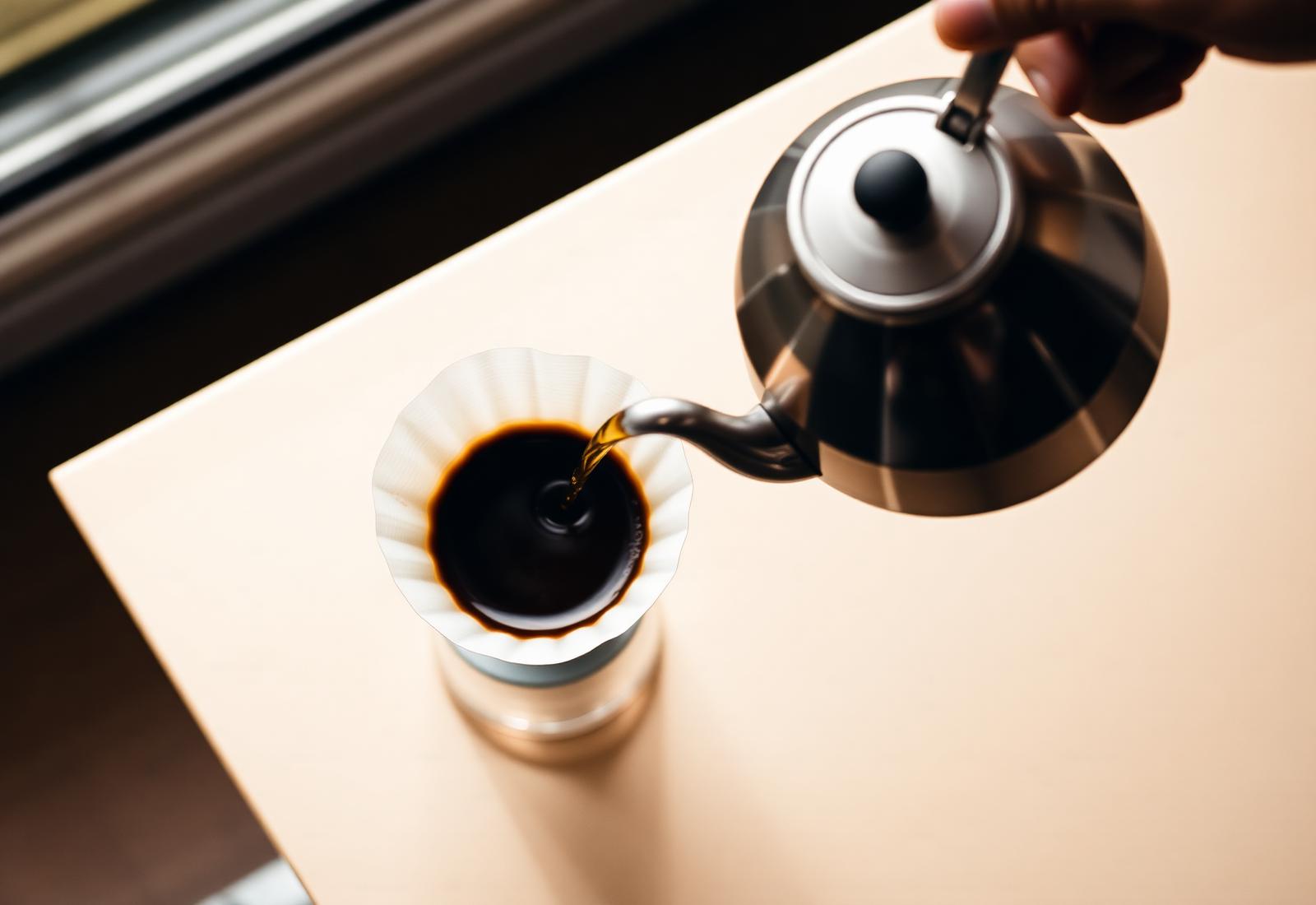
How to Brew the Perfect Pour Over Coffee
A step-by-step guide to nailing a clean, sweet pour over — from bloom to final pour.
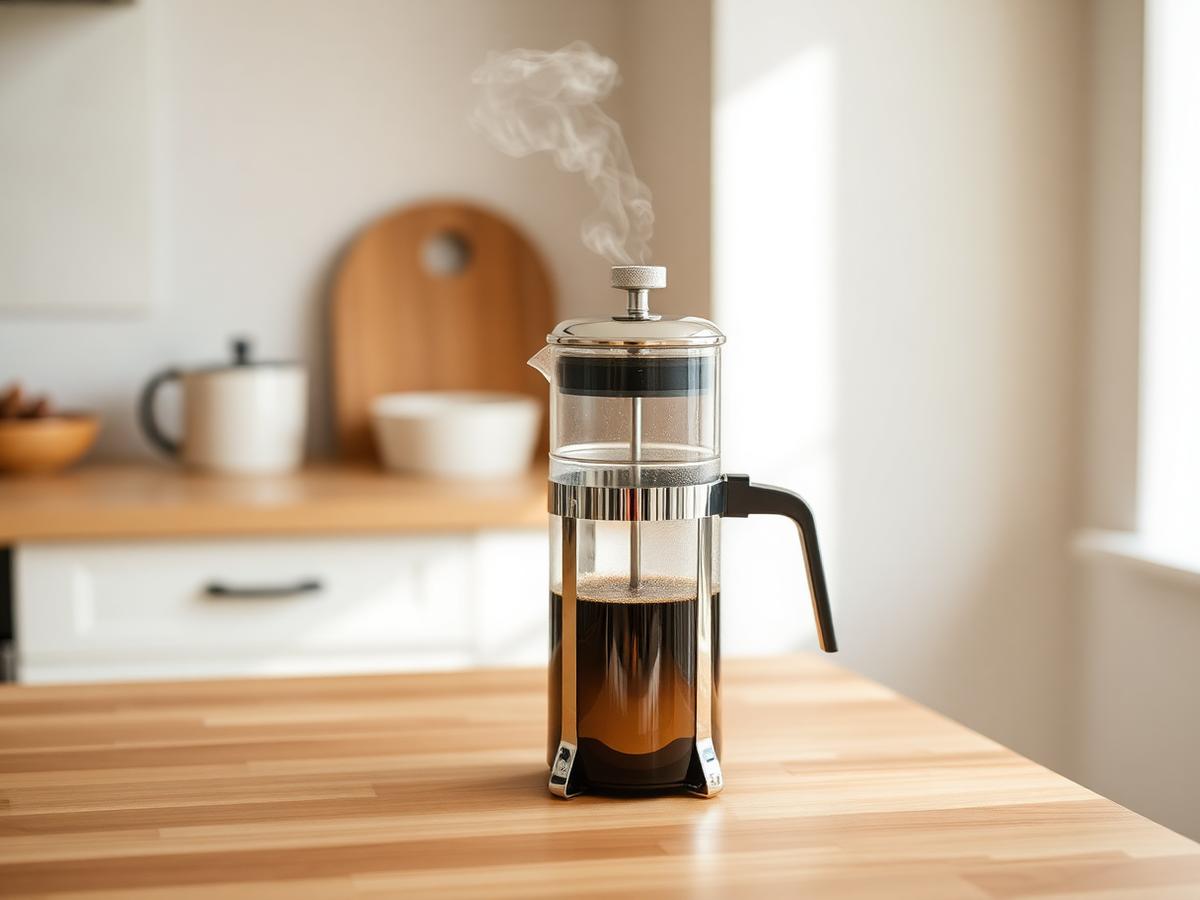
French Press vs AeroPress: Which Should You Buy?
Two icons of home brewing, two very different cups. Here's how to choose.
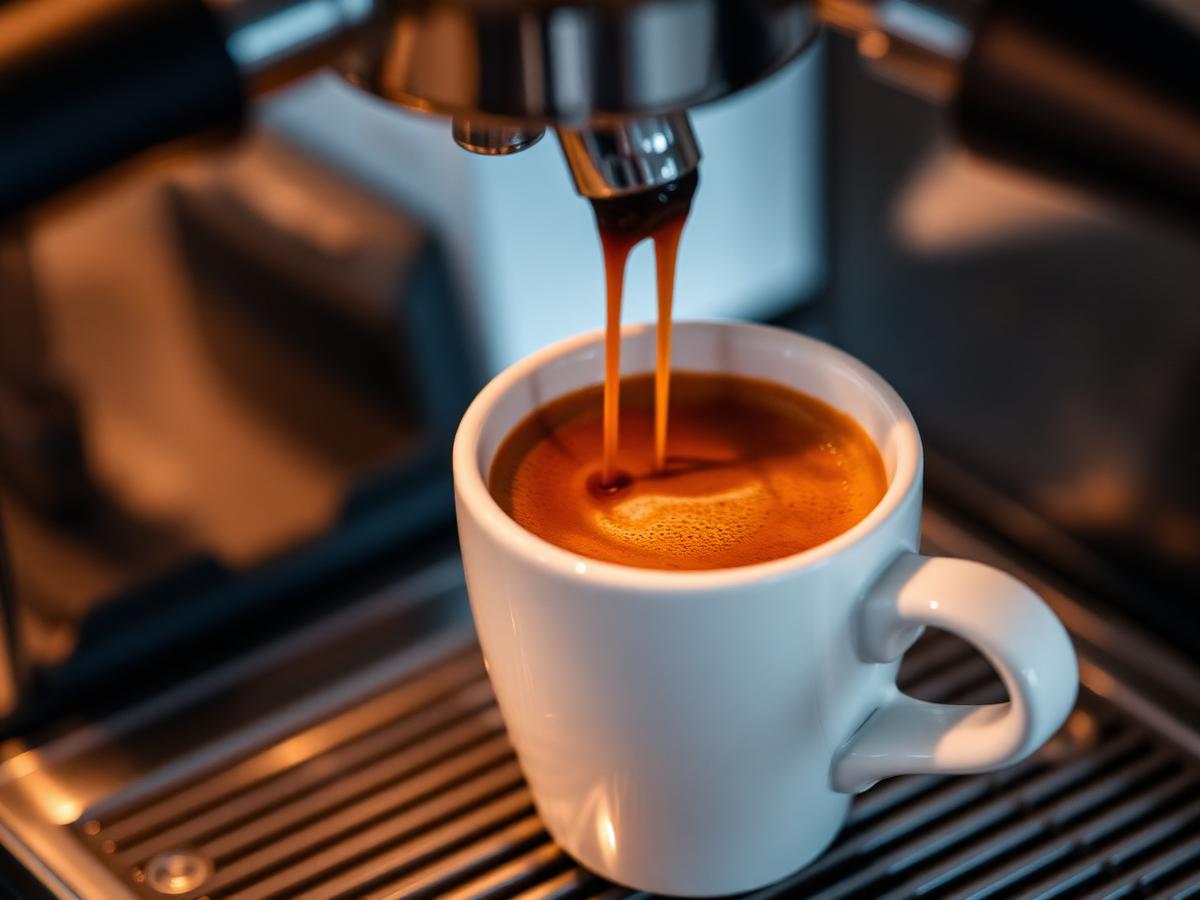
Best Coffee Beans for Espresso in 2026
Six roasters delivering chocolatey, syrupy shots that pull beautifully at home.