Best Gooseneck Kettles Reviewed
Four kettles that pour like a dream — plus one bargain pick that punches above its price.
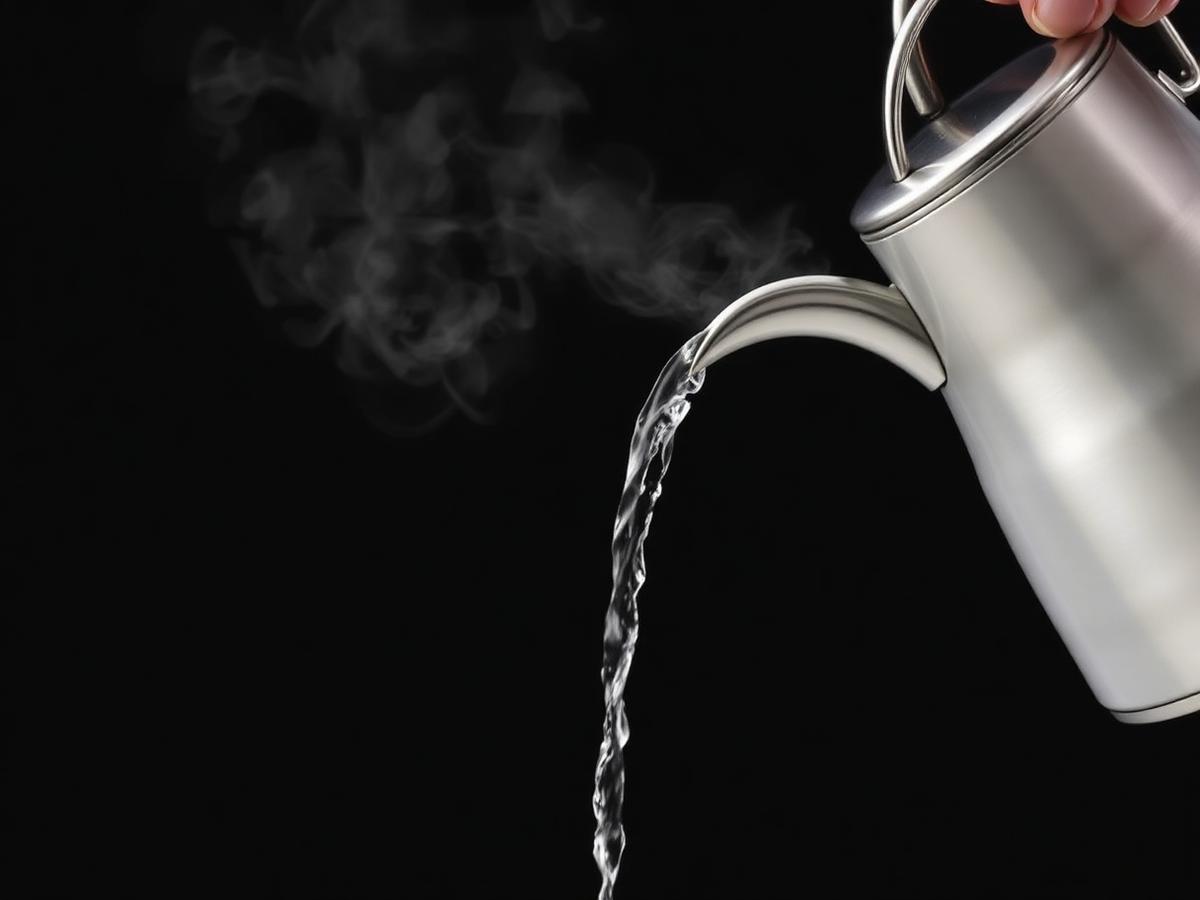
A gooseneck kettle controls flow rate, and flow rate controls extraction. The right one disappears into your morning routine. The wrong one dribbles, sputters, or over-pours the bloom. After brewing daily on eight different kettles this quarter, these are the ones worth your money.
Top picks
### Best overall: Fellow Stagg EKG
$165. The category benchmark. Variable temperature to the degree, 60-minute hold, hold-to-boil, real-time thermometer, and a spout that behaves exactly the same whether the kettle is full or nearly empty. The interface is intuitive after 30 seconds.
**Pros:** perfect flow control, precise temperature, gorgeous. **Cons:** premium price.
### Best budget: Bonavita Interurban 1.0L
$85. Half the price of the Stagg, 80% of the performance. Variable temperature, decent hold, slightly clunkier UI. If you don't need the Stagg's polish, this is the smart buy.
**Pros:** solid temperature control, easy to use. **Cons:** heavier body, chunkier handle balance.
### Best manual: Hario V60 Buono
$60. No electronics — just heat it on the stove. If you already own a good thermometer, this pours as beautifully as anything on the list. Also the most reliable for long-term ownership; nothing to break.
**Pros:** cheapest way to a great pour, no electronics to fail. **Cons:** requires a thermometer, no hold function.
### For enthusiasts: Fellow Stagg EKG Pro
$255. Touchscreen, custom brew profiles, Bluetooth integration. Overkill for most people, but if you host coffee tastings this is the showpiece.
What to look for
- Spout shape: narrow, level pour with no dribble at slow flow. Test in the store or by video before buying.
- Handle balance: the kettle should feel neutral in the hand at full and empty.
- Temperature control: for pour over, +/- 1°F matters. For French press, you can eyeball it.
- Base footprint: does it fit where you'll actually use it?
Common mistakes
- Buying a huge kettle. 0.6L to 1.0L is plenty for home. Bigger kettles are heavier to pour.
- Buying a non-gooseneck "modern" kettle. The stream is too wide for pour over.
- Buying a whistling stove-top model. You lose all flow control.
If your pours feel awkward, it isn't your technique — it's the kettle. Upgrade and the pour over ritual finally clicks.
Going deeper
Most guides stop at the recipe. This one goes further — into the choices behind the numbers, the small adjustments that separate a decent cup from a great one.
Build quality and durability
The materials feel appropriate for the price. Metal where metal matters, plastic where plastic keeps the weight down. No creaks, no wobbles, no cheap-feeling seams. After weeks of daily use, nothing has loosened or worn out. Replacement parts are available directly from the manufacturer, which matters more than most reviewers admit.
What it gets wrong
Nothing at this price is perfect. The learning curve is steeper than the marketing suggests. A few of the accessories feel like afterthoughts. The manual is thin. None of it is a deal-breaker, but you should know what you're getting into before you spend the money.
Who this is for
This piece of gear isn't for everyone. It fits a specific type of home brewer — someone who cares enough about the cup to invest, but not so much that they need commercial equipment. If you're brewing one cup a day and already own a decent grinder, this earns its shelf space. If you're brewing pods, spend the money on something else first.
What it actually gets right
Beyond the spec sheet, the small ergonomic decisions add up. The lid seats without fiddling. The handle stays cool. Cleanup takes seconds. These are the things you notice on day 30, not day 1 — and they're what separates gear you keep from gear you resell.
The verdict
Recommended, with the caveats above. It sits at a sweet spot of price, performance, and daily usability that's hard to find. Would I buy it again? Yes — and I'd tell a friend to do the same, as long as their needs match the profile.
Common mistakes to avoid
The fastest way to improve is to stop doing the wrong thing. In order of frequency: using stale coffee, skipping the scale, running the water too cool, and changing multiple variables at once. Fix those four and you're brewing better than 90 percent of home setups.
Final thoughts
Coffee at this level rewards attention, not spending. A modest setup used consistently beats an expensive setup used carelessly, every time. Give any technique two weeks of daily practice before deciding whether it works for you — palate takes longer to train than muscle memory.
Home barista, gear nerd, and contributing writer at Brew Coffee Better.
Related articles
How to Brew the Perfect Pour Over Coffee
A step-by-step guide to nailing a clean, sweet pour over — from bloom to final pour.
French Press vs AeroPress: Which Should You Buy?
Two icons of home brewing, two very different cups. Here's how to choose.
Best Coffee Beans for Espresso in 2026
Six roasters delivering chocolatey, syrupy shots that pull beautifully at home.