Commercial vs Home Brewers: What Cafes Do Differently
Your favorite cafe uses different gear than you do. Here's what's worth adopting at home and what isn't.
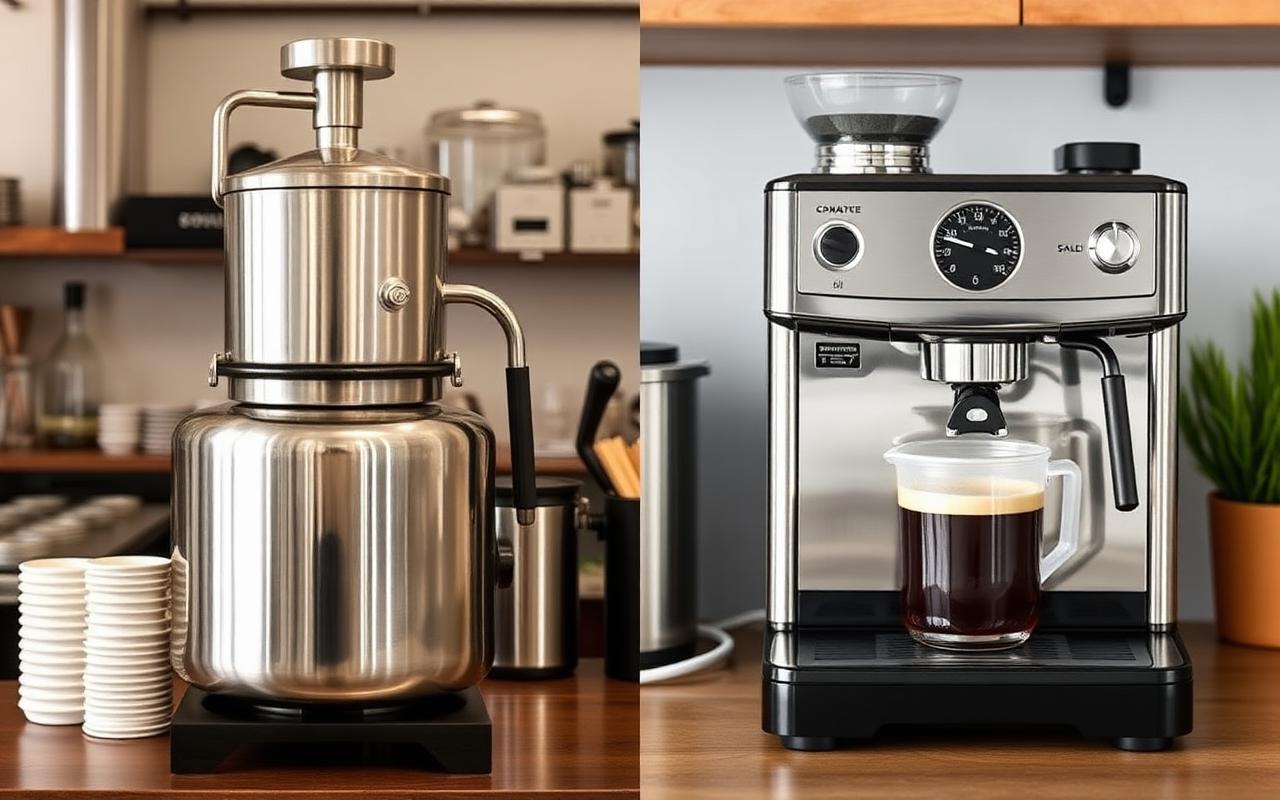
A Marco Über batch brewer, a dedicated grinder for filter, water filtration, temperature-stable espresso machines, and 4 baristas making sure it all runs. That's $30k of equipment.
What you can steal
Precise temperature (buy an EKG kettle), fresh beans (buy small bags weekly), a burr grinder, and filtered water. Those four things close 80% of the gap.
What you can't
Batch consistency across 200 cups a day. But you only need one great cup at a time. Home coffee has a lower ceiling and a higher floor.
Going deeper
Most guides stop at the recipe. This one goes further — into the choices behind the numbers, the small adjustments that separate a decent cup from a great one.
Matching the maker to your life
Live alone and drink one cup? An AeroPress or single-cup pour over is perfect. Family that wakes up over an hour? A programmable drip with a thermal carafe. Serious espresso hobbyist? A dual-boiler with a PID. Don't buy the machine you wish you were — buy the one that fits your actual mornings.
What to look for in a drip machine
Water temperature between 195 and 205 F throughout the brew — most cheap machines never get hot enough. A shower head that saturates the entire bed evenly (not a single stream that channels through the middle). A thermal carafe, not a hotplate that scorches the coffee over time. SCA certification is a reliable shortcut.
Manual versus automatic
Manual brewers (pour over, French press, AeroPress) give you full control over every variable and produce a better cup when you're paying attention. Automatic drip machines trade some cup quality for the ability to press one button before you're awake. The best automatics (Technivorm Moccamaster, Ratio Six, Breville Precision Brewer) close the gap significantly.
Maintenance schedule
Descale every month if you're on hard water, every three months on soft. Wipe the shower head and clean the group weekly on espresso machines. Backflush espresso machines with cleaner once a week. Neglected machines don't just taste bad — they eventually break.
Common mistakes to avoid
The fastest way to improve is to stop doing the wrong thing. In order of frequency: using stale coffee, skipping the scale, running the water too cool, and changing multiple variables at once. Fix those four and you're brewing better than 90 percent of home setups.
Final thoughts
Coffee at this level rewards attention, not spending. A modest setup used consistently beats an expensive setup used carelessly, every time. Give any technique two weeks of daily practice before deciding whether it works for you — palate takes longer to train than muscle memory.
Home barista, gear nerd, and contributing writer at Brew Coffee Better.
Related articles
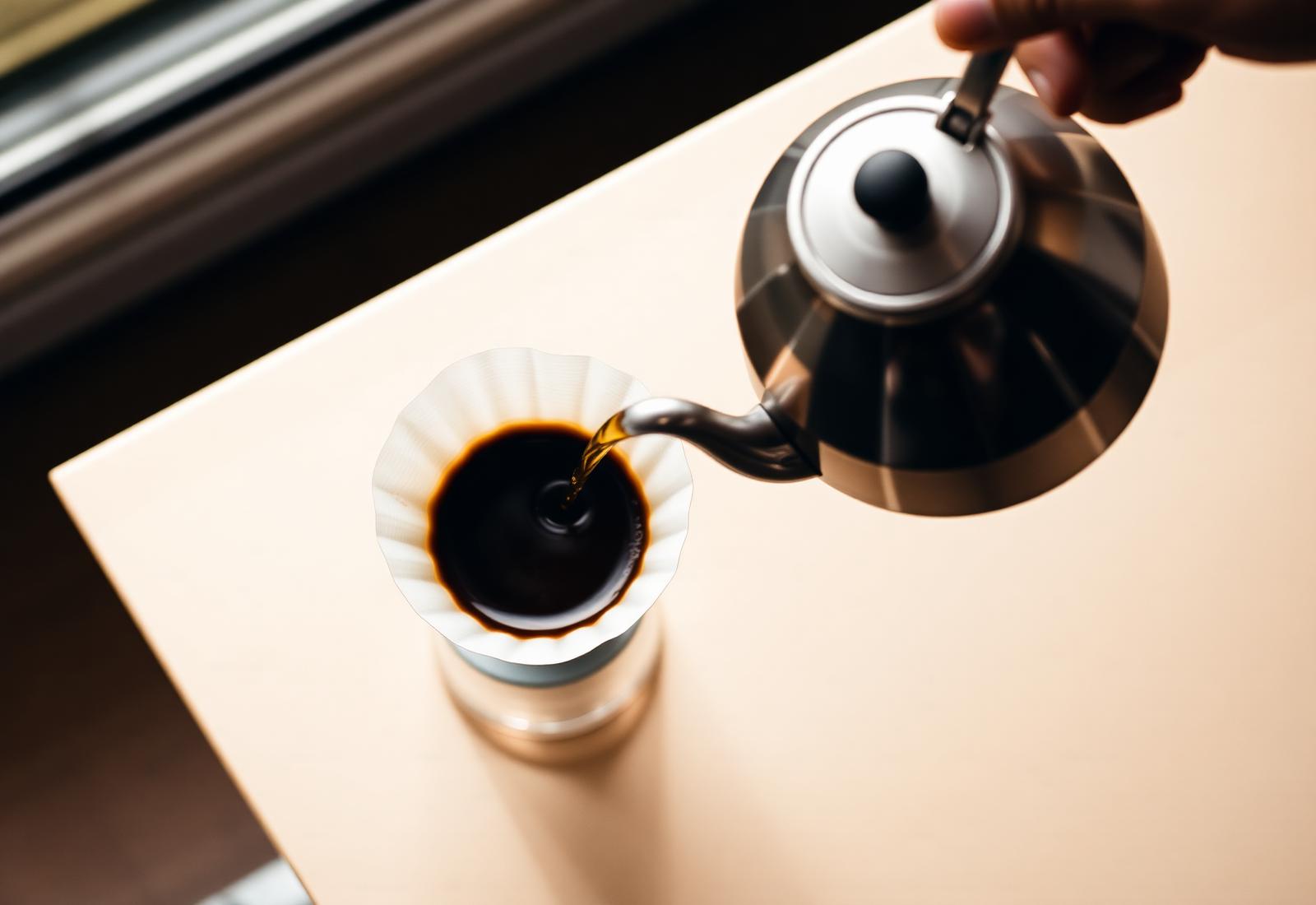
How to Brew the Perfect Pour Over Coffee
A step-by-step guide to nailing a clean, sweet pour over — from bloom to final pour.
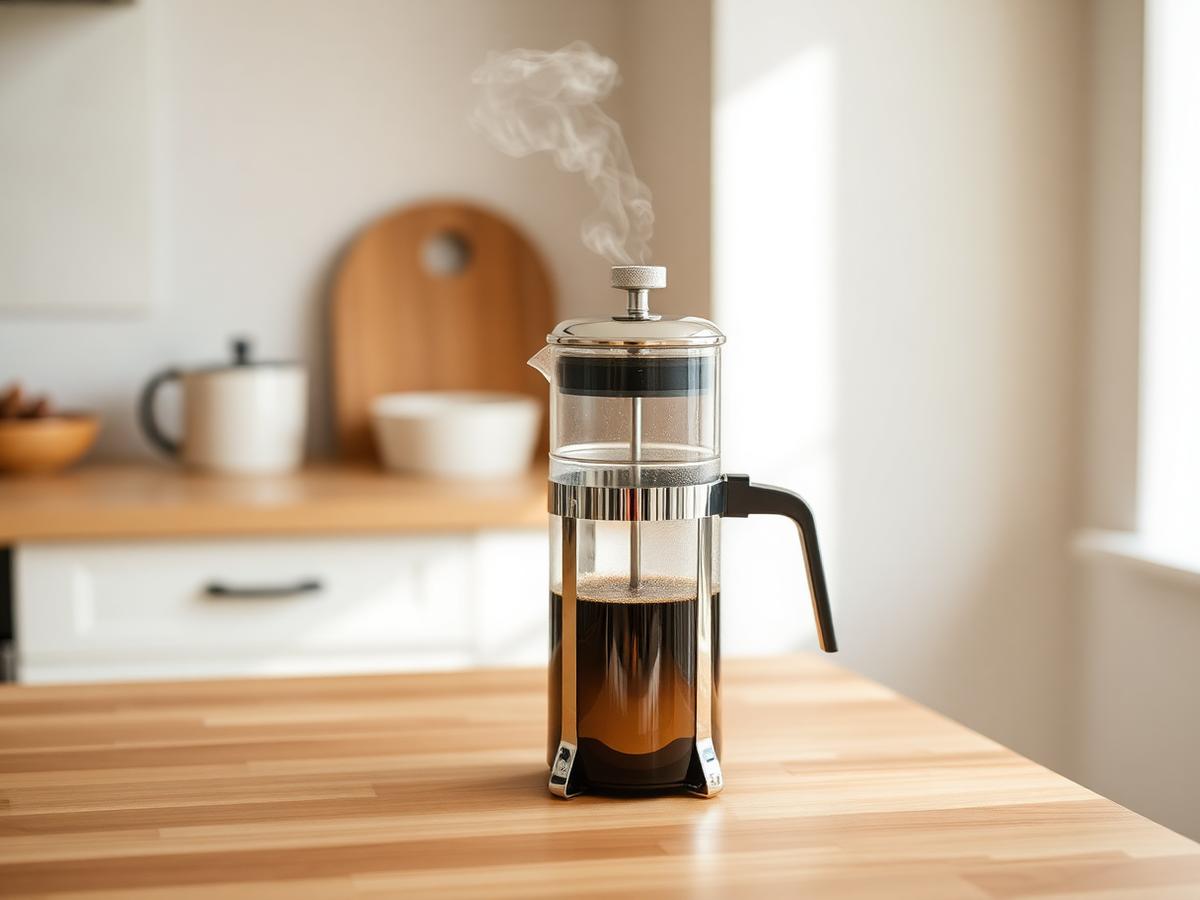
French Press vs AeroPress: Which Should You Buy?
Two icons of home brewing, two very different cups. Here's how to choose.
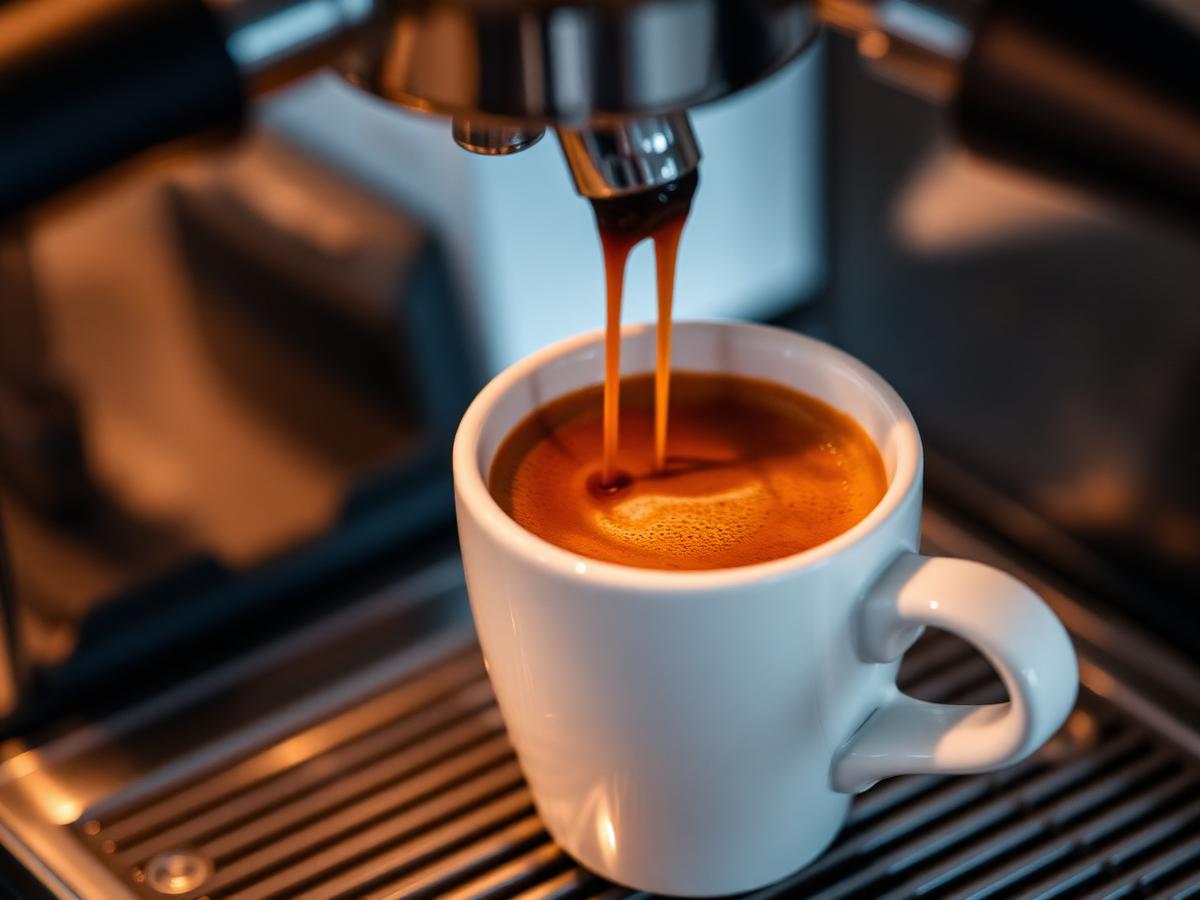
Best Coffee Beans for Espresso in 2026
Six roasters delivering chocolatey, syrupy shots that pull beautifully at home.