How to Store Coffee Beans (The Right Way)
The fridge is not the answer. Here's the storage setup that actually preserves flavor.
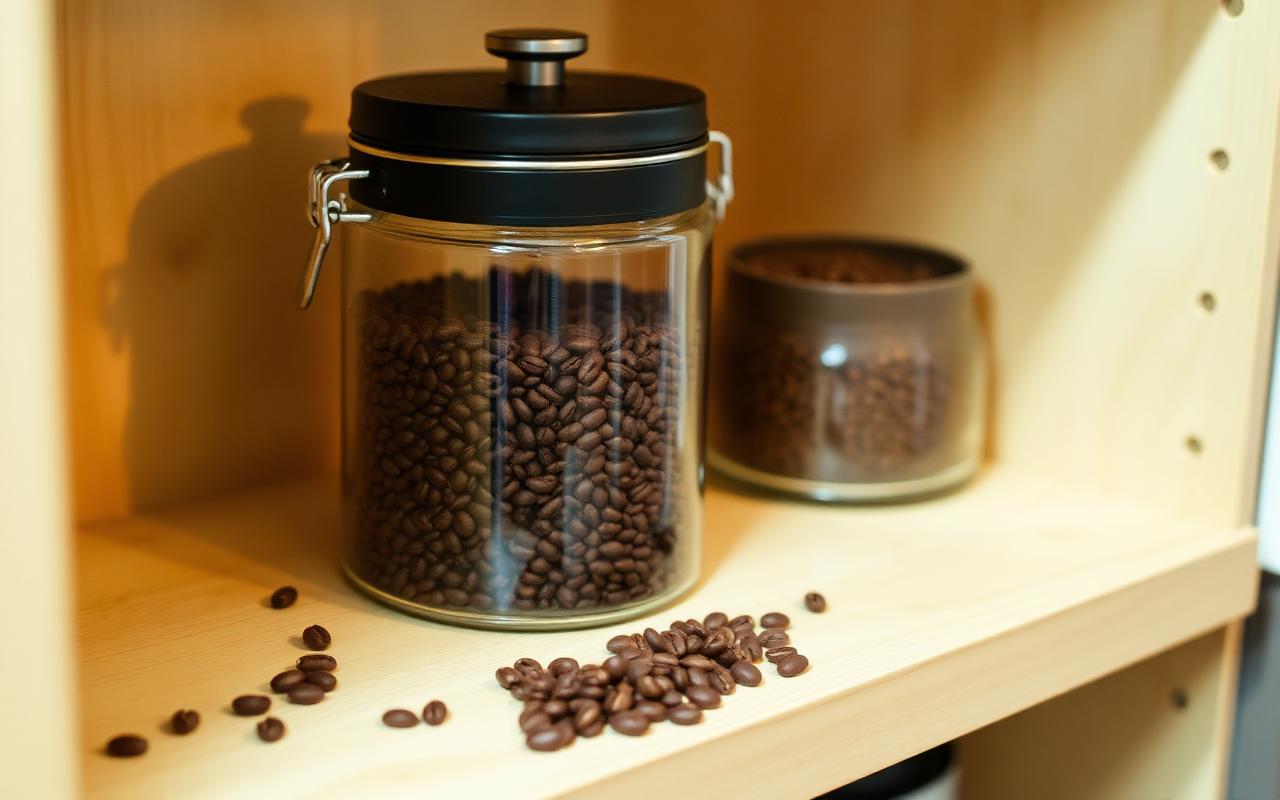
Air, moisture, heat, and light. All four accelerate staling. Any storage that blocks them will work.
The setup
An opaque, airtight canister with a one-way valve. Kept on the counter, away from the stove. Airscape, Fellow Atmos, and cheap OXO valves all work.
Freezer strategy
Only freeze whole beans in vacuum-sealed portions you'll use in one go. Never re-freeze. For daily use, buy a smaller bag more often — freshness beats bulk.
Going deeper
Let's go beyond the recipe. Every technique in this guide has a reason behind it — understand the why and you can adapt the how to any bean, any day, any brewer.
Roast date beats roast level
A bag with no roast date isn't fresh — full stop. Coffee peaks between 7 and 21 days off roast. Before day 7, it's still degassing and tastes flat and gassy. After 30 days, aromatics fade and the cup goes stale. Buy 12-ounce bags you'll finish inside three weeks.
Storage that actually works
Airtight, opaque, room temperature. That's it. Do not freeze your daily beans — condensation is worse than air exposure. If you're storing long-term (over a month), portion into single-brew bags, vacuum seal, and freeze whole. Thaw the whole bag before opening to avoid moisture.
Origin, process, and what they mean
Origin tells you where the coffee grew — country, region, and often the specific farm. Process is how the fruit was removed from the seed: washed (clean, bright), natural (fruity, wine-like), honey (somewhere in between). Both matter more than roast level in shaping what you taste.
Blends versus single origins
Single origins showcase a specific place and process — great for exploration. Blends are engineered for consistency and a target flavor profile, usually across the year as crops change. Neither is better; they just serve different jobs. For espresso especially, a good blend often outperforms a single origin because it can carry milk more forgivingly.
Common mistakes to avoid
The fastest way to improve is to stop doing the wrong thing. In order of frequency: using stale coffee, skipping the scale, running the water too cool, and changing multiple variables at once. Fix those four and you're brewing better than 90 percent of home setups.
Final thoughts
Coffee at this level rewards attention, not spending. A modest setup used consistently beats an expensive setup used carelessly, every time. Give any technique two weeks of daily practice before deciding whether it works for you — palate takes longer to train than muscle memory.
Home barista, gear nerd, and contributing writer at Brew Coffee Better.
Related articles
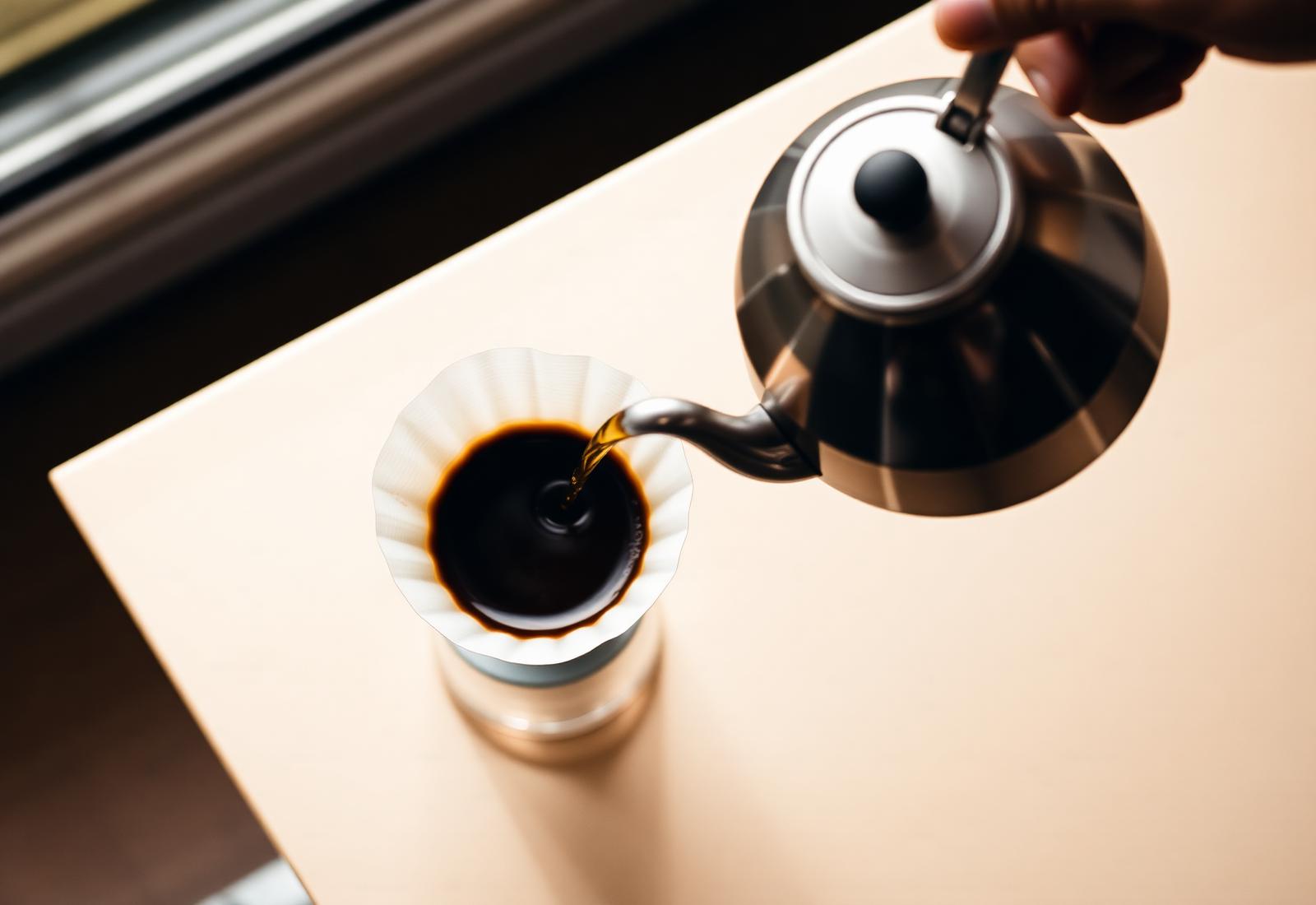
How to Brew the Perfect Pour Over Coffee
A step-by-step guide to nailing a clean, sweet pour over — from bloom to final pour.
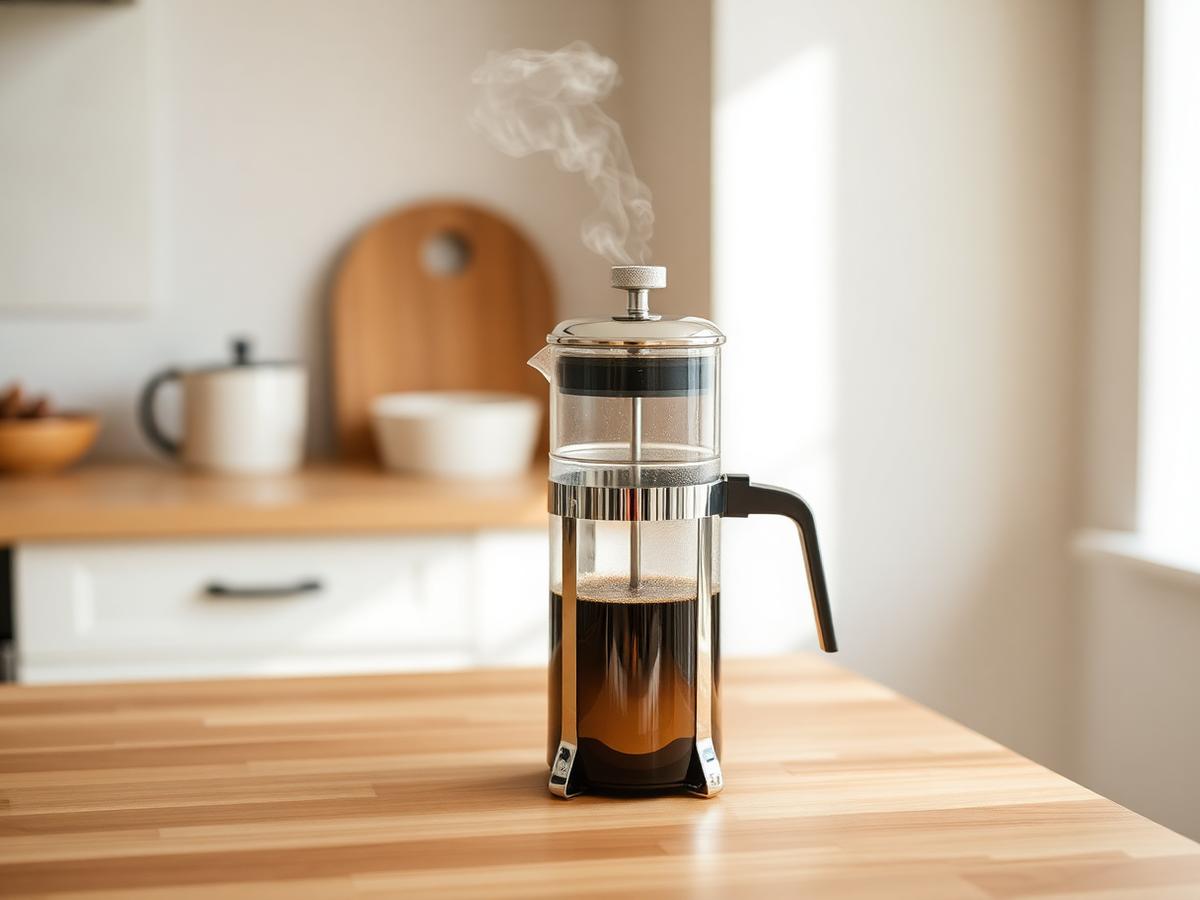
French Press vs AeroPress: Which Should You Buy?
Two icons of home brewing, two very different cups. Here's how to choose.
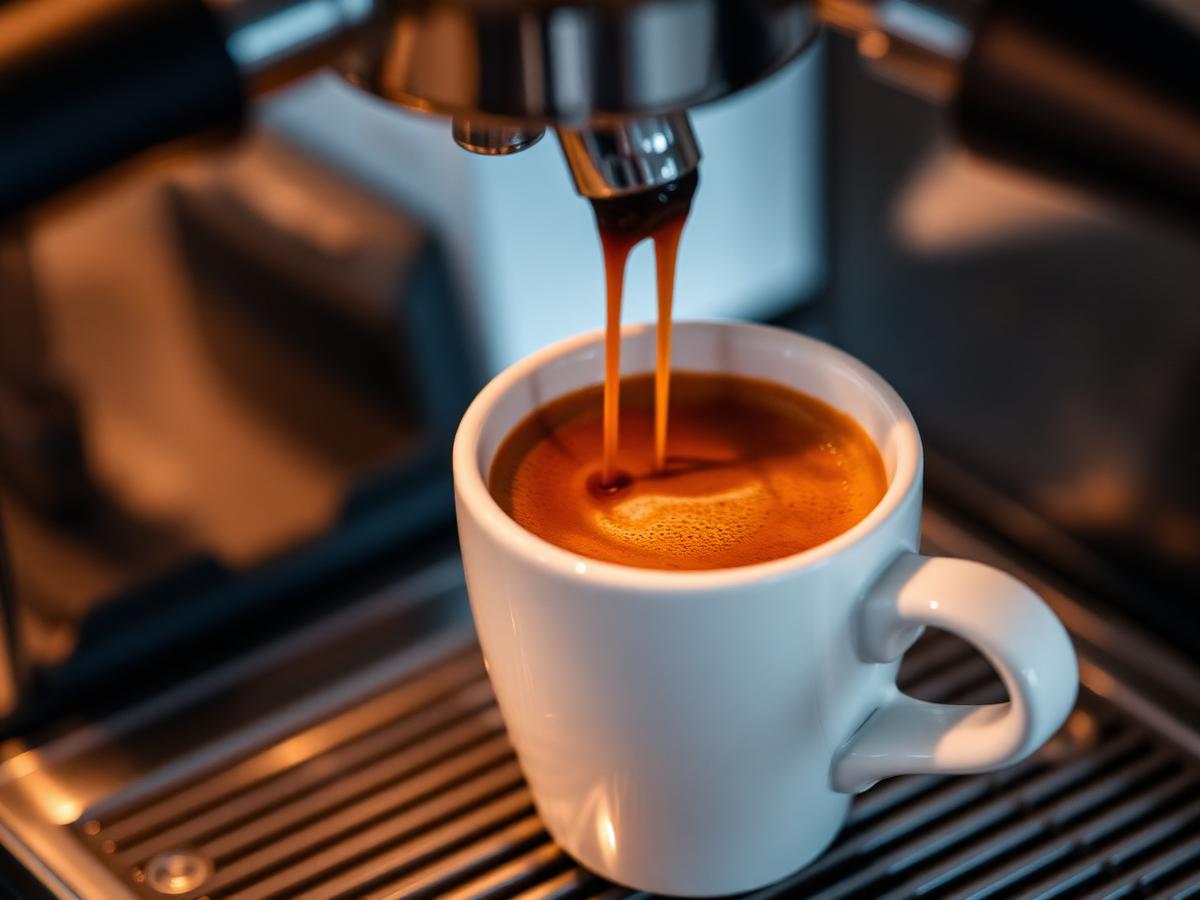
Best Coffee Beans for Espresso in 2026
Six roasters delivering chocolatey, syrupy shots that pull beautifully at home.